Lunch Recipes
Discover delicious lunch recipes
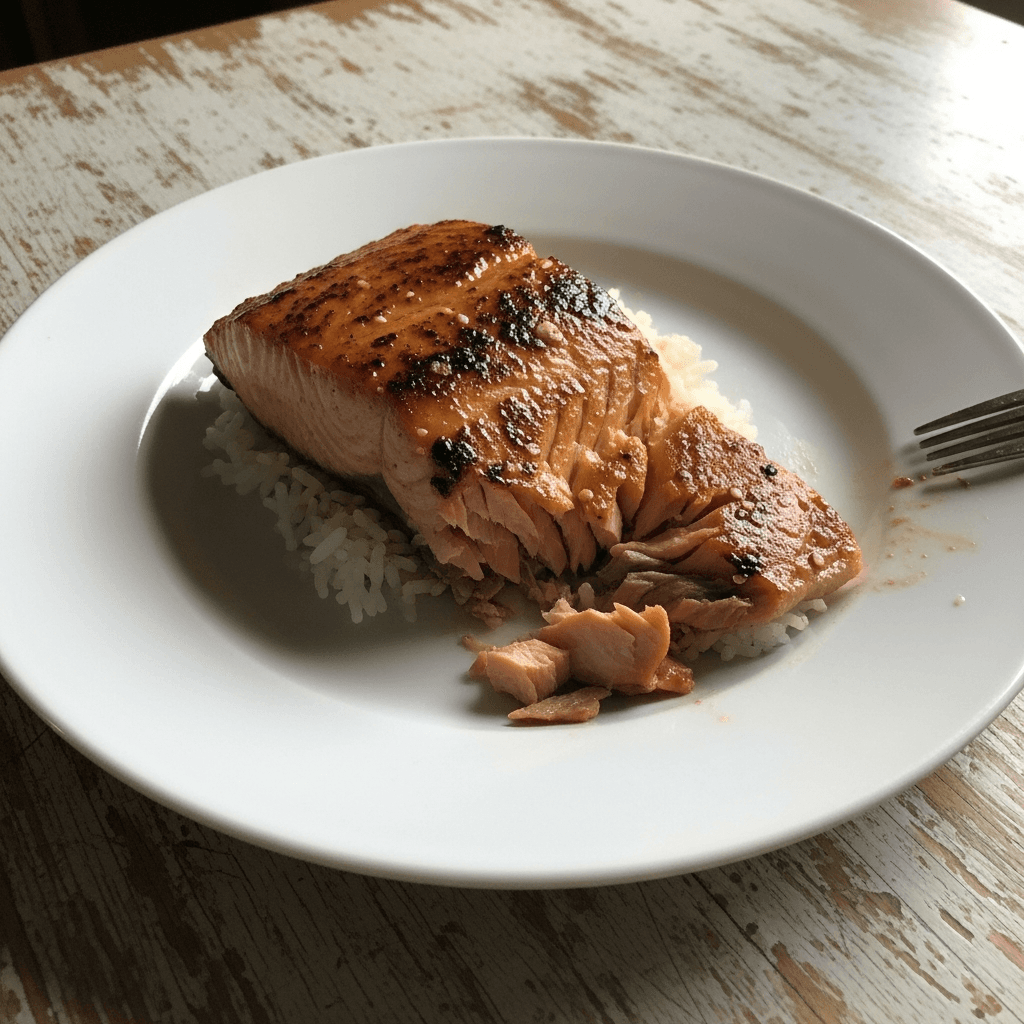
Savory Miso Glazed Salmon
When I first learned this miso glaze, it was a simple weekday lunch my mother served after a morning market visit. The market smelled of fresh fish and warm rice, and she would hum softly as she mixed miso with mirin. This particular glaze brings that quiet memory to life. It is both humble and joyful, perfect for a midday meal that steadies the spirit. The flavor lives in umami made gentle and bright. White miso gives sweetness and depth, mirin and sake add a soft lift, and a little sugar helps the glaze caramelize when it meets the heat. Balance is the heart of washoku, so we let the saltiness of the miso sing without overwhelming the natural richness of the salmon. This dish honors seasonality. In spring and autumn I choose smaller, delicate fillets. In winter I welcome fattier cuts for their warmth. No matter the season, seek fresh fish with clear eyes and firm flesh. Respect the ingredient by handling it simply and patiently. As you cook, slow your breath. Prepare the glaze with attention, marinate gently, and watch the glaze change color as it cooks. The act of making lunch can be a small meditation. When you sit to eat, notice texture, aroma, and the harmony on your plate. This is more than food. It is gratitude.
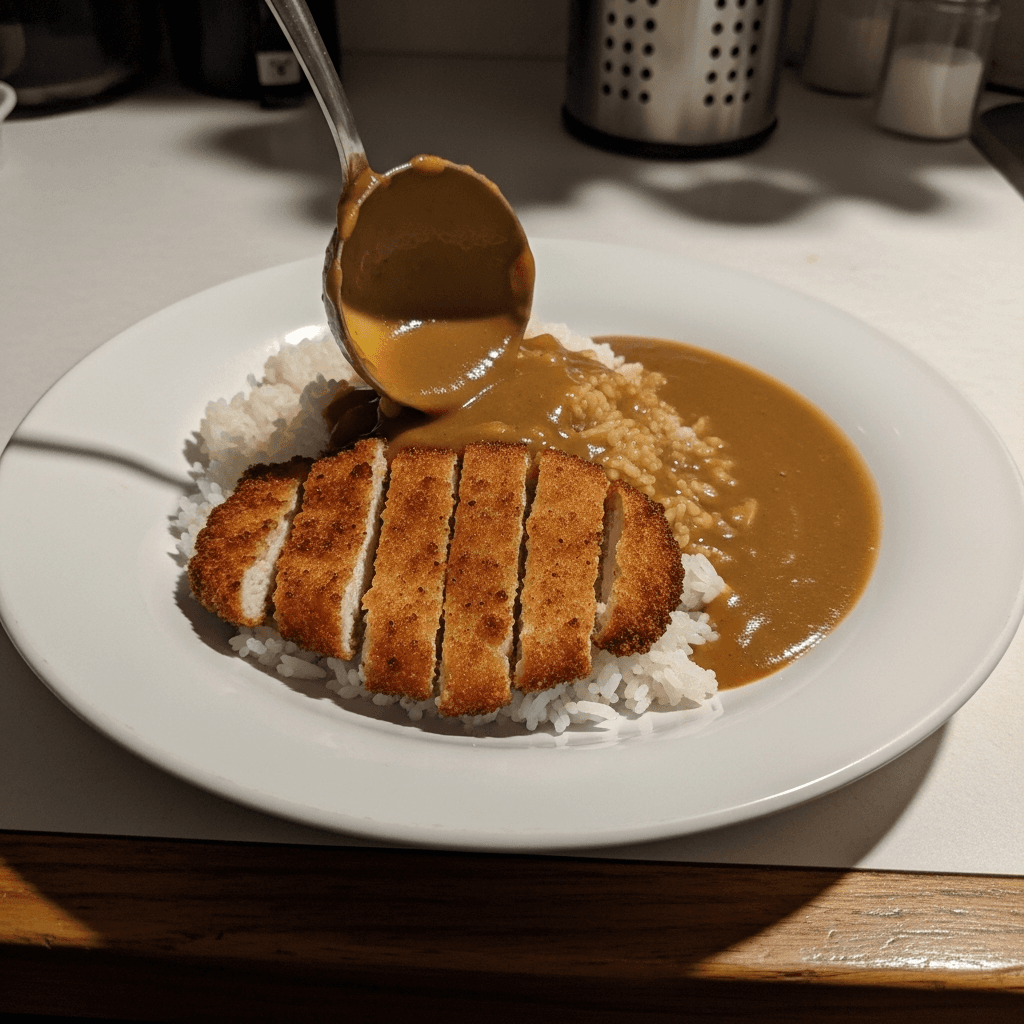
Heartwarming Chicken Katsu Curry
When I first made this Chicken Katsu Curry for my family, it was a quiet weekday lunch after a long morning in the garden. My children returned muddy and hungry, and the warm aroma of simmering curry and the crisp sound of freshly fried katsu brought a soft hush over our small table. The meal felt like a simple festival of comfort, a small celebration of ordinary things: warm rice, golden crust, and a spoonful of rich curry. This dish sits at the intersection of two traditions. The katsu, a breaded cutlet, speaks to a Western influence adapted into Japanese home cooking. The curry, slow-simmered and layered with umami from stock, sautéed onions, and a touch of soy and apple, is pure Washoku in spirit. We seek balance: the crunchy texture of the katsu, the velvet weight of the curry, and the clean, tender rice. Umami is the quiet backbone here. It arrives from kombu-rich stock, caramelized onions, and a small touch of soy. Each element supports the others without overpowering. I invite you to take this lunch slowly. Prepare the rice with respect. Caramelize the onions until they are a deep, sweet brown. When you dredge and fry the chicken, listen for the change in the sizzle and watch the color deepen like a sunrise. Good flavor takes time. If you treat each step with patience, the meal will repay you with comfort and clarity. This recipe is practical for a weekday lunch yet reverent enough to bring presence to the act of cooking. Serve it with a small garnish of pickled ginger or a few steamed greens. Let each bite be an invitation to be grateful for the season, the ingredients, and the hands that prepared them.
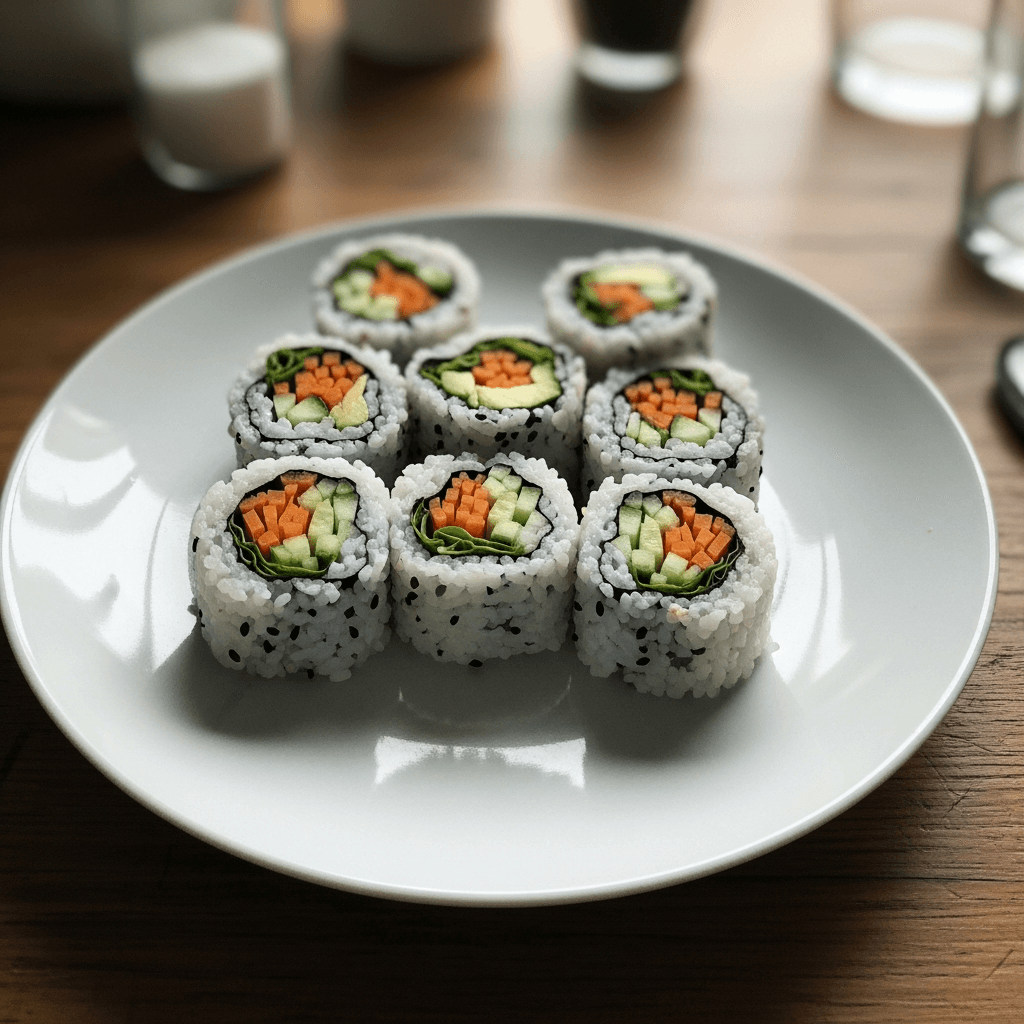
Delicate Sushi Rolls with Fresh Vegetables
When I first taught my niece to make these delicate vegetable sushi rolls she laughed at how small my rice balls were. We sat at the low table in my kitchen and rolled slowly, feeling the cool nori, the gentle stick of the rice, the bright snap of cucumber. This recipe is a memory of that quiet afternoon, a lesson in patience and the simple joy of sharing a light lunch. Sushi is not only technique. It is respect for seasonality and texture. For these rolls I choose vegetables at their shun, crisp cucumber, sweet carrot, creamy avocado and fragrant shiso when it is available. The flavor balance relies on umami from a modest seasoning of rice vinegar and soy, and on contrasts of soft rice and fresh crunch. Making sushi for lunch is an invitation to slow down. We prepare each element with clear intention: wash the rice until the water runs clear, warm the vinegar gently so it absorbs, slice the vegetables with calm hands. There is joy in these small, repeated movements. Good flavor rewards patience, and the act of rolling becomes a calm practice. Please move gently and listen to the kitchen. Notice the rice change as you fan it and fold the seasoning in. Arrange the rolls with care. We eat with our eyes first, and when the plate is balanced, the meal tastes fuller. This is a lunch that honors nature, seasonality and mindful presence.
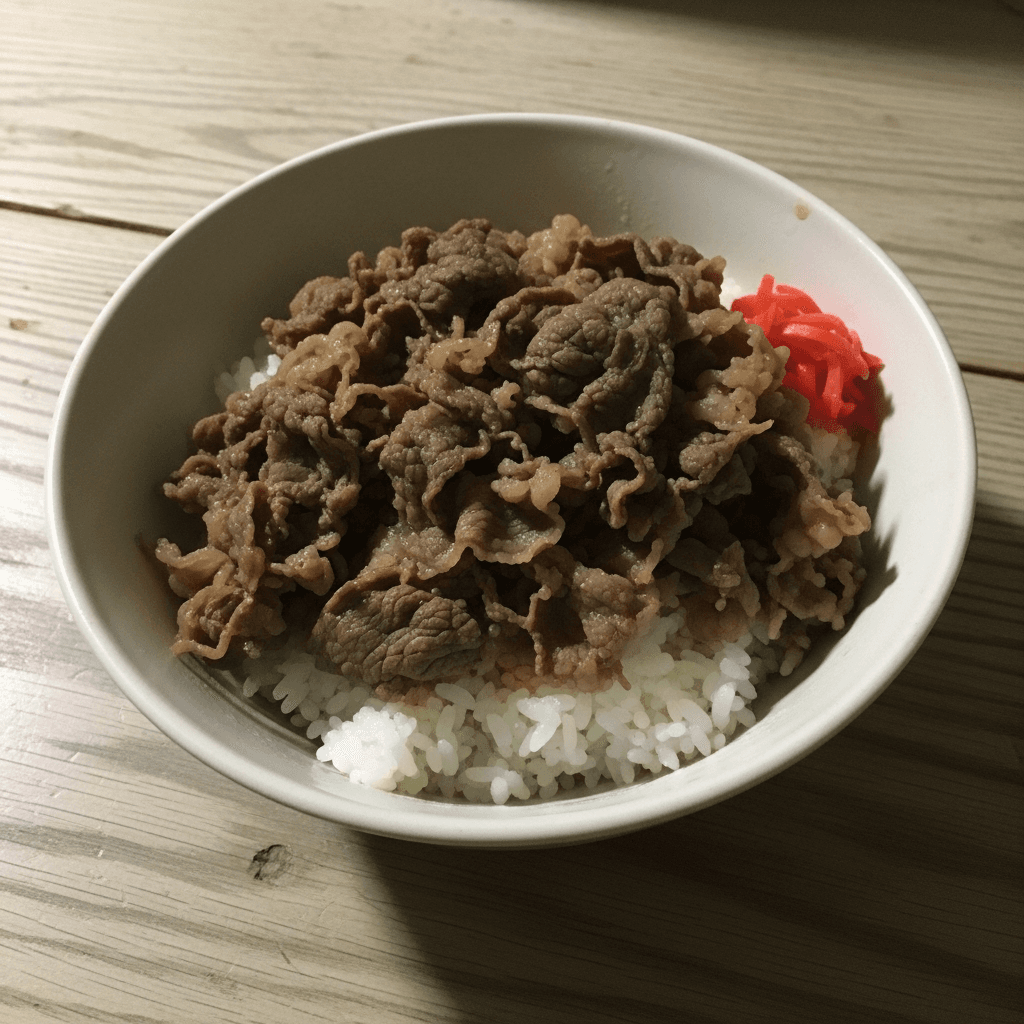
Umami-Infused Beef Gyudon Bowl
When I was a young man visiting the markets in Kyoto, I would see lunchtime crowds gather around small counters, steam rising gently from bowls of gyudon. This Umami-Infused Beef Gyudon Bowl grew from those memories and from evenings at my own table when my family needed something both quick and soulful. I remember my father tearing a strip of pickled ginger and smiling as the savory broth met the sweetness of the onions. That simple harmony stayed with me. This bowl is a meditation on umami. We coax savory depth from a hand-made dashi and build layers with sake, mirin, and soy sauce. The thinly sliced beef, when simmered briefly in this broth, blossoms with flavor. We honor seasonality by using fresh onions in spring and early summer, and by adjusting sweetness when root vegetables are in season. The goal is balance: savory, sweet, and the faint kiss of rice vinegar in the garnish. Cooking this gyudon asks you to slow your hands and listen. Bring the dashi to a gentle simmer and watch for the change in aroma as kombu and katsuobushi speak to each other. Slice the beef against the grain so each bite is tender. Good flavor takes time, but not long time. Patience is in the small acts: a gentle simmer, a measured stir, a mindful tasting. When you serve, arrange the bowl with quiet care. We eat first with our eyes. A neat mound of rice, the glossy, sauced beef, a bright streak of beni shoga, a sprinkle of scallions. Sit down, take a breath, and give thanks for this simple lunch. The bowl is both comfort and ceremony.
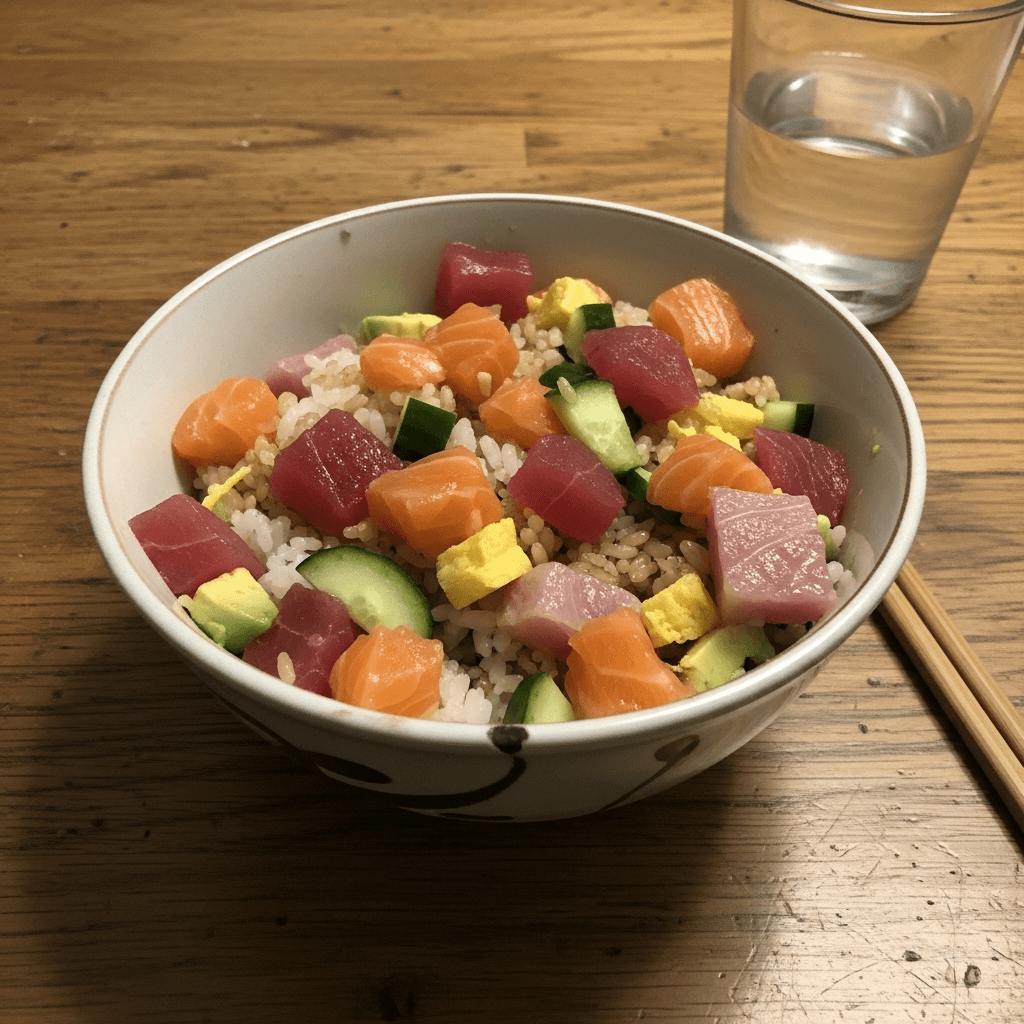
Delicate Chirashi Sushi Bowl
When I first learned to make chirashi it was at my grandmother's kitchen table in the countryside. She would set out small bowls of bright sashimi, simmered shiitake, and a warm pot of seasoned rice. She said that chirashi was a humble celebration, a way to honor the season by scattering the best offerings of the sea and garden over rice. I remember the quiet joy as we assembled our bowls together, each portion placed with care. This Delicate Chirashi Sushi Bowl is my lunchtime adaptation of that memory. It balances soft sushi rice, the clean umami of kombu dashi, and a variety of toppings that offer different textures. Tender sashimi, sweet tamagoyaki, silky avocado, and vinegared mushrooms all meet with a light hand. We aim for harmony of flavor and texture rather than heavy seasoning. Washoku teaches us to respect the natural taste of ingredients and to follow the season. Umami lives in dashi, soy, mushrooms, and the fish itself. By using a gentle kombu dashi and fresh, high quality seafood you let umami unfold slowly. Take time with the rice and with simple, precise cuts of fish. Good flavor takes time. Do not rush the soaking or the seasoning. I invite you to make this dish as a mindful lunch. Arrange each element with balance in mind. The act of preparing this bowl can become a quiet ritual, a way to express gratitude for food and for the hands that prepared it. As you eat, notice the contrast of warm and cool, soft and crisp, subtle salt and bright vinegar. This is the spirit of washoku in a bowl.
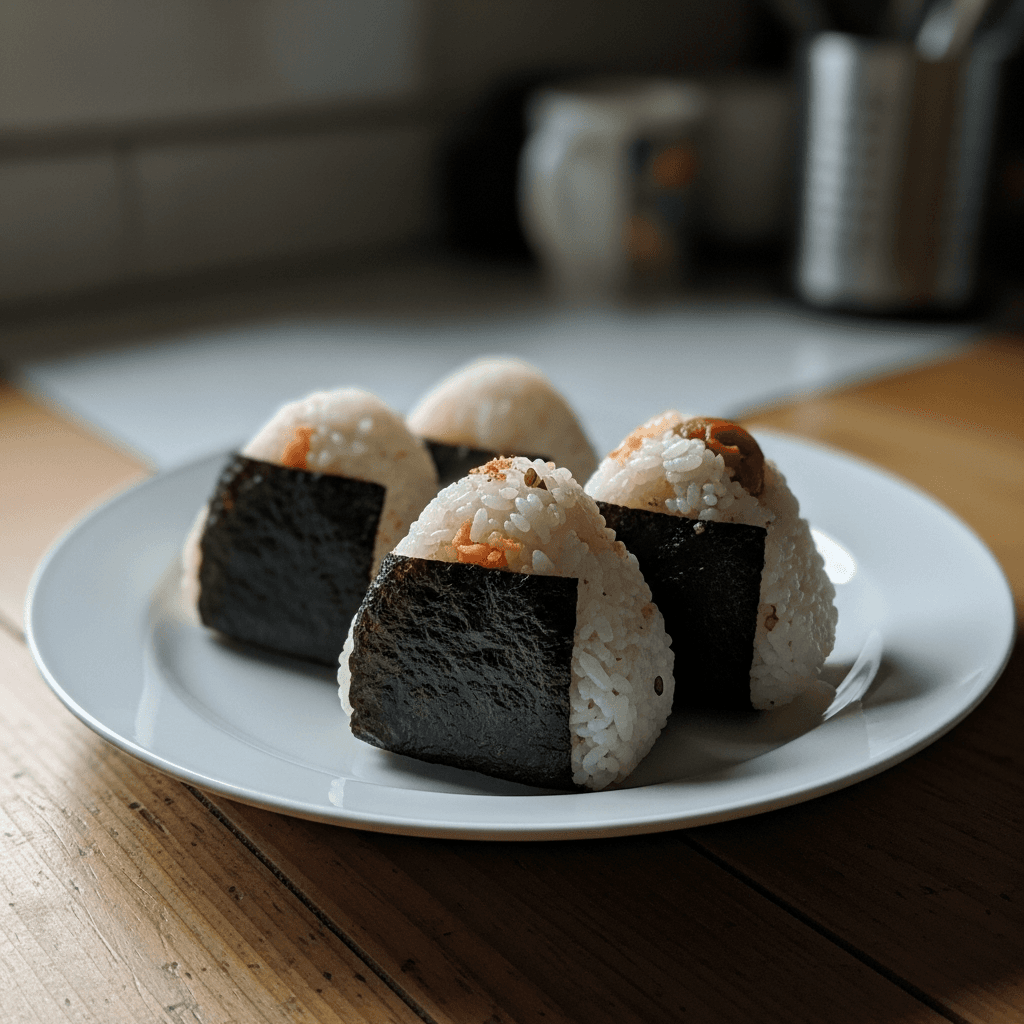
Delightful Onigiri with Seasoned Seaweed
When I was a boy, my grandmother would press warm rice into my small hands and tuck a humble umeboshi into the center. We would sit by the kitchen window, watching the rice steam rise like a quiet prayer. This recipe is my gentle tribute to those afternoons. The seasoned seaweed adds a soft crunch and an umami kiss, turning a simple rice ball into a lunchtime moment of calm. Onigiri is more than food. It carries season, place, and memory. In Washoku we honor shun, the best time for each ingredient. Fresh short-grain rice, a touch of quality soy, toasted sesame, and a simple filling create harmony. The seasoning we give the seaweed is small work with big impact. It accents the rice without overwhelming it. Umami is the spirit that ties these elements together. The toasted sesame and soy in the seaweed bring savory depth. The salt on the rice highlights sweetness and texture. As you shape each onigiri, feel the temperature, the grain, and the balance between firmness and tenderness. This is a practice in attention. Prepare slowly. Good flavor takes patience. Rinse the rice until the water runs clear. Let it rest a few minutes after cooking so the steam loosens the grains. When you wrap the seasoned nori, notice the sound it makes. Cooking can be a meditation and this lunch a small celebration of nature's bounty and quiet care.
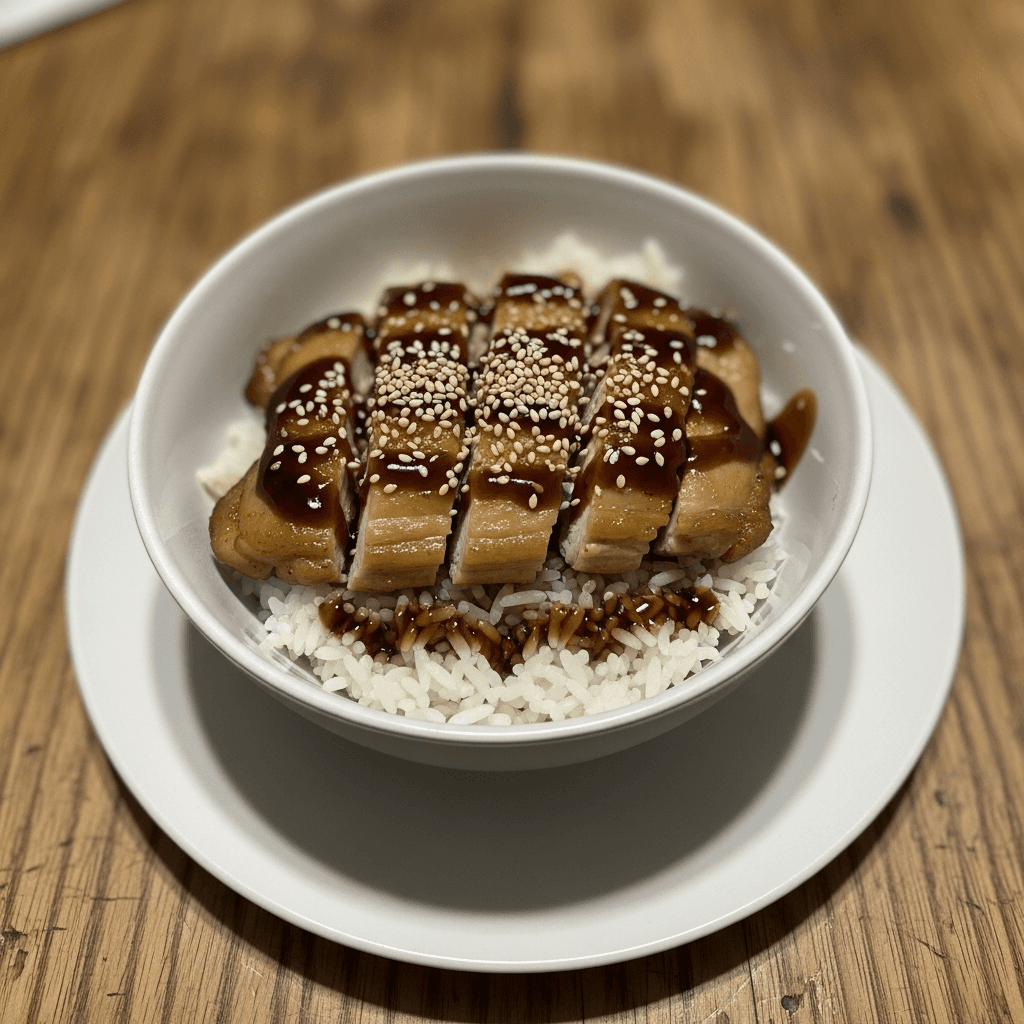
Tender Chicken Teriyaki Rice Bowl
When I was young, a simple chicken teriyaki bowl was a weekday ritual in my household. My grandmother would return from the market with small, bright scallions and the freshest chicken. She would simmer the sauce slowly while the rice steamed, and the steady, sweet aroma filled the kitchen. I remember how everyone gathered around the low table, hands warm from the bowls, and how that quiet routine felt like a small ceremony of thanks. This Tender Chicken Teriyaki Rice Bowl is my way of honoring that memory while bringing a gentle mindfulness to lunch. Teriyaki is a balance of sweet, salty, and umami. The soy contributes depth, the mirin and sugar give a tender sweetness, and a touch of dashi or chicken stock lifts the overall savor. We aim for a glossy, slightly caramelized sauce that clings to each piece of chicken, and steamed rice that welcomes every drop. In Washoku we pay attention to shun, the seasonality of ingredients. Choose fresh scallions and a small seasonal vegetable if you like, such as thin-sliced blanched spinach in spring or quick-pickled cucumbers in summer. These small seasonal touches bring brightness and texture to the bowl. Also, honor the rice. Rinsing and gently steaming it will reward you with a soft bed that completes the dish. Take your time with each step. Good flavor takes time. As you cook, breathe and listen to the sounds of searing, simmering, and steaming. This is not only lunch. It is a small practice of care for yourself and those you feed.
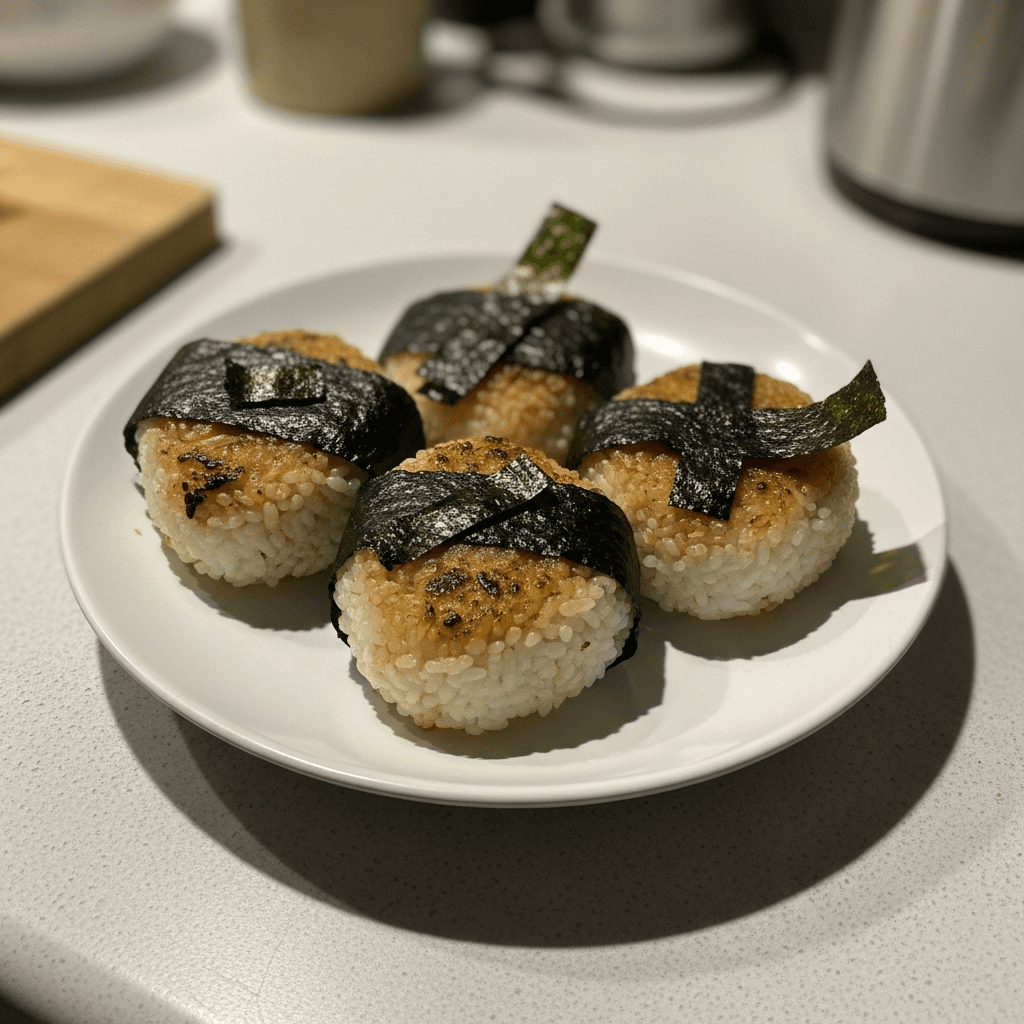
Delightful Yaki Onigiri with Seaweed
When I was a boy I remember the smell of the charcoal grill near my grandmother's kitchen in the countryside. She would press warm rice into small triangles, anoint them with a little soy, and toast them until the surface sang with a gentle crackle. These yaki onigiri are a memory of those quiet afternoons, carried now to my own table when I want a simple, mindful lunch. This recipe celebrates umami in its most honest form. The rice brings comfort, the soy glaze brings savoriness that deepens as it caramelizes, and the toasted nori adds a crisp, briny counterpoint. In Washoku we honor seasonality. Today the onigiri may be plain, or filled with a seasonal pickled plum or leftover grilled fish. Each small decision is an opportunity to respect the ingredient's nature. Making yaki onigiri is a practice in patience. We treat the rice gently, shaping with moist, salt-kissed hands so the grains remain distinct and tender. As you grill, listen for the change in sound, notice the aroma as the glaze begins to caramelize. These are the moments when cooking becomes meditation. Please slow your pace and enjoy the process. The result is a humble lunch that comforts and nourishes. Serve with a small bowl of miso soup or steamed greens, and you will have a balanced midday meal made with care.
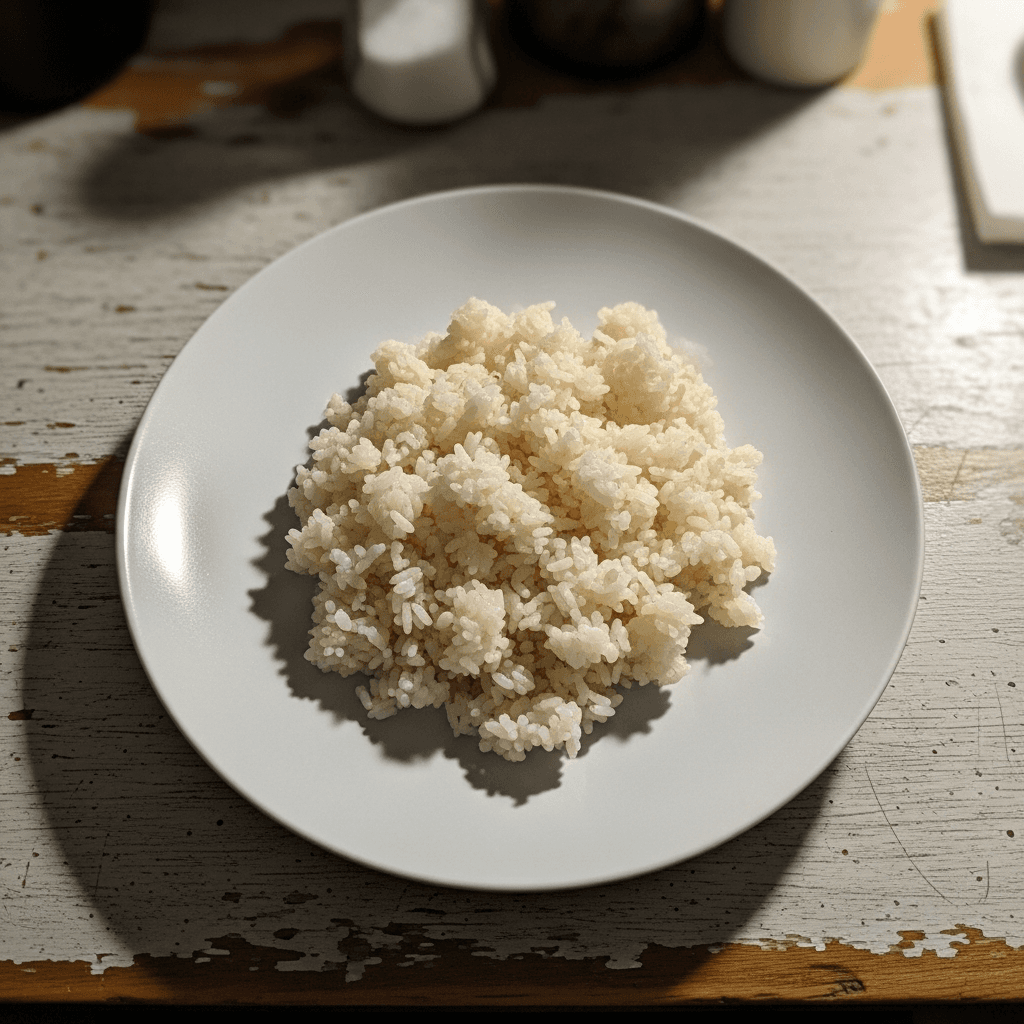
Seasoned White Rice with Umami Essence
When I first learned this recipe from my grandmother in the countryside, she served it simply in a warmed donabe with a small bowl of pickles on the side. The house smelled of kombu and toasted bonito, and everyone gathered around the table with quiet gratitude. That humble meal taught me that rice need not be a blank canvas. With gentle seasoning and true umami, it becomes the heart of a lunch that nourishes both body and spirit. This seasoned white rice celebrates umami in a subtle and balanced way. We use kombu and a touch of katsuobushi to infuse the cooking liquid, then finish with a whisper of soy, mirin, and sake. The result is rice that is glossy, aromatic, and savory without overpowering. In Washoku, balance is everything. Texture, aroma, and flavor should all sing together. Cooking this dish asks for patience. Rinse the rice until the water runs clear. Soak it patiently. Steep the kombu gently. These steps honor the grain and reveal its best texture. Good flavor takes time. Treat each step as a small meditation and you will be rewarded with rice that feels like a peaceful lunch in the midst of a busy day. Serve this rice simply, with seasonal side dishes or a single grilled fish. We eat first with our eyes, then with our hands, and finally with our heart. This bowl is meant to bring calm, balance, and comfort. Take your time, breathe, and enjoy the quiet ritual of cooking and eating.
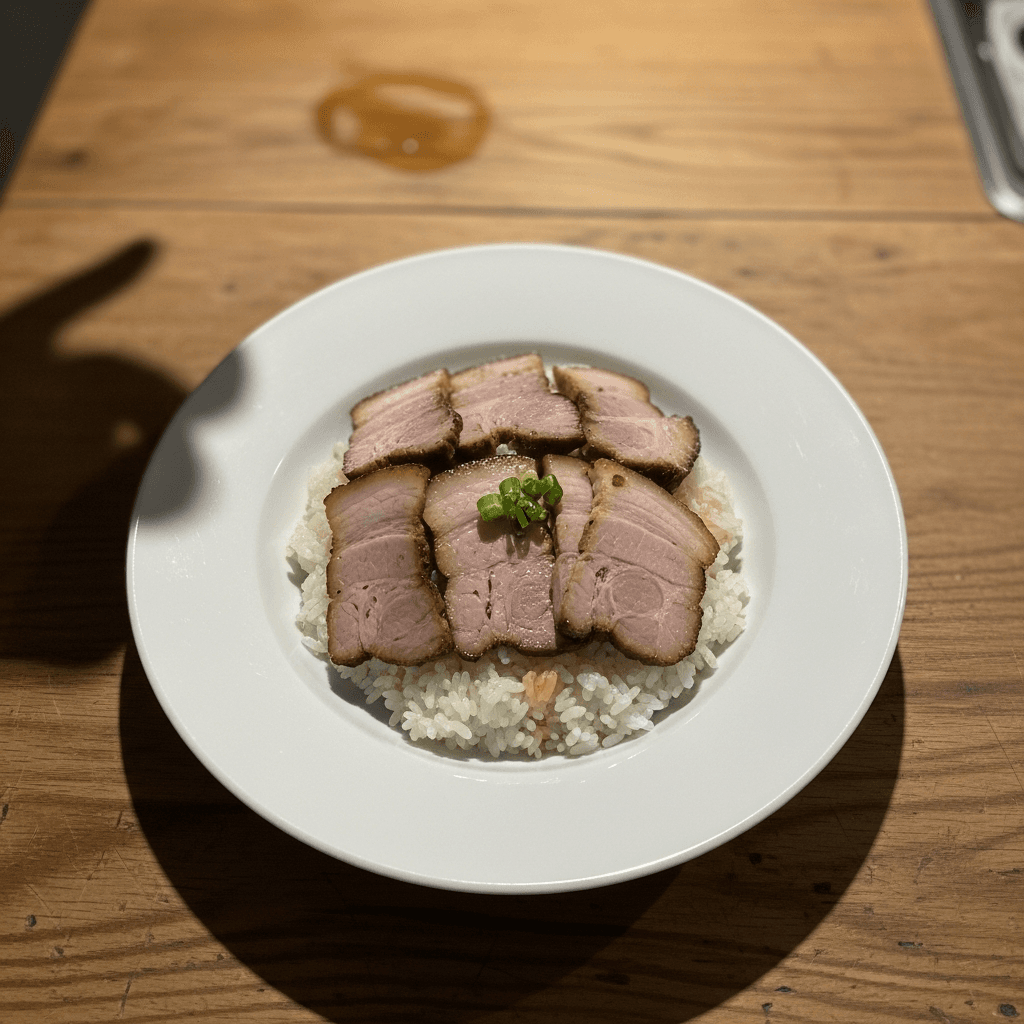
Fluffy Chashu Pork Rice Bowl
When I think of the Fluffy Chashu Pork Rice Bowl I see my small kitchen window in the countryside where the light comes in soft and warm. I first made a version like this for my children on a rainy afternoon when I wanted something nourishing that felt like a hug. The pork was slow-simmered until it yielded when touched and the rice was so light that each spoonful carried the broth like a gentle memory. This dish is an exercise in balance and umami. The braised pork gives deep, savory notes from soy, mirin, and sake while the fluffy rice soaks up the braising liquid and becomes the quiet partner on the plate. In washoku we honor seasonality. In spring I might add young scallions, in winter a touch of lightly pickled daikon. Respect the ingredients and they will reward you quietly. Cooking this bowl is a practice in patience. We sear to seal flavors, not to hurry, and we simmer gently so the meat becomes tender without becoming harsh. Pay attention to aroma and touch. When the kitchen fills with a warm, soy-sweet scent and the pork yields easily to a chopstick, you will know the work is done. Bring a mindful calm to the process. Slow down while rinsing the rice, tie the pork with care, listen for the simmer to change its voice. This is a simple, nourishing lunch that invites you to sit, breathe, and appreciate the harmony of each bite.
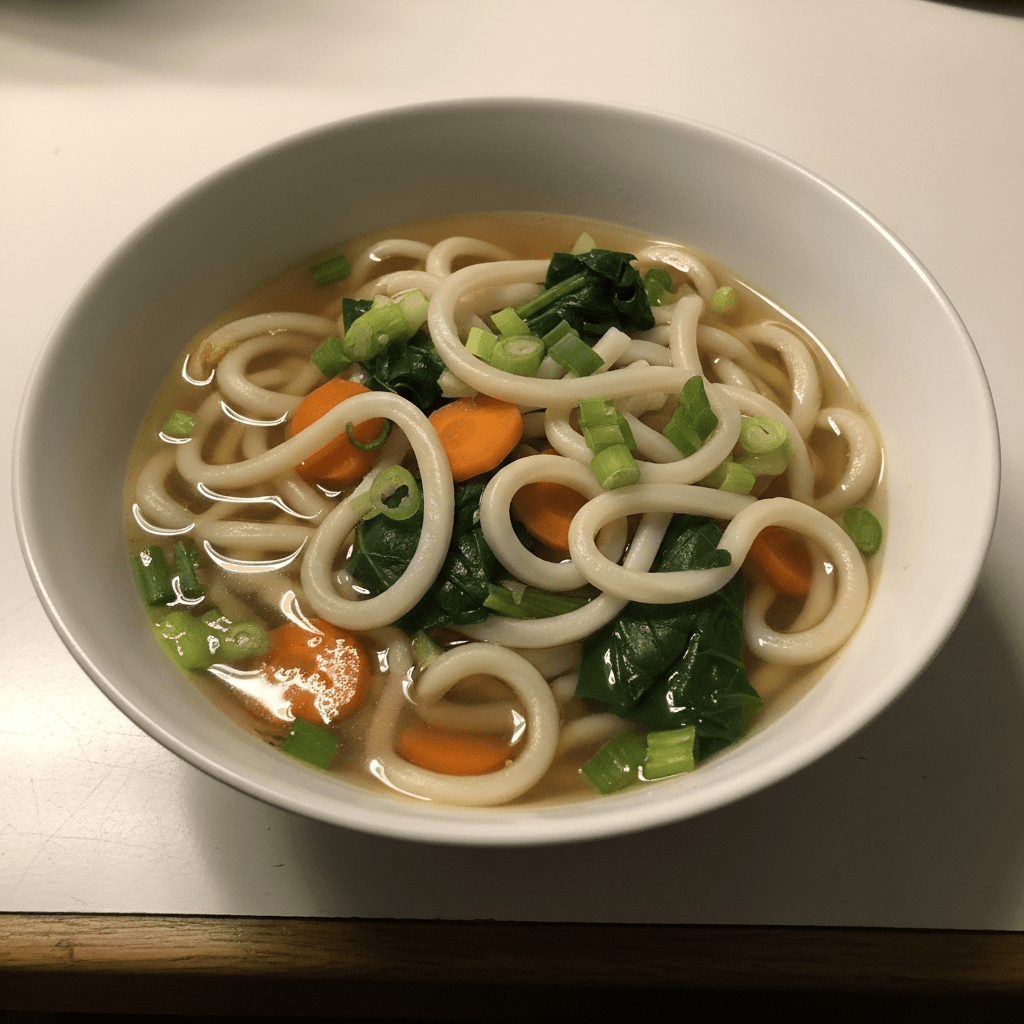
Nourishing Vegetable Udon Noodle Soup
When I first made this Nourishing Vegetable Udon Noodle Soup for my family, it was a gray spring afternoon in my small kitchen. The children had returned from school tired and hungry, and I wanted something warm that would soothe the body and quiet the mind. The gentle broth, soft udon and bright vegetables reminded me of a humble lunch my grandmother served in the countryside. She would say that a simple bowl could restore balance if prepared with care. This soup carries the spirit of washoku, the harmony of food. The broth is built slowly from kombu and dried shiitake to create umami without overwhelming salt. Vegetables are chosen for their texture and season; we respect shun by using what is freshest. The flavor profile is comforting and layered: savory dashi, a touch of sweet mirin, the roundness of soy, and the clean brightness of leafy greens. Please slow down as you cook. Bring the dashi gently to a near simmer and listen to the change of bubbles. Slice vegetables with respect to their texture. We slice carrots thin so they become tender while keeping a bite. Good flavor takes time so do not rush the broth. The act of preparing this bowl can be a quiet practice, a small ceremony of gratitude to nature. When you serve, arrange colors and textures so the eyes are pleased before the first sip. Place tender tofu and glossy udon beneath a nest of spinach and sliced negi. A few toasted sesame seeds or a sprinkle of shichimi togarashi will complete the harmony. Eat slowly, notice the warmth, and let the soup remind you that simple care nourishes more than the body alone.
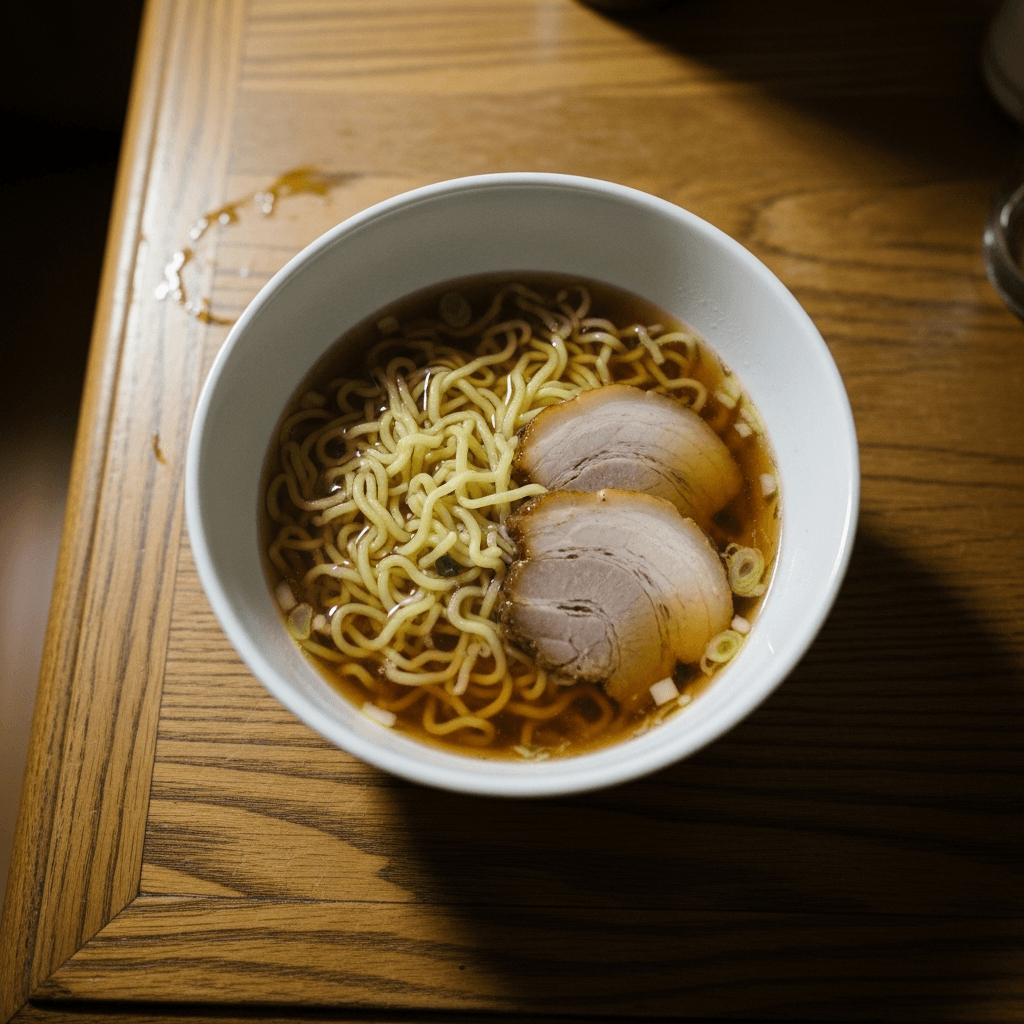
Savor the Flavors of Shoyu Ramen
When I first learned to make shoyu ramen, it was not in a modern kitchen but by the low table in my grandmother's countryside home. She would lift the lid of a simmering pot and smile, as if each steam plume were a small prayer to the fields and sea that fed us. This recipe is a gentle homage to those afternoons. It is a balance of simple technique and patient simmering, the way Washoku teaches us to treat ingredients with respect. Shoyu ramen sings of umami. The soy seasoning, called tare, is the song, while the broth is the instrument that supports it. I like to combine chicken bones with kombu and dried shiitake for a clear, savory broth that carries the soy with a light, rounded backbone. Fresh green onions, a soft-boiled egg, and a sheet of nori complete the bowl. Each element has a role, and together they create harmony. Seasonality matters. In autumn I favor shiitake with deeper aroma. In spring I choose tender scallions and a lighter soy tare. The practice of shun, appreciating what is at its peak, will change the bowl more than any clever technique. Take the time to choose the freshest noodles you can find and the best soy sauce you enjoy drinking. Your palate will thank you. This is a lunch meant to be both restorative and mindful. Allow the broth to develop slowly. Pay attention to the sound of the simmer and the aroma as you add each component. Cooking ramen is a gentle meditation that rewards patience. When you sit down to eat, breathe, appreciate the color and scent, and eat with gratitude.