Snacks Recipes
Discover delicious snacks recipes

Crispy Seaweed Rice Crackers
When I was a boy, my grandmother in the countryside would toast leftovers of rice into small golden crisps over a hibachi. She would press a square of nori against each warm rice patty and we would eat them slowly with green tea, savoring the contrast of soft and crackle. These Crispy Seaweed Rice Crackers are a humble memory transformed into a mindful snack for modern cooks. I made this recipe for my family on a rainy afternoon, and the house filled with a quiet, toasted aroma that felt like home. Seaweed and rice are a natural friendship in Japanese cooking. Together they speak of umami and simplicity. The rice gives comfort and body, the nori lends oceanic depth, and a small glaze of soy and mirin brings a gentle sheen and savory balance. This snack honors seasonality through the rice we choose and the quality of the nori. In Washoku we aim for harmony, not excess; here we balance texture with taste, crispness with gentle salt. Take your time with each step. We do not rush the rice, nor the drying. Slow baking draws moisture from the rice and encourages a clean, lasting crunch. Listen for the subtle change as the crackers finish: the sound becomes brittle, the edges turn a quiet golden, and the aroma shifts from starchy to toasted and savory. Each sensory cue guides the work, like a bell in a small temple. I invite you to approach this recipe as a small meditation. Prepare your ingredients, feel the coolness of the rice grain, respect the nori like paper-thin leaves of the sea, and enjoy the process. When you share these crackers with family or friends, serve them simply: a small dish, a cup of tea, and the quiet pleasure of mindful eating.

Savoury Katsu Sandwiches with Tonkatsu Sauce
When I was a young man visiting Kyoto in the cool of spring, I remember a small stall near a temple where a warm katsu sandwich was passed into my hands. The bread was soft and slightly sweet, the pork crisp and whispering with oil, and the sauce navy with umami and gentle acidity. It was a humble pleasure, eaten standing beneath the maples, and it taught me that a simple sandwich can be a whole ceremony. This savoury katsu sandwich is a bridge between comfort and craft. The cutlet is seasoned, dredged, and fried until the panko sings, then paired with shredded cabbage, a smear of mayonnaise, and a glossy tonkatsu sauce. Here we seek balance: fat, acid, crunch, and the deep pleasure of umami. In Washoku we honour seasonality, so choose cabbage that is crisp and fresh, and bread that smells faintly of milk and yeast. Cooking this is a meditation. Take time with each step. We press the panko gently into the meat to respect texture. We fry at a steady heat so the crust browns evenly. Good flavor takes time, do not rush the sauce. Each small action is an offering to the ingredients and to those who will eat. Make smaller sandwiches as a snack or serve halves for a light meal. Invite friends or family to share them, and encourage them to eat mindfully. The act of assembling and eating a katsu sandwich can be as nourishing as the food itself when done with care and gratitude.
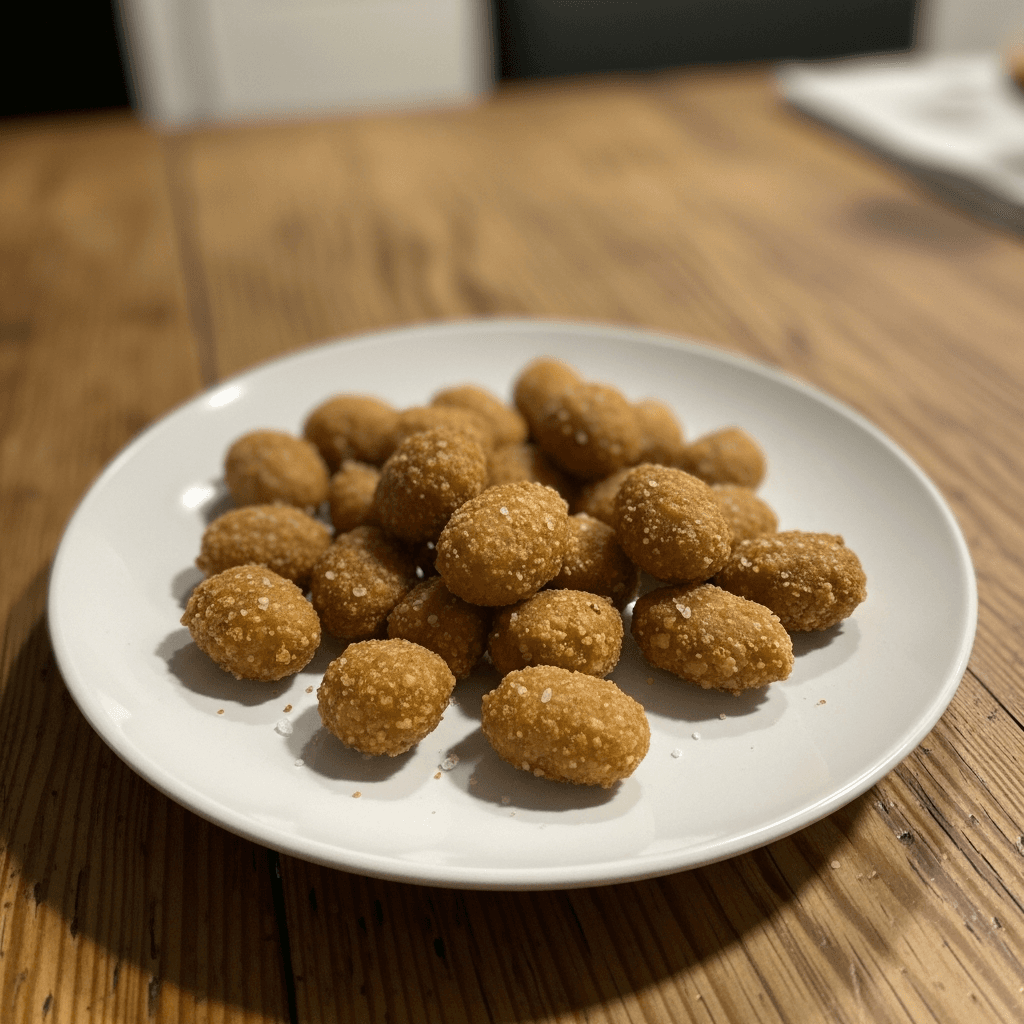
Crispy Edamame and Sea Salt Bites
When I first made these Crispy Edamame and Sea Salt Bites, it was for a small family gathering in late spring. The edamame were young and bright from a nearby market stall, still warm from the vendor's basket. My niece, curious and delighted, called them little green treasures. I remember the simple joy in her eyes as she crunched into a warm, salty bite. That memory is the quiet heart of this recipe. In washoku we seek balance of flavor, texture, and season. Edamame carries gentle sweetness and savory umami. By giving it a delicate dry coating and a quick high-heat finish, we transform its round tenderness into crisp poppable bites. A finishing sprinkle of flaky sea salt honors the ingredient's natural character rather than overpowering it. This recipe is also an invitation to slow down. Take care when blanching and drying the beans. Listen for the sound as they crisp. The process asks for patience and intention. Good flavor often arrives when we are present to coax it into being. Serve these as a humble snack with warm tea, or arrange them as part of a larger izakaya-style spread. They are simple, seasonal, and forgiving. Treat each bite as a small ceremony of gratitude for the harvest and the hands that brought it to your table.
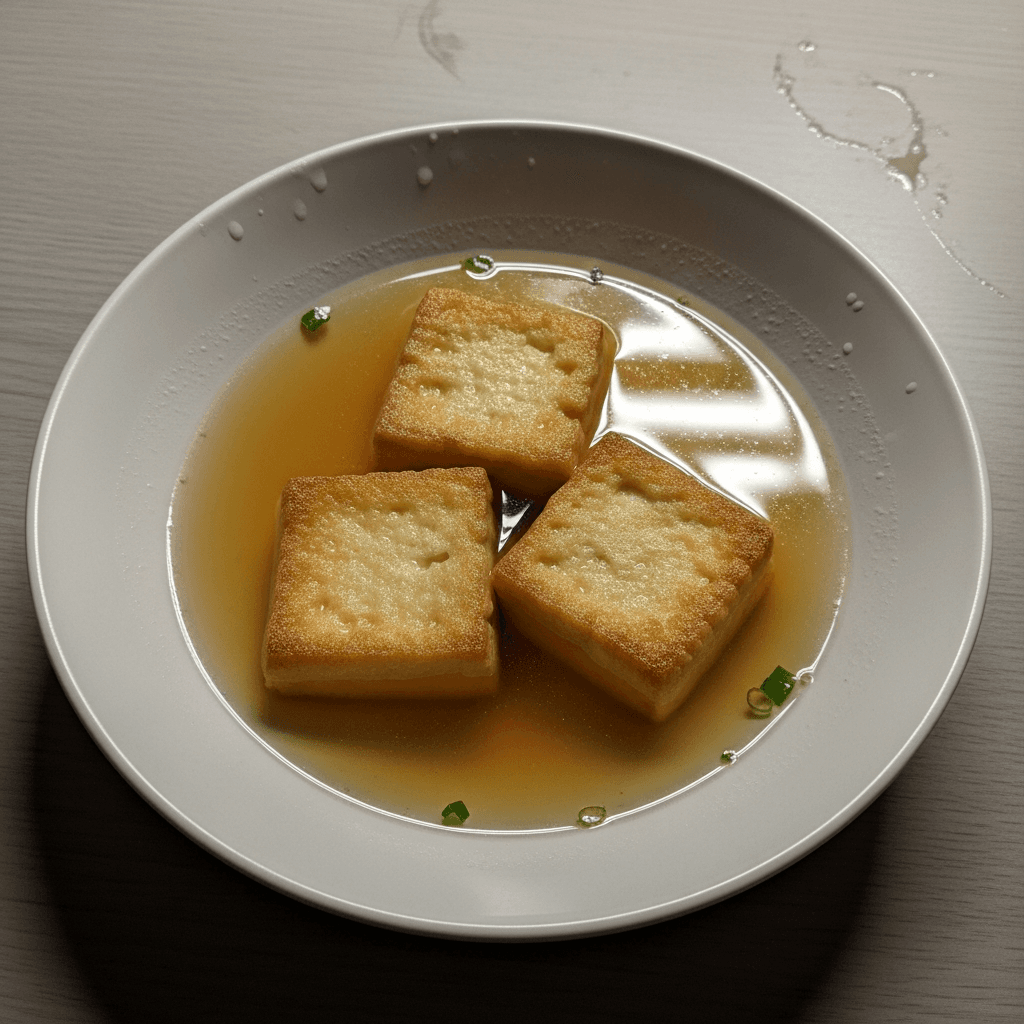
Crispy Agedashi Tofu in Dashi Broth
When I was young I remember a small stall by a temple in Kyoto where the air was a mix of incense and simmering dashi. The vendor would serve warm, crisp tofu in a shallow bowl of clear broth. I learned then that simple things can carry great comfort. This Crispy Agedashi Tofu brings me back to that quiet moment, and also to my grandmother's countryside kitchen where she would pat the tofu gently with a cloth and say, watch it carefully as it browns. Agedashi tofu is a celebration of textures. The outside is light and golden, offering a delicate crunch. Inside the tofu remains tender and silky. The dashi broth ties the dish together with umami and subtle sweetness. In Washoku we honor seasonality and balance. If daikon is in season, grate it finely. If fresh spring scallions appear, use them. These small choices honor the ingredient's spirit. We focus on umami here because it is the quiet heart of the bowl. Kombu and katsuobushi bring a round, savory base, while soy and mirin add depth and a touch of sweetness. The fried coating gives contrast. We use potato starch to achieve a thin, crisp mantle that does not weigh down the tofu. Good flavor takes time, so do not rush the dashi; let it rest briefly so the aroma settles. This recipe is offered as a mindful snack. It invites slowing down between tasks and sharing a small, nourishing plate with someone you care for. Treat each step as a gesture of gratitude to the ingredients and to the hands that prepared them.
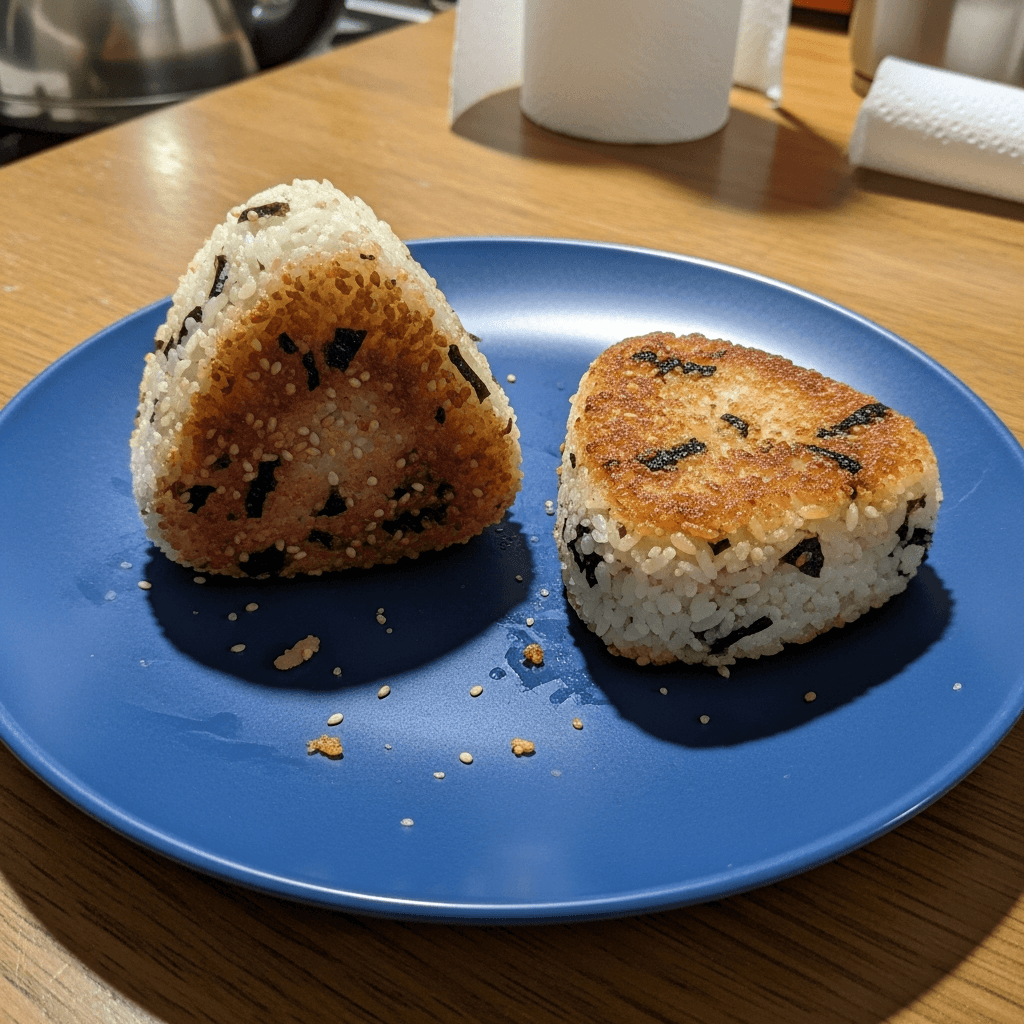
Crispy Onigiri with Umami Seaweed
When I was a young man walking the lanes of Kyoto during a summer festival, the vendors sold grilled rice balls that crackled as you bit them. The sound, the texture, and the warm grain stayed with me. Years later I recreated that memory at my own table, combining a soft, seasoned rice interior with a thin, crispy crust and a concentrated umami seaweed filling. Each bite is a small celebration of simple things done well. This snack sits between comfort and ceremony. Onigiri are humble, portable, and honest. The seaweed I use here, a slow-simmered kombu tsukudani, is concentrated nature. It is salt, sweetness, and ocean all in one spoonful. When paired with toasted nori and a touch of soy-brushed crispiness, the flavor finishes round and lingering like a soft bell note. Washoku teaches us to honor seasonality and balance. Even for a snack, I choose rice at its best, a small amount of quality kombu or store-made tsukudani, and a neutral oil that browns cleanly. We aim for contrast of textures and a harmony of tastes. Umami is the thread that links them together. I invite you to slow your pace while making these. Shape the rice with intention. Listen to the sizzle when the onigiri meet the pan. Good flavor takes patience. This recipe is gentle enough for a weekday afternoon and special enough for guests who appreciate quiet, mindful cooking.
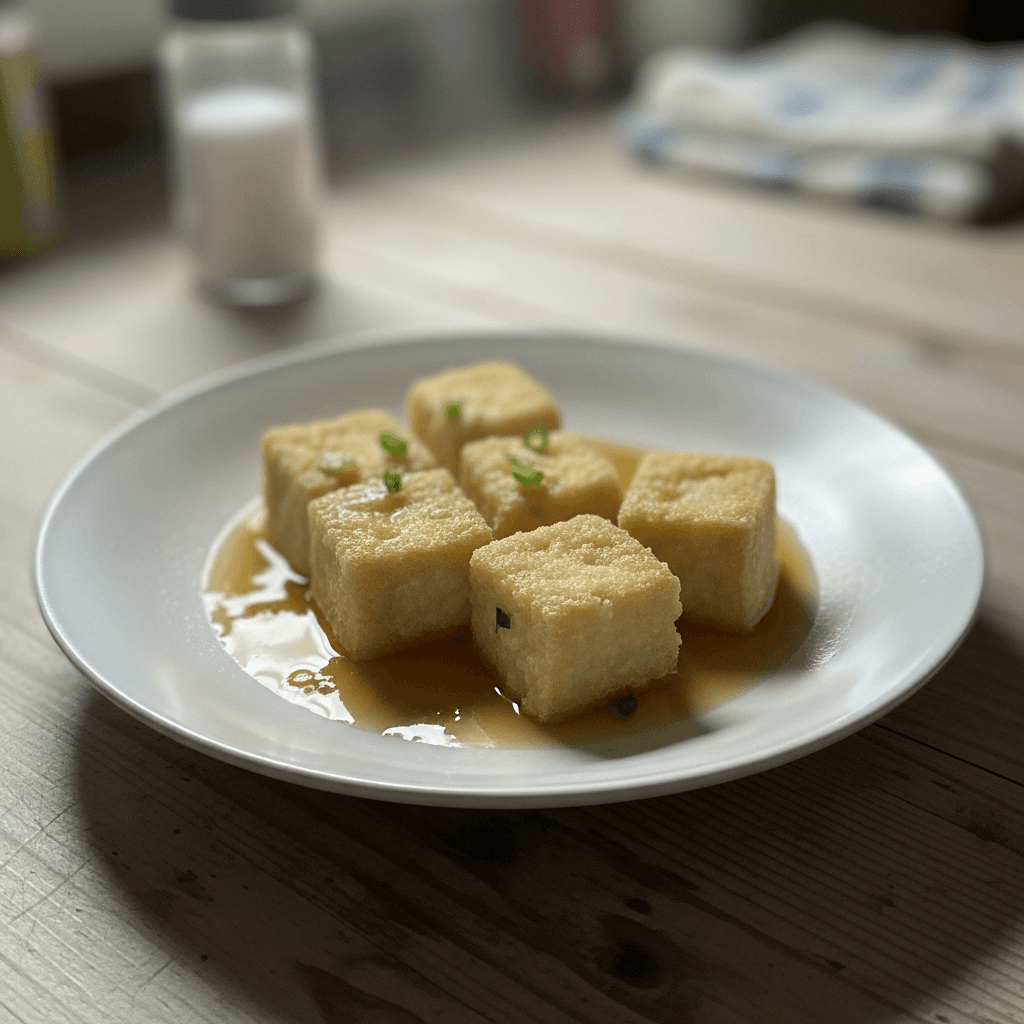
Crispy Agedashi Tofu with Dashi Sauce
When I first learned to make agedashi tofu I was in a small kitchen near my aunt's house in Kyoto. She served warm bowls after summer festivals, and I would watch steam rise as we sat on low stools. The memory of the crisp exterior and the soft, warm heart of the tofu has always felt like a quiet celebration of simple things. This version is my mindful adaptation for the everyday snack. The harmony of textures is important: the thin, crisp coating, the silken tofu inside, and the light pool of dashi sauce that carries umami forward. In Washoku we honor season and balance, so the dashi is clean and restrained so that garnishes like grated daikon and a whisper of ginger can sing. Umami is the spirit of this dish. Good dashi made from kombu and katsuobushi will give depth without heaviness. We do not rush the stock. We allow the kombu to release its essence gently, and we listen as the aroma changes when the bonito meets the warm water. The frying is brief and attentive so the tofu keeps its tender center. Prepare this as a quiet ritual. Press the tofu patiently. Heat the oil without haste. When you sit to eat, close your eyes for a moment and notice the steam, the gentle saltiness, and the contrast of textures. This snack is a small offering of gratitude to the season and to the hands that grew the ingredients.
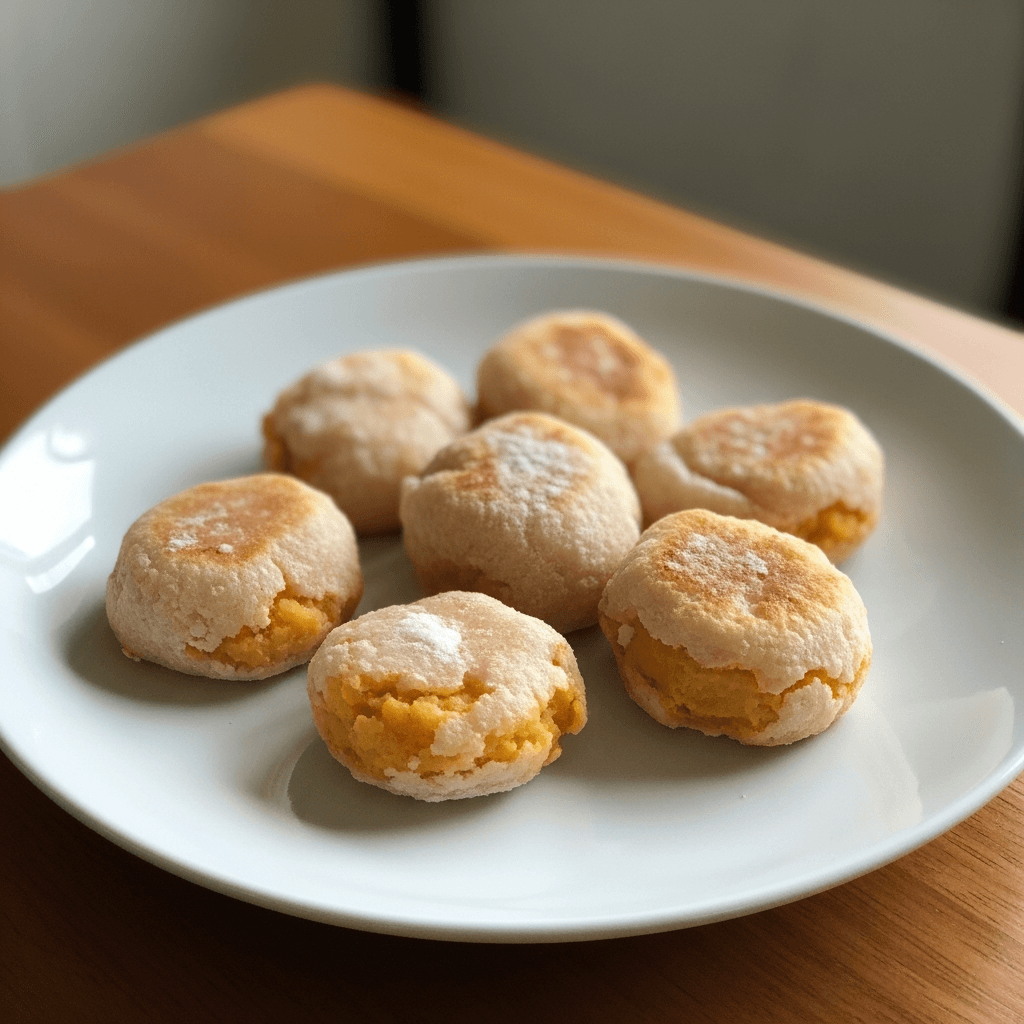
Fluffy Sweet Potato Mochi Bites
When I was a child in the countryside, my grandmother would take me out to gather satsuma-imo in autumn. After the harvest, she would steam the sweet potatoes until they were pillowy, and we would sit quietly while she mashed them by hand. These Fluffy Sweet Potato Mochi Bites grew from that memory. I adapted her gentle technique into a small snack that is both humble and celebratory. They are something I bring to tea with friends, to neighborhood gatherings, and to the simple midafternoon moment when you need a warm comfort. This snack sits between dessert and savory. The sweet potato gives natural sweetness and a soft, fibrous texture. Mochiko, the sweet rice flour, gives the classic chewy, airy mochi presence, while a little milk and butter round the flavor and soften the bite. We balance texture more than we overwhelm flavor. A light dusting of kinako or toasted sesame finishes the morsels and evokes the season. Washoku teaches us to respect seasonality and the spirit of ingredients. In autumn, satsuma-imo are at their shun, full of sweetness and aroma. We celebrate that by using minimal sugar and gentle cooking. Umami is present even in sweet potatoes as a rounded sweetness combined with starch. When you make these bites, listen to the steam, feel the texture as you mash, and let the process be calm and deliberate. Please take your time. Good flavor takes patience. Steam the potatoes until they are fully tender so the mochi becomes fluffy rather than rubbery. Arrange the finished bites with balance on a small plate. We eat first with our eyes, then with gratitude. This recipe will guide you step by step, with small meditations on technique and presentation.
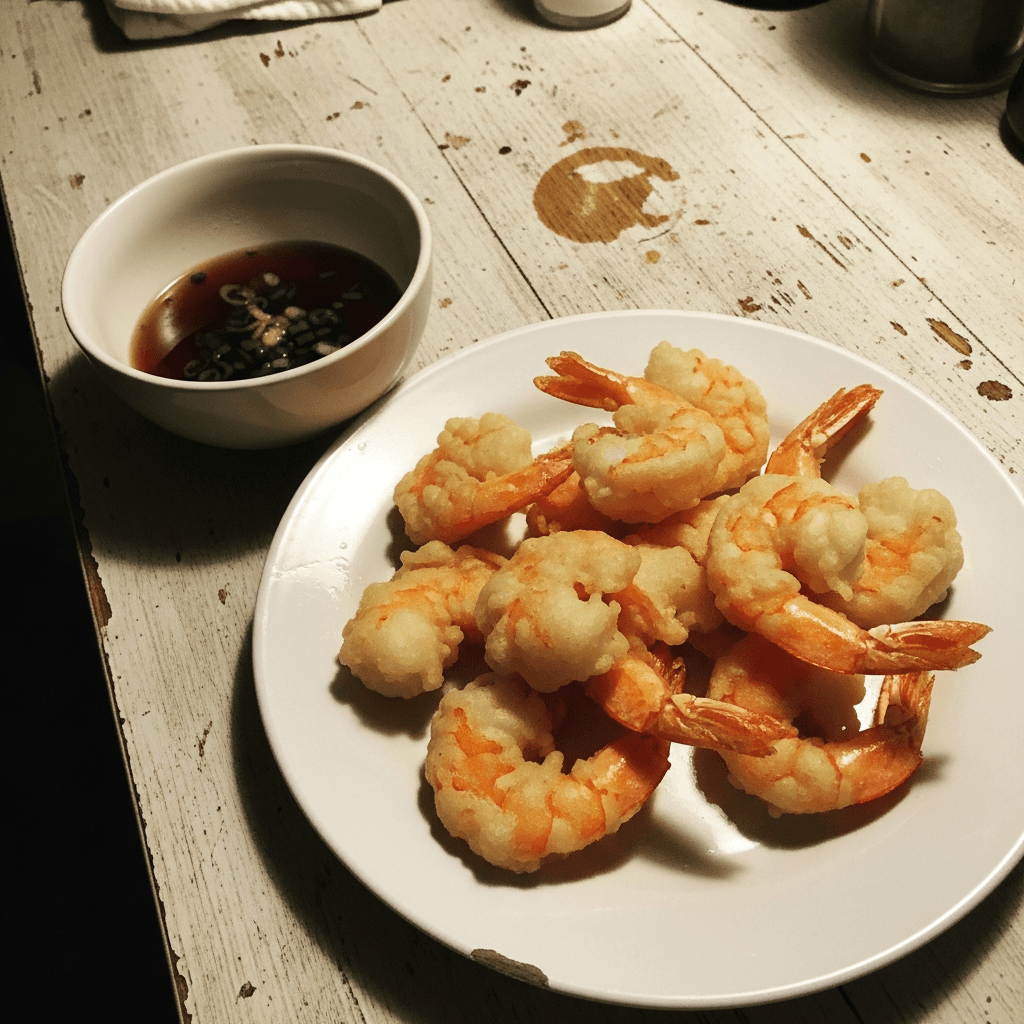
Crispy Shrimp Tempura with Dipping Sauce
When I first learned to make tempura it was in my grandmother's small kitchen in the countryside. She would prepare shrimp and a few seasonal vegetables, and we would sit by the window while the oil warmed. The memory of the light, crisp batter and the simple dashi-based dipping sauce is still quiet and joyful in me. This snack reminds me of summer festivals in Kyoto when families gather and share small bites between laughter and the soft music of taiko. Tempura celebrates texture and season. The batter is thin and cold to honor the shrimp's sweetness, and the dipping sauce balances umami, salt, and a gentle touch of sweetness. We think of shun, the seasonality of ingredients. Use the freshest shrimp available. Fresh shrimp bring a clean ocean sweetness that the delicate batter should reveal, not hide. This recipe asks you to move slowly and intentionally. Keep your batter cold, heat your oil steadily, and fry in small batches. Good flavor takes time. The act of frying tempura is a form of meditation. Listen to the frying, feel the rhythm of the kitchen, and be grateful for each ingredient's contribution. Serve this as a snack to share. Arrange with balance and allow the sauce and garnishes to speak softly beside the tempura. We eat first with our eyes, then with our hands and hearts. May this simple dish bring you calm in the kitchen and pleasure at the table.
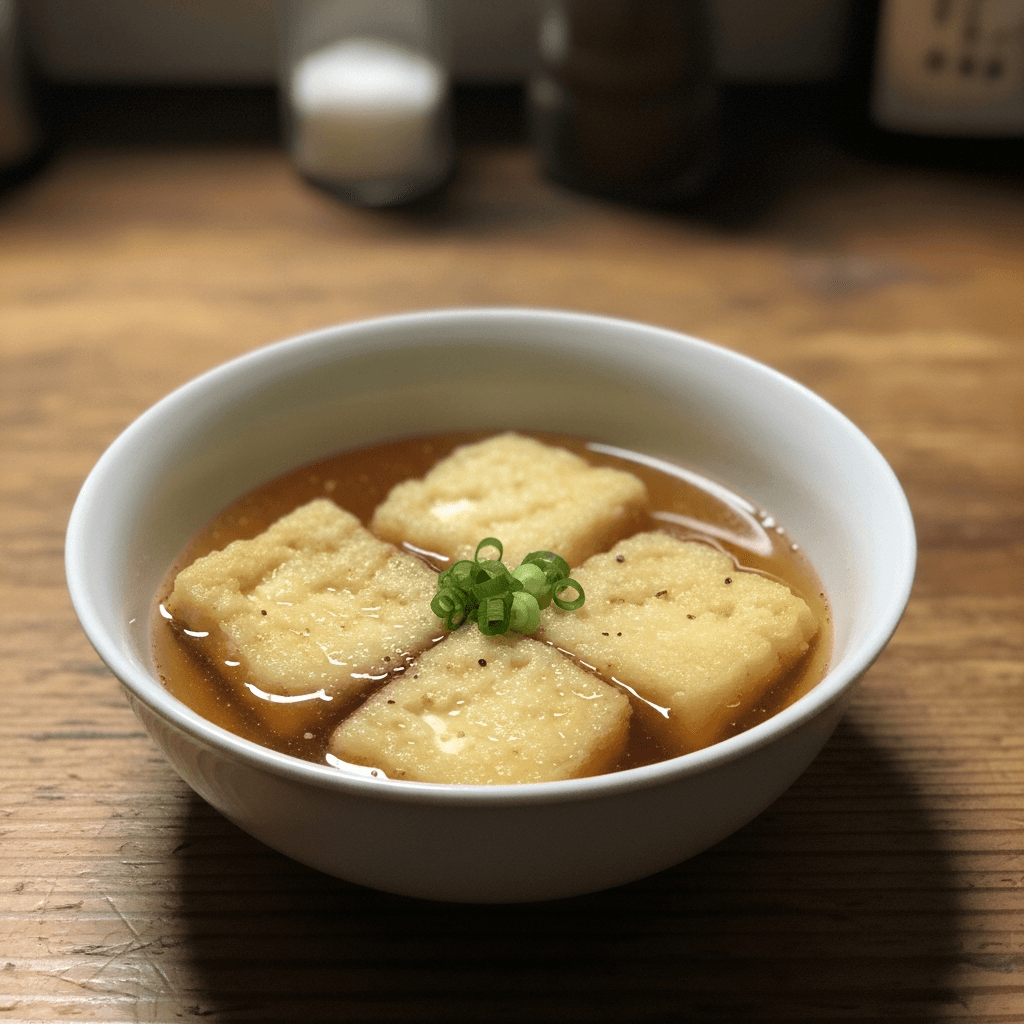
Crispy Agedashi Tofu in Warm Dashi
When I was a child in the countryside, my grandmother would serve small bowls of agedashi tofu on nights when the air smelled of woodsmoke and rice. The soft heart of the tofu, dusted in starch and fried until a thin crust sang when pierced, sitting in a warm, clear dashi — this memory still brings quiet contentment. I learned to move slowly in the kitchen from her, to treat each ingredient like an honored guest. Crispy agedashi tofu is simple and refined. The dish lives in the balance between textures and umami. The tender soy bean curd offers a gentle creaminess, the coating gives a fleeting crunch, and the dashi provides a savory, clean backdrop that lets the tofu speak. In washoku we respect seasonality; in spring I lean to milder garnishes, and in winter I deepen the dashi for comfort. This recipe is my mindful adaptation for sharing as a snack: not too large, meant to be savored between courses or alongside tea. As you make it, remember that every step is part of the offering. We slice against the grain of haste and listen to the small sounds, because cooking is a way to thank nature for each ingredient. Slow down with the water, the heat, and the oil. Good flavor takes time, and crispness rewards patience. I invite you to prepare this bowl with a calm heart and to enjoy each mouthful with gratitude.
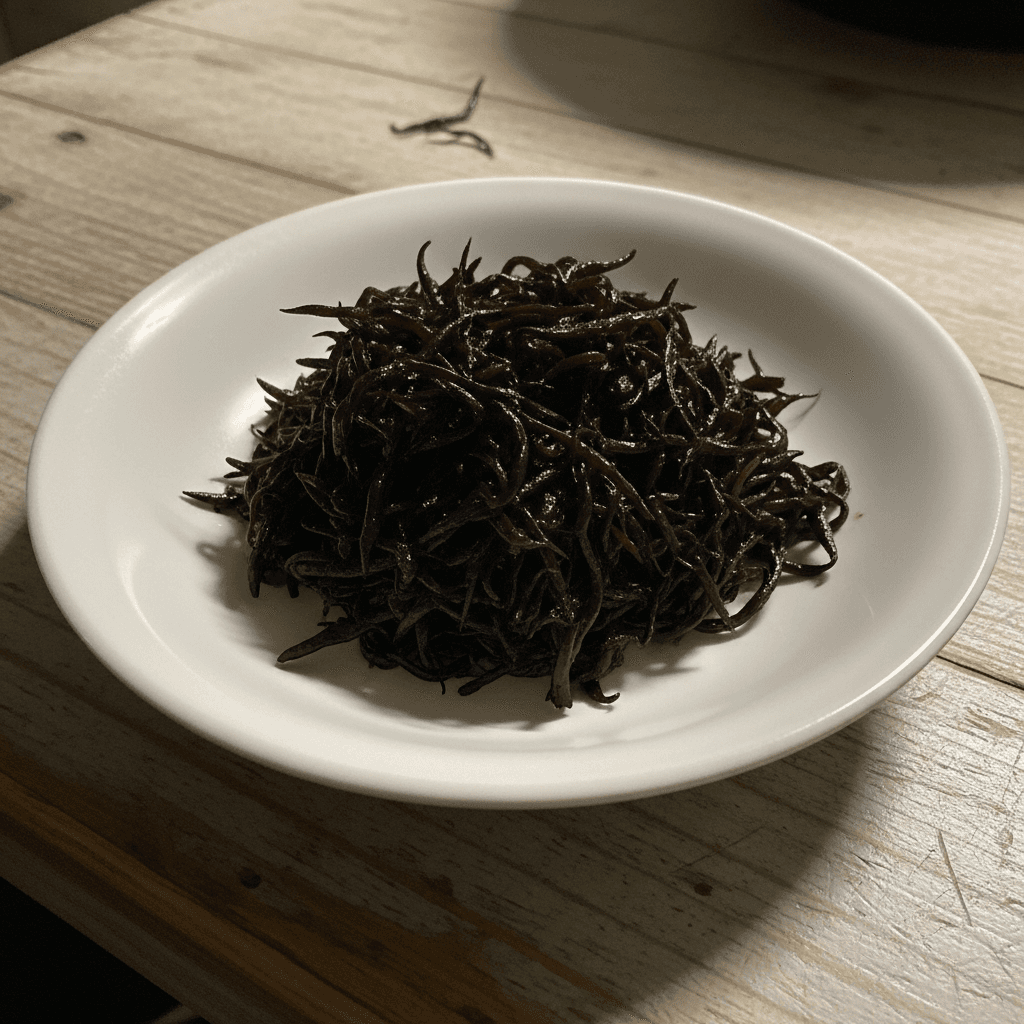
Sweet and Savory Tsukudani of Hijiki
When I was a boy, my grandmother would set out a small lacquer dish of hijiki tsukudani beside steamed rice and pickles. The little dish seemed modest, yet it held so much comfort. Sometimes we took it on picnics to the river near our countryside home. The sweetness and the sea scent always felt like a quiet festival for the palate. This sweet and savory tsukudani of hijiki celebrates umami and seasonality. Hijiki, gathered from the sea, is humble and rich in texture. We pair it with mirin, soy, and a touch of sugar to balance the ocean's depth with gentle sweetness. The result is concentrated flavor, perfect as a snack on a rice ball, a filling for onigiri, or a small accompaniment to tea. Washoku teaches us harmony with nature. We respect the ingredient by using clean water, gentle cooking, and restrained seasoning so the hijiki's character comes forward. Take a moment to appreciate the aroma as the liquid reduces, and notice how the texture becomes tender yet slightly resilient. This practice encourages patience and gratitude. Please move slowly, like preparing a small ritual. Good flavor takes time, do not rush the simmer. This recipe is small in scale and generous in spirit. Serve it in little dishes so each bite can be savored, and let it remind you of quiet gatherings and the richness of simple things.
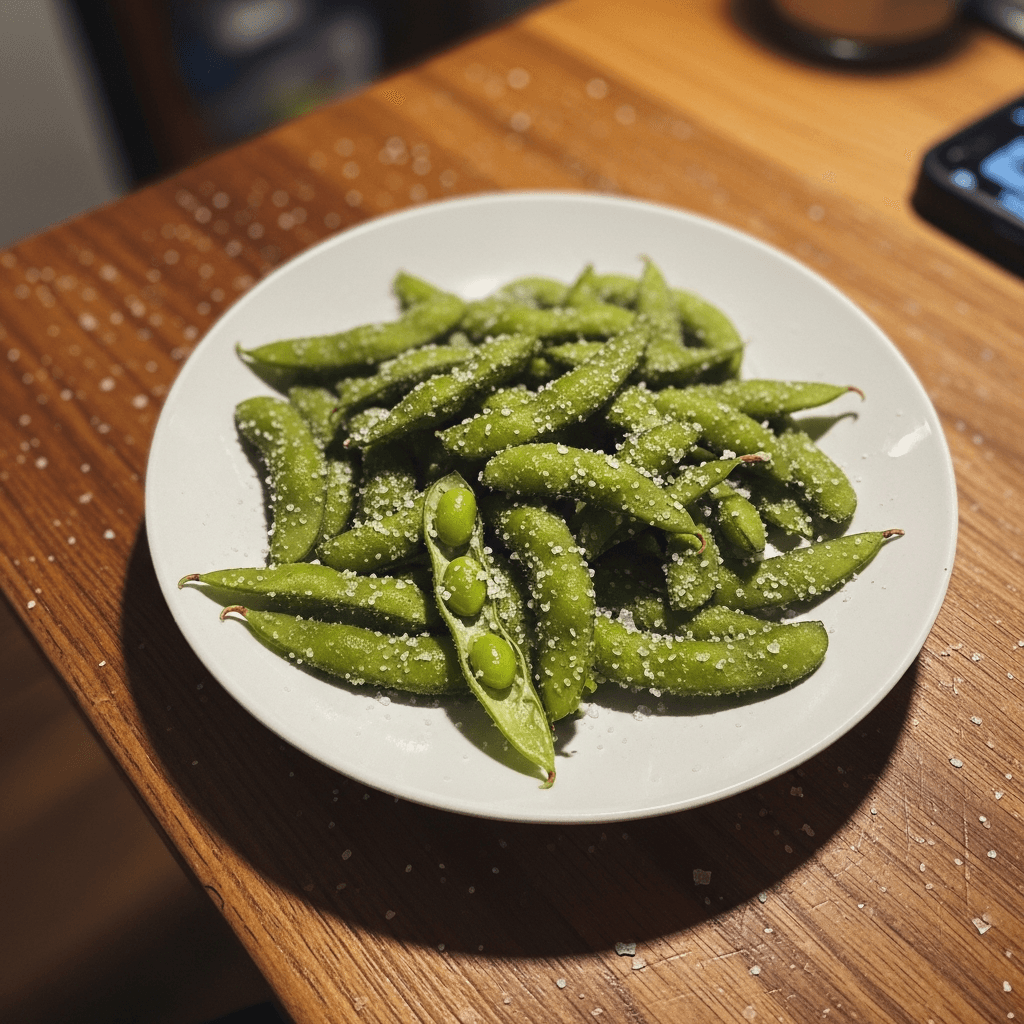
Crispy Edamame Beans with Sea Salt
When I was a young man visiting Kyoto in early summer, the stalls near Yasaka Shrine sold simple snacks to festival goers. One year I tasted a pan-crisped edamame that left an impression not because it was complicated but because it was perfectly balanced. The pods were bright, slightly sweet, and the crisped skins sang with toasted aroma. I returned home and, with my grandmother watching, adapted that memory into a small ritual for our family teas and quiet evenings. This recipe celebrates the principle of shun, the appreciation of an ingredient in its season. Fresh shelled edamame are full of gentle umami and a tender sweetness that rewards minimal intervention. We highlight that natural flavor with only a whisper of sea salt and a drop of toasted sesame oil. The result is a snack that is crunchy, nutty, and clean on the palate. Culturally, edamame is a humble companion to sake and tea, served at festivals and family tables alike. Its simplicity allows us to practice mindfulness while cooking. We pay attention to textures and sounds. We respect the ingredient by not overwhelming it. The crisping process intensifies its buoyant sweetness and offers a contrast of textures that brings quiet joy. Please move slowly. Good flavor takes time and gentle attention. Treat the beans with care. Listen for the sizzle, watch for the golden flecks, and allow each moment to be part of the meal. This snack is as much about the calm of making it as it is about the pleasure of eating it.
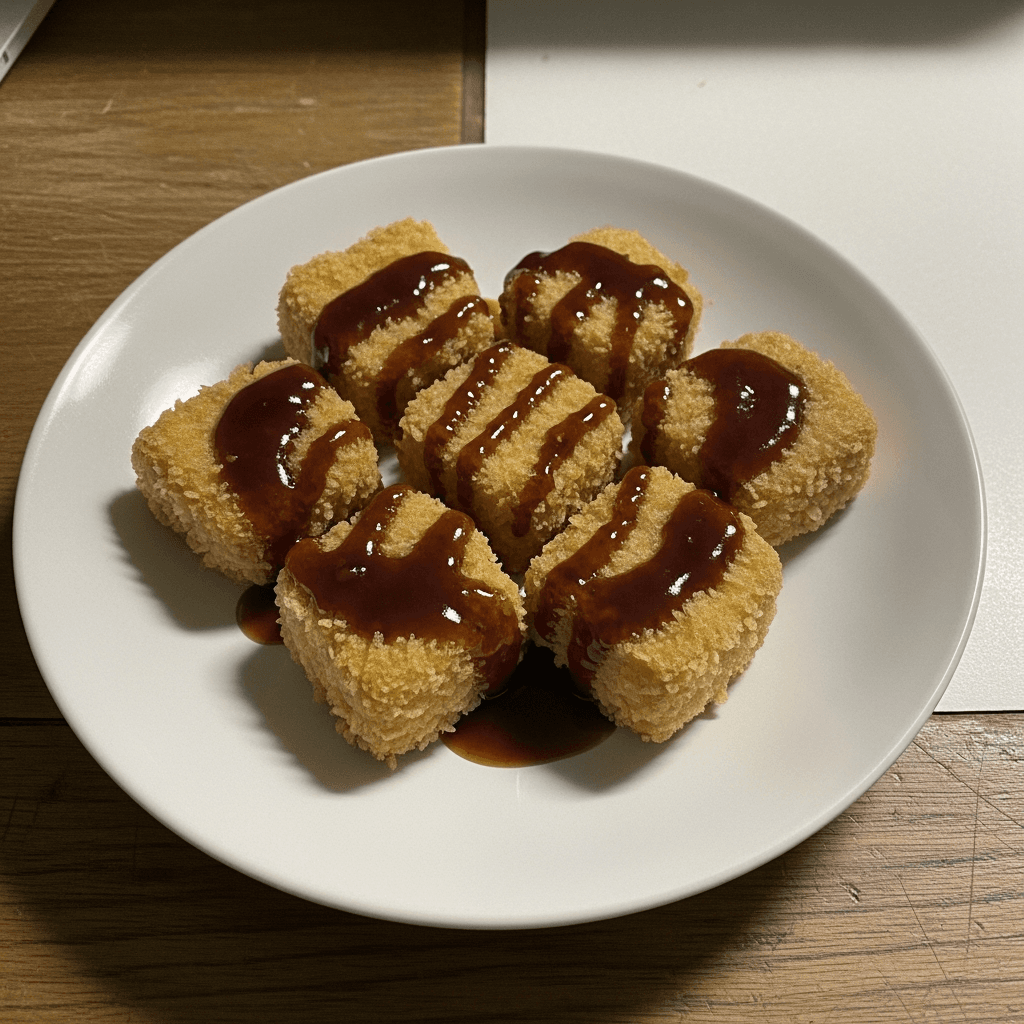
Crispy Tofu Katsu with Sweet Sauce
When my children were small I wanted a snack that felt like a festival treat yet was gentle on the body. One rainy afternoon I pressed firm tofu, coated it in panko and fried it until the crust sang. We ate the pieces warm with a sweet soy sauce, sitting quietly at the low table while the steam curled up like a soft memory. That is how this Crispy Tofu Katsu came to live at our table. This dish is a humble celebration of texture and umami. The contrast of the airy, silken tofu inside and the crunchy panko outside is the spirit of washoku: balance. The sauce brings sweet, salty, and a little tartness so each bite finishes cleanly on the palate. Use seasonal garnishes to honor shun; a little shredded cabbage in spring or pickled daikon in autumn will add freshness. We think in layers of taste. The tofu carries subtle sweetness of soy and sesame, while the panko offers toasty notes that deepen the umami. When you fry gently and mindfully you invite a calm rhythm into the kitchen. Good flavor takes time and attention, so treat each step like a small ritual. I invite you to slow your breathing, press the tofu patiently, and listen for the change in sound as the crust turns golden. Cooking is gratitude made visible. Serve this as a snack to share, and notice how the act of preparing food becomes a quiet gift to those who will taste it.