Desserts Recipes
Discover delicious desserts recipes
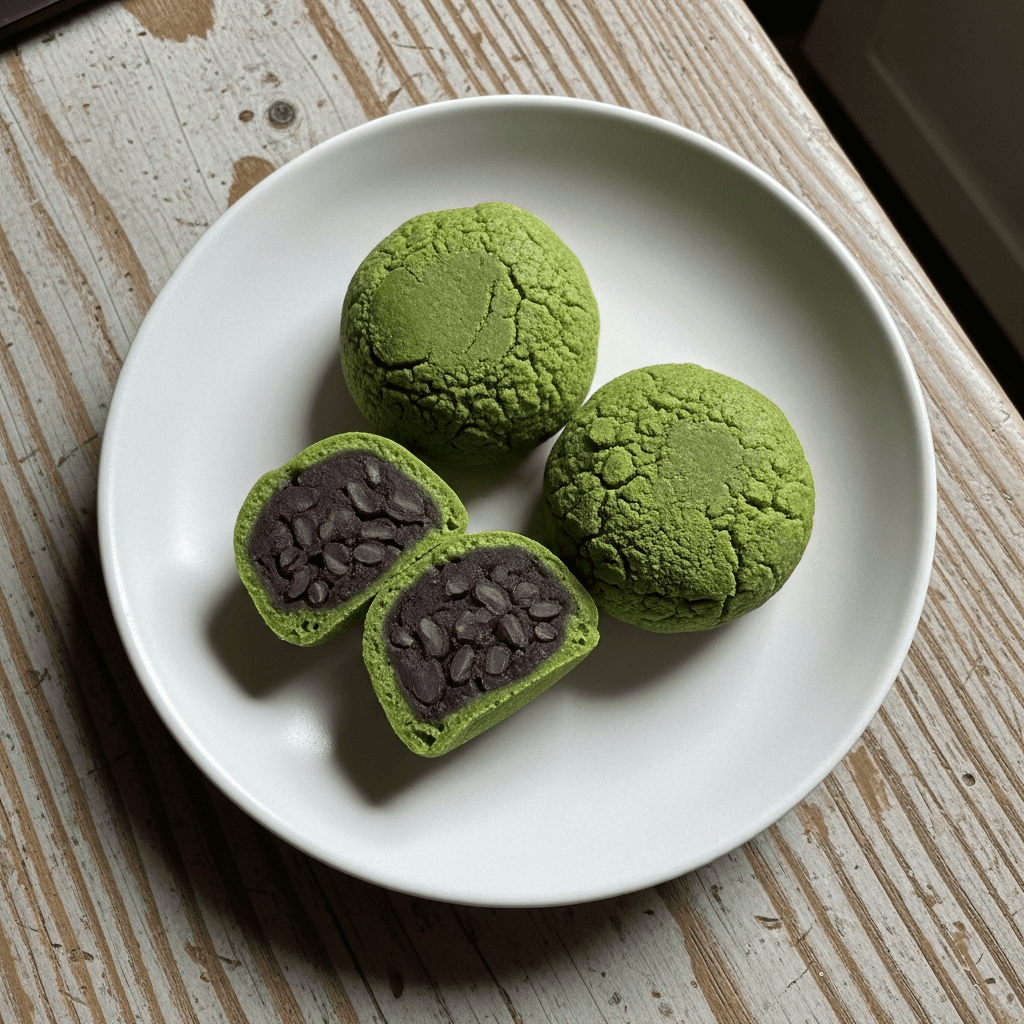
Delicate Matcha Mochi with Sweet Red Bean Filling
When I first made these matcha mochi it was early spring in Kyoto. The cherry trees were not yet in full bloom, but there was a gentle brightness in the air. I remember my grandmother in her countryside kitchen, the low wooden table dusted with rice flour, her hands moving slowly and kindly as she folded sweet red bean into warm mochi. This recipe is a quiet memory of that afternoon, adapted with a little modern ease so you can make it at home. Matcha brings a green, vegetal brightness that balances the gentle sweetness of anko, the sweet red bean paste. In Washoku we think of balance: color, texture, and taste. The matcha offers subtle bitterness and umami while the anko brings sweetness and a soft, creamy texture. Together they create a harmony that asks you to slow down and appreciate each mouthful. Please take the time. Cooking mochi is a meditation. We listen for the steam to sing softly. We watch the dough become translucent and elastic. These small acts show gratitude to the ingredients and to the seasons. Good matcha is seasonal in its own way - choose fresh, vibrant powder for the cleanest aroma. This recipe is gentle enough for a calm afternoon, yet precise enough to teach you the rhythm of making mochi. As you shape each ball, remember we eat with our eyes and our hands. Arrange them simply, leave space on the plate, and let the colors speak. The process is as important as the pleasure of eating.
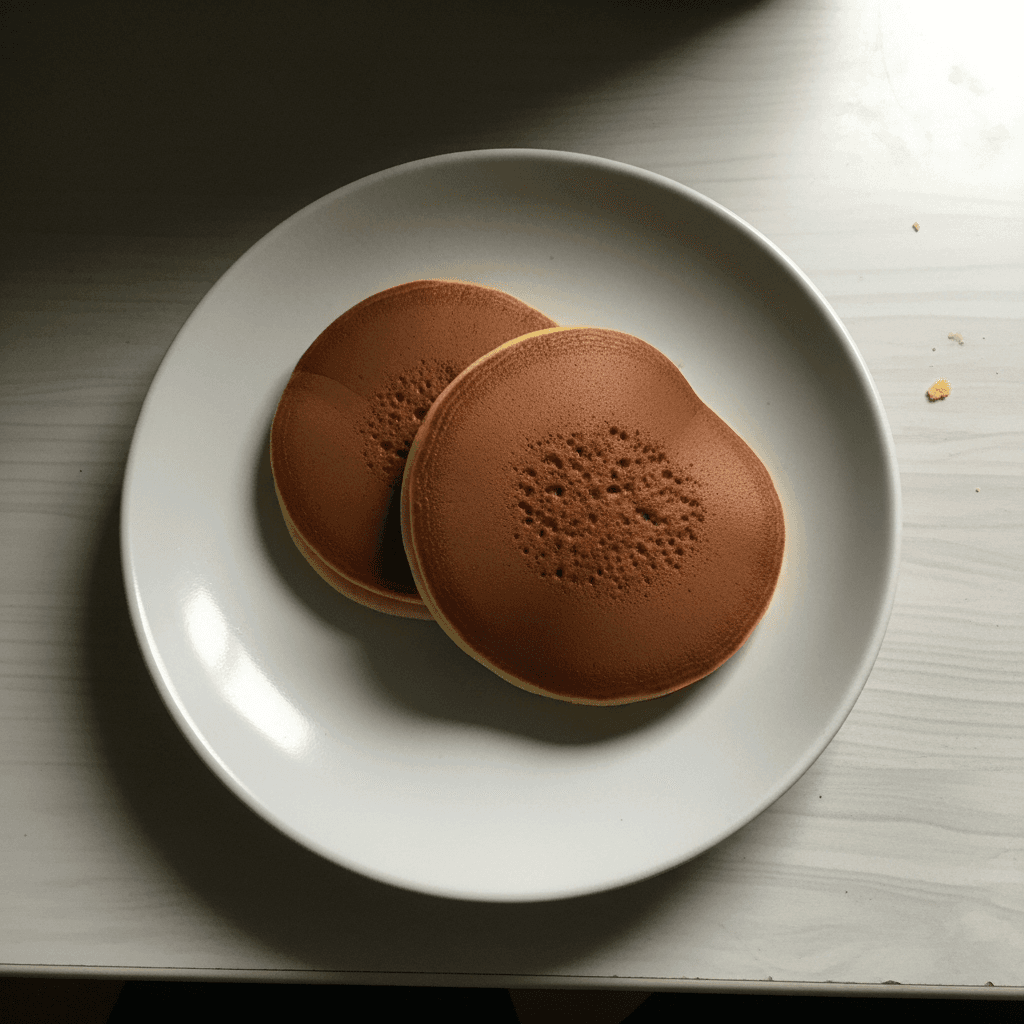
Classic Dorayaki Pancakes with Sweet Red Bean
When I was a child I remember running through a summer market in my hometown, the scent of grilled sweets drifting from a stall where an old woman sat frying small golden discs. She would smile and fill each pair with warm anko, then hand them to us wrapped in paper. Dorayaki became for me a memory of simple joy and seasonal festivals, the kind of comfort you keep in your pocket and take out on rainy afternoons. This recipe is my quiet homage to that memory. Dorayaki are two soft pancakes joined with sweet red bean paste. The flavor is gentle but layered. The batter is slightly caramelized from sugar and honey, and the anko brings a deep bean sweetness with a touch of salt to lift the taste. There is also a subtle umami note when a splash of soy is used, reminding us that umami lives in sweet places as well. Washoku teaches us to honor the ingredients and the season. When azuki beans are at their best, the anko feels light and fragrant. If you must use store bought anko, choose one with whole beans for texture, or a smoother koshian for a refined mouthfeel. Take pleasure in the rhythm of making them: soaking, simmering, sweetening. Good flavor takes time. Do not rush the simmering of azuki. Let patience sweeten the beans. I invite you to slow your breath and your hands as you cook. Notice the batter as it rests, how the bubbles form, how the pan sings when the pancake is ready to turn. Cooking is a meditation and a way of saying thank you to nature. These dorayaki are a small banquet of that gratitude. Share them with someone, or savor one alone with tea and a quiet mind.
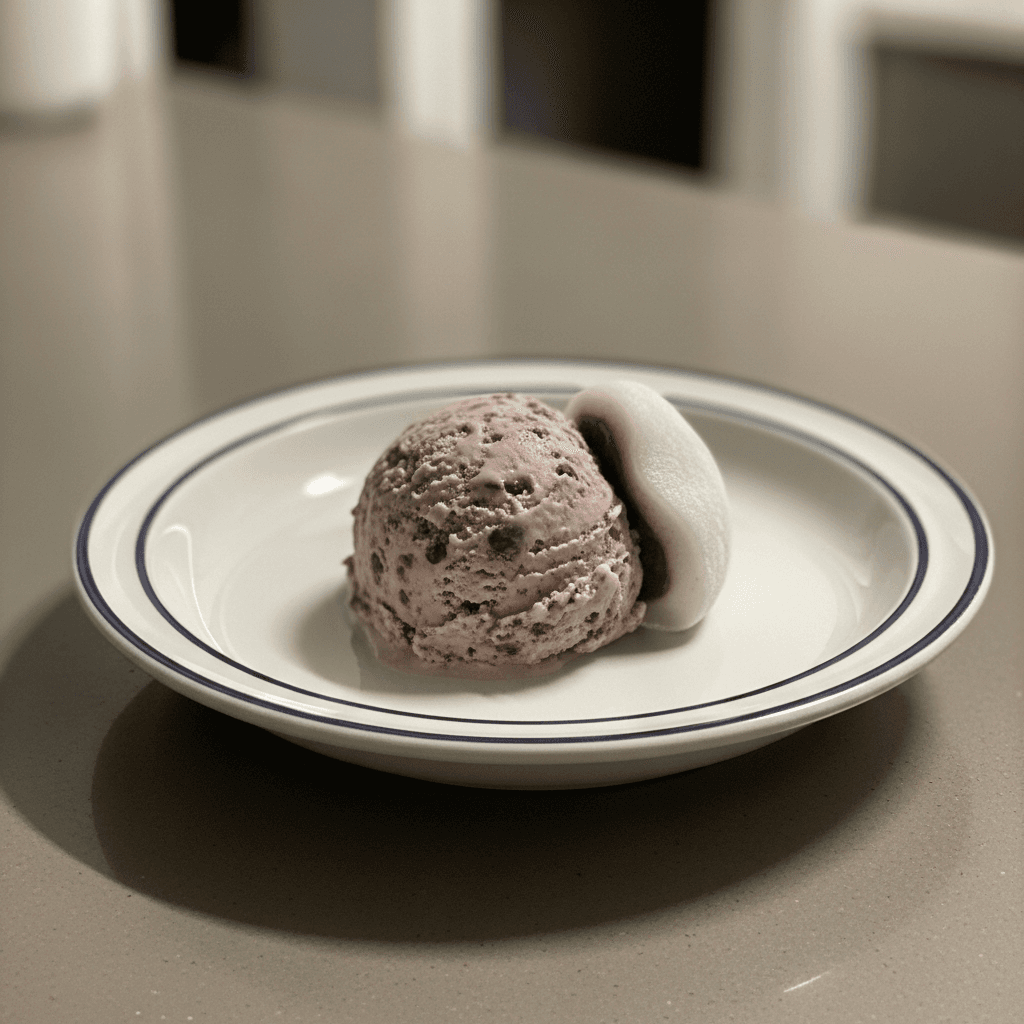
Sweet Red Bean Mochi Ice Cream
When I was a boy I remember festival evenings in Kyoto when a stall sold small round confections that tasted like summer nights and quiet laughter. Later, at my grandmother s countryside home, she would press cool anko between soft mochi for us to share with green tea. This dessert blends those memories with a playful modern touch: a bite of cold ice cream embraced by warm, pliant mochi and a whisper of sweet red bean. Making these by hand feels like keeping a small tradition alive. Sweet red bean mochi ice cream is a meeting of textures and seasonality. The azuki bean paste brings earthiness and balanced sweetness while the ice cream adds cool creaminess. The mochi wrapper is tender and slightly chewy, and it speaks to the Japanese idea of harmony, washoku. In this recipe we honor umami not only through savory foods but through balanced sweetness and depth of flavor; good azuki paste has a gentle savory backbone that keeps it honest. Take this process slowly. Chill the ice cream until firm so the shapes hold. Treat the mochi dough gently and keep it covered so it does not form a skin. Each step is a small meditation. We slice, scoop, wrap and chill with intent. In this quiet work you practice gratitude for ingredients and for the people who will share the dessert. If you have time, choose seasonal ice cream flavors or locally made azuki paste. A simple vanilla or milk ice cream will highlight the red bean. When you serve, let each piece rest briefly so the mochi regains its gentle softness. This is dessert as both comfort and ceremony.
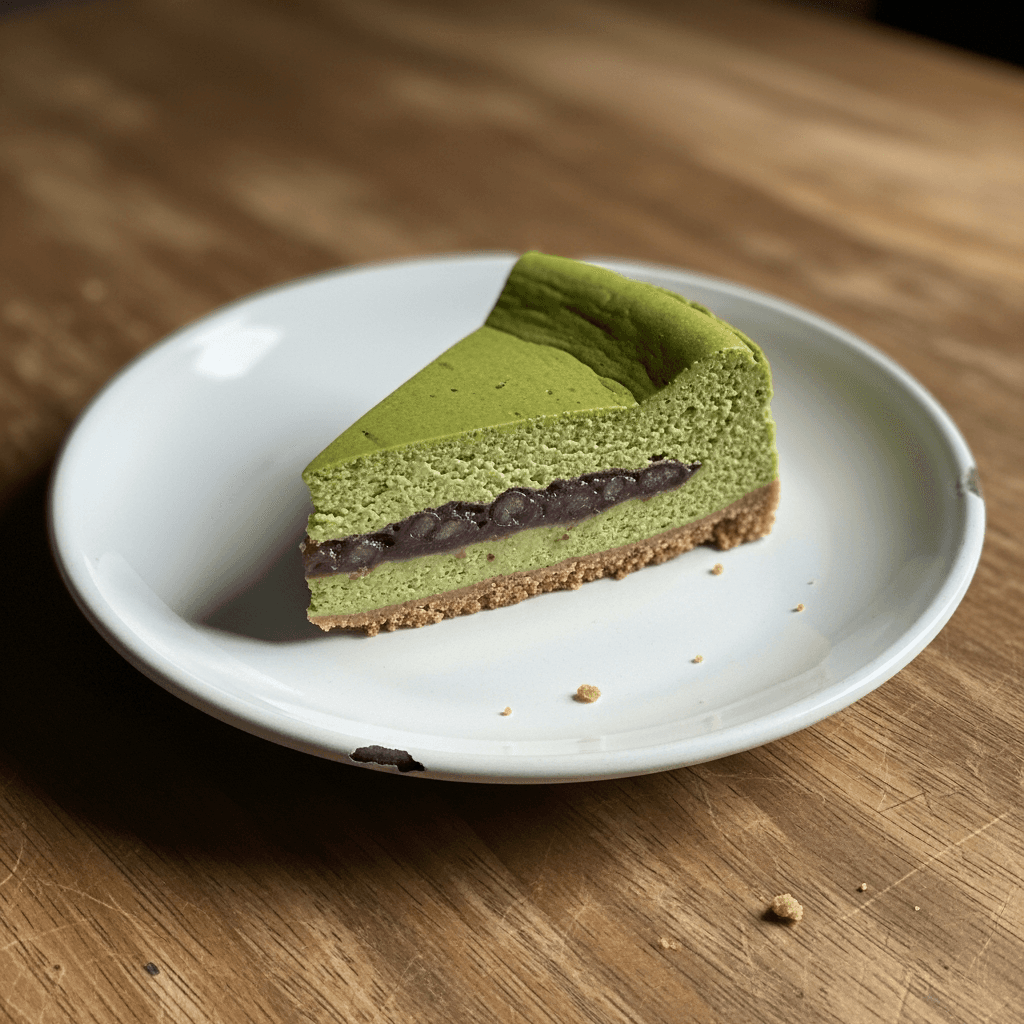
Delicate Matcha Cheesecake with Red Bean
When I first made this matcha cheesecake, it was for a quiet afternoon with my niece after a visit to a temple garden in Kyoto. The green of the matcha reminded her of the moss on stone lanterns and the soft sweetness of anko warmed our hands like a small comfort. I like to think of this cake as a bridge between tradition and the comfort of family. Each slice carries a memory of steeped tea, crisp autumn air, and slow conversation. Matcha brings a gentle, earthy umami that lifts the cream cheese instead of overpowering it. The red bean paste, or anko, offers a slow, rounded sweetness that echoes traditional wagashi. In Washoku we seek balance, and this dessert is a study in balance: a silky filling, a tender crumb, and a sweet bean garnish that honors seasonality and restraint rather than excess. Use matcha in its shun when possible, and choose anko made from lightly sweetened azuki for harmony. Take the process slowly. We temper the cream cheese, fold with care, and give the batter time to settle. Good flavor takes time. When steaming or baking with a bain-marie we are practicing patience; the gentle heat rewards us with a texture both delicate and resilient. Let the aroma of toasted biscuit crust and warm matcha carry you into a quiet rhythm. Serve each slice with gratitude. Allow your guests to taste the different layers in order: the faint salt of the crust, the lush umami of matcha in the filling, and the soft, comforting anko on top. Present simply, with a small cup of green tea if you can, so the palate rests between bites and the spirit of the ingredients is honored.
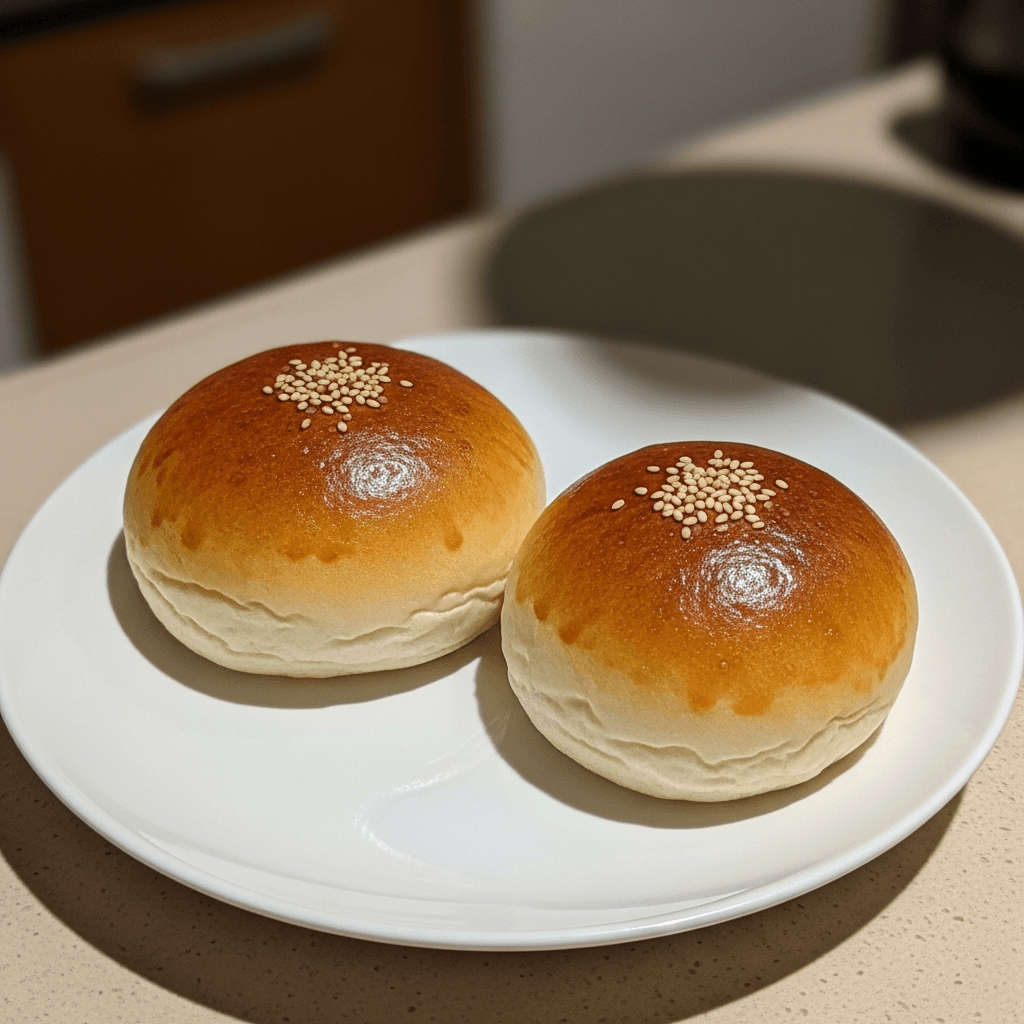
Sweet Adzuki Bean Paste Buns (Anpan-style)
When I was a boy visiting my grandmother in the countryside, she would warm the oven and fold her hands for a moment before we began. The smell of simmering adzuki beans would fill the kitchen like a small, gentle festival. These sweet adzuki bean paste buns carry that quiet memory. I call them my anpan-style buns because they marry the soft, tender dough of a sweet roll with the earthy sweetness of homemade tsubuan or koshian. In Japan, adzuki beans are more than an ingredient. They mark celebrations, seasonal rituals, and simple comforts. The paste is balanced between sweetness and the deep, savory notes that come from the beans themselves. This balance reflects the spirit of Washoku where sweetness is tempered by texture and subtle umami. When you taste the paste, notice the grain and the warmth. Let it be familiar and new at once. Cooking this recipe is a meditation. We soak the beans patiently, cook them slowly, and knead the dough with intention. Good flavor takes time, so do not rush the simmering or the first proof. The aroma itself will teach you when the beans are tender and when the dough is ready to rest. Each step invites you to be present. I encourage you to honor the season with this dessert. In spring, serve the buns slightly warm with green tea to celebrate new beginnings. In winter, enjoy them with a warm bowl of matcha or roasted tea for comfort. Prepare these buns as an offering to your own calm. The practice of making anko and shaping buns is itself a quiet celebration of nature's bounty.
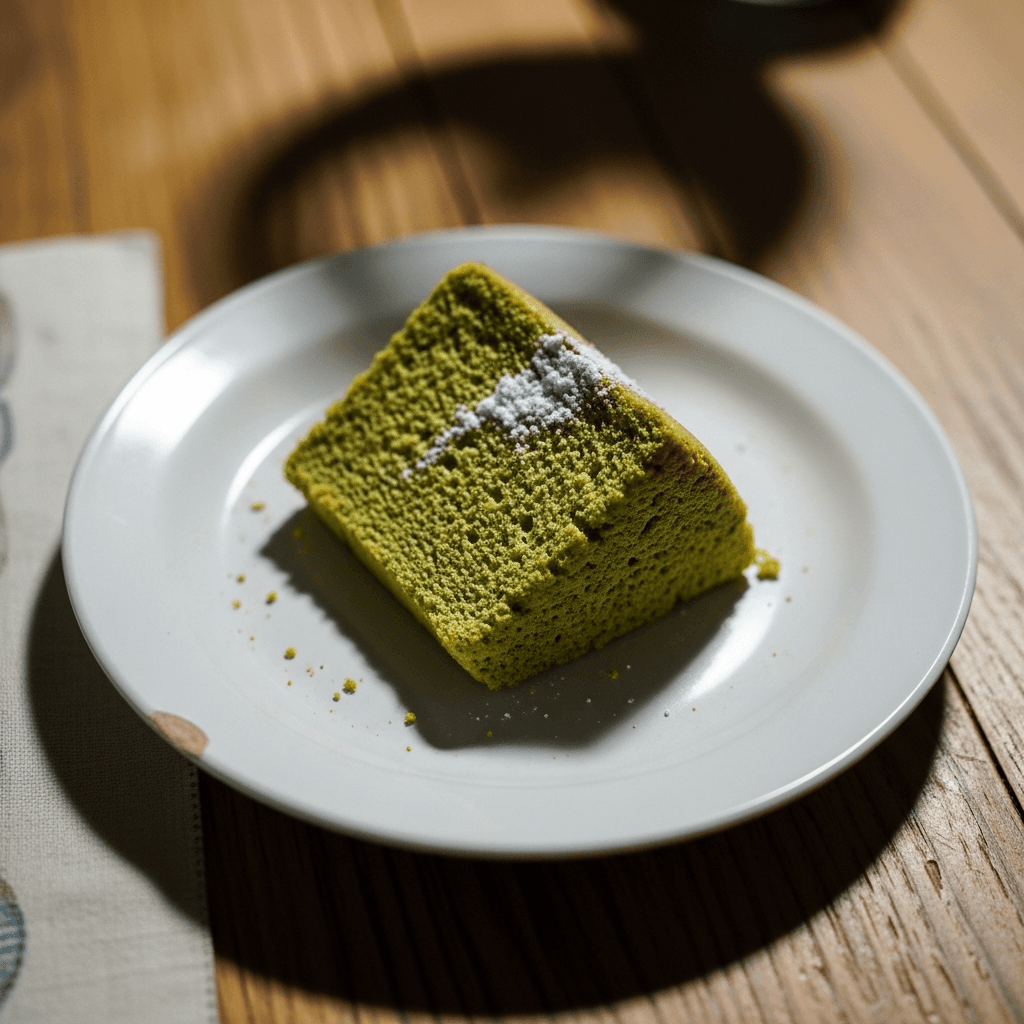
Matcha Chiffon Cake Delight
When I first made this Matcha Chiffon Cake, I was thinking of a quiet spring morning in Kyoto, walking beneath the pale green of newly opened tea leaves. The cake is airy like the steam rising from a bowl of matcha, and the gentle earthiness of the tea lifts the spirit in the same way a thoughtful tea ceremony does. I made a simple version for my children, then refined it slowly, respecting balance until it felt complete. Matcha brings umami and a fragrant bitterness that softens when paired with light sweetness and velvet crumb. The chiffon method gives the cake a cloudlike texture that celebrates seasonality. In spring we serve it with small fresh berries. In colder months, a little candied yuzu brightens the plate. The idea is not to overwhelm matcha but to honor its voice. As you work, notice how the whisk sounds and how the batter moves. Chiffon asks for patience. We whip the whites with calm attention, fold with respect, and bake with steady heat. Each action is a small gratitude to the ingredients, and the result is a dessert that is gentle and honest. Take your time. Slow down the rinsing of your sieve. Sift the matcha into the flour to avoid lumps. Listen for a soft but steady oven hum. This is not only a recipe. It is a moment to practice care, to feed body and mind with balance and warmth.
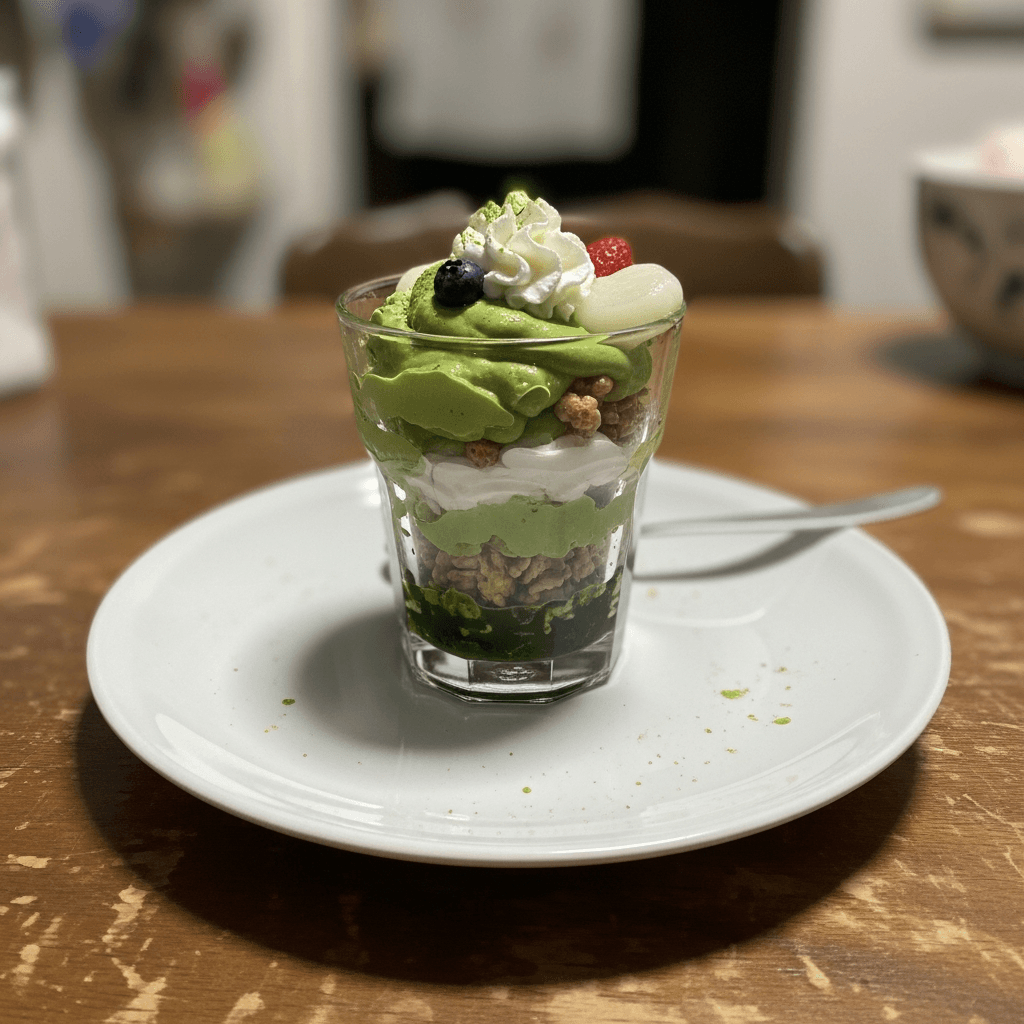
Matcha Green Tea Parfait Delight
When I was young I visited Kyoto in early spring. Cherry trees were waking and tea houses smelled of warm matcha. This parfait began as a small experiment to capture that calm moment between seasons. I layered soft matcha pudding with sweet azuki, tender shiratama dango and a light cloud of whipped cream. My family ate it slowly, smiling, as if the parfait was a small ceremony. This dessert carries the gentle bitterness of matcha balanced with the sweet earthiness of azuki beans and the soft chew of mochi. In Washoku we seek harmony between flavors, textures and colors. Matcha brings umami as well as green aromatics. Azuki adds a grounded sweetness. Each layer is meant to be savored so the whole becomes greater than its parts. Please move slowly. Measure and whisk with intention. Allow the pudding to rest and the flavors to settle. Good technique reveals the spirit of the ingredients. We slice against the grain of haste so the textures remain true and the taste becomes clear. This is both a homage and a modern adaptation. Use seasonal azuki if you can, and choose a matcha that speaks kindly to your palate. The act of assembling a parfait is quiet and meditative. Let each spoonful remind you that cooking is gratitude made visible.
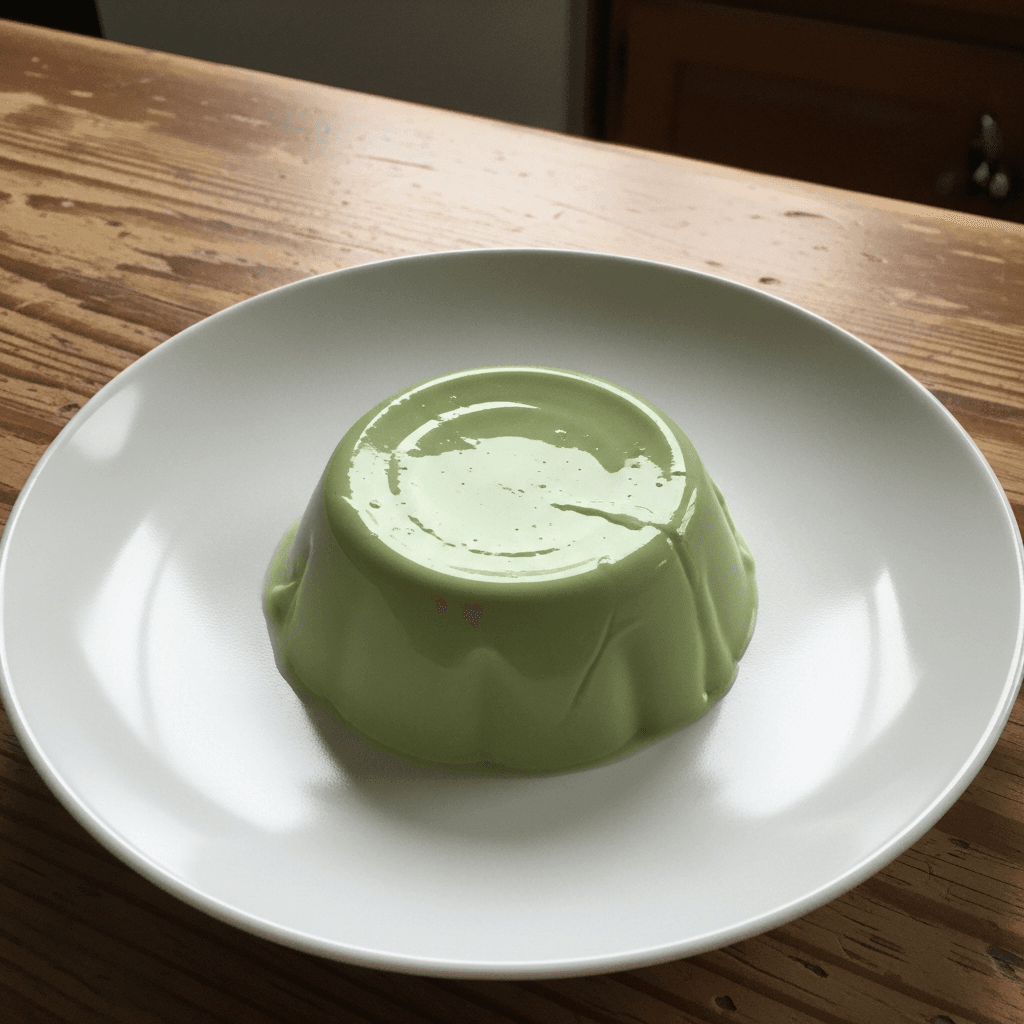
Silken Matcha Tofu Pudding
When I first made silken matcha tofu pudding, it was a quiet evening in my small Kyoto kitchen. I was thinking of my grandmother who served simple sweets after a long day of rice planting. She prized restraint in flavor and texture, so I learned to trust soft things: the cool silence of tofu, the green whisper of matcha, and the gentle sweetness that supports rather than overwhelms. This pudding is a memory of summer festivals where children balance bright flavors with calm, and of tatami rooms where dessert is a moment of reflection. Matcha brings a green bitterness and umami that is best when paired with the clean, creamy body of silken tofu. Together they create harmony, a central principle of washoku, where balance of taste, texture, and appearance is honored. We use minimal setting agent so the pudding retains silkiness. The matcha should be good quality, though not necessarily the very highest ceremonial grade; clarity of aroma matters more than loudness. Take time to sift and bloom the matcha, and to warm the agar gently so it dissolves cleanly. Good flavor takes time, so do not rush the cooling and the quiet that follows. Please move slowly and with kindness. Cooking can be a meditation, a way to show gratitude for the ingredients. As you stir and wait, notice the color deepen, the aroma rise, and the change in texture. This is not only dessert, it is a short practice of attention and balance.
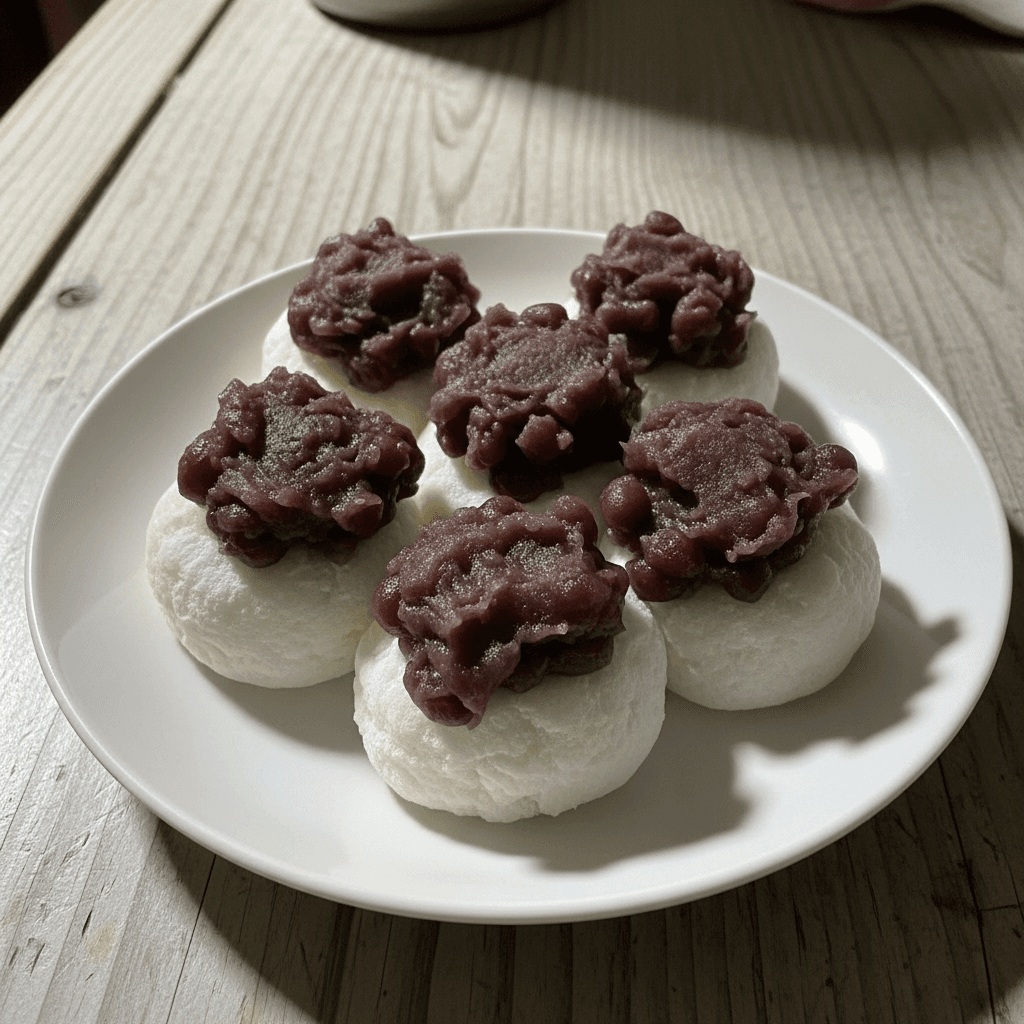
Fluffy Mochi Rice Cakes with Sweet Red Bean Paste (Anko)
When I was a child I remember the winter festivals in Kyoto and the small stall that always steamed mochi until the steam smelled like warm rice and comfort. This recipe brings that memory home. I first made these fluffy mochi rice cakes for my family on a rainy afternoon, folding warm anko into the center of each cake while my wife brewed green tea. The kitchen felt like a small temple of quiet work and simple joy. Mochi and anko are humble ingredients that carry much history. The soft chew of mochi balances the gentle sweetness and earthy depth of azuki beans. In Washoku we honor the balance of texture and flavor. The slight salt and the toasted aroma of kinako or sesame lift the sweetness. There is also umami in the beans and a satisfying mouthfeel in the rice, which together create a comforting harmony. This recipe asks you to slow down. Good mochi is made with patience. When you steam the rice flour mixture we listen for the changing sound of steam and feel the dough become glossy. We shape the cakes with calm hands. The process is a meditation, a way to thank the grain and the bean for their seasonal bounty. Take your time and be gentle. Respect the ingredients by using good quality mochiko and a smooth anko, or make your own anko when adzuki beans are in season. The reward is a simple, elegant dessert that invites conversation, quiet reflection, and the pleasure of eating with the senses fully awake.
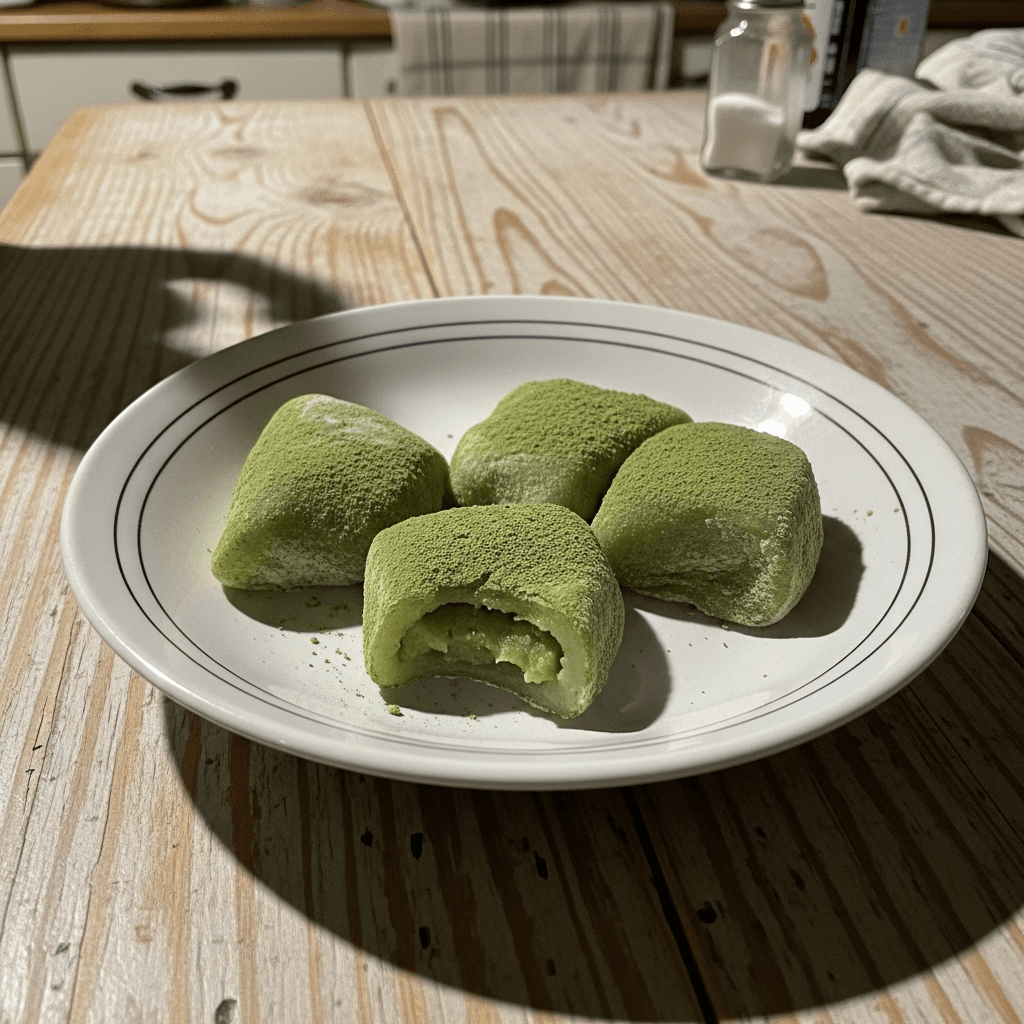
Delightful Matcha Green Tea Mochi
When I was a young man visiting my grandmother in the countryside, she would press warm mochi into my small hands and smile as the matcha aroma rose like a quiet morning. This blend of tender chew and subtle green tea bitterness became for me a lesson in balance. I call this recipe Delightful Matcha Green Tea Mochi because it is both humble and celebratory, perfect for sharing at a tea moment or a small family gathering. Matcha brings a vegetal umami and a gentle astringency that pairs beautifully with sweet anko, the red bean paste. In Washoku we pay attention to shun, the seasonality of ingredients. In spring or early summer, a brighter, fresher matcha sings; in cooler months a slightly deeper roast matcha is comforting. The texture of the mochi should be soft and slightly elastic, a tactile reminder of patience and care. This preparation uses shiratamochiko to achieve a tender chew and a steamed cooking method that invites stillness. As you make it, listen to the steam, feel the dough become glossy and springy, and taste for balance between sweetness and matcha bitterness. Cooking can be a form of meditation when we allow each step its due time. Invite your family or friends, prepare a small pot of green tea, and place these mochi on a simple plate. We eat with our eyes first, so place them with calm intention. Enjoy the process as much as the result. Good flavor takes time, do not rush the dashi of life that is patience in the kitchen.
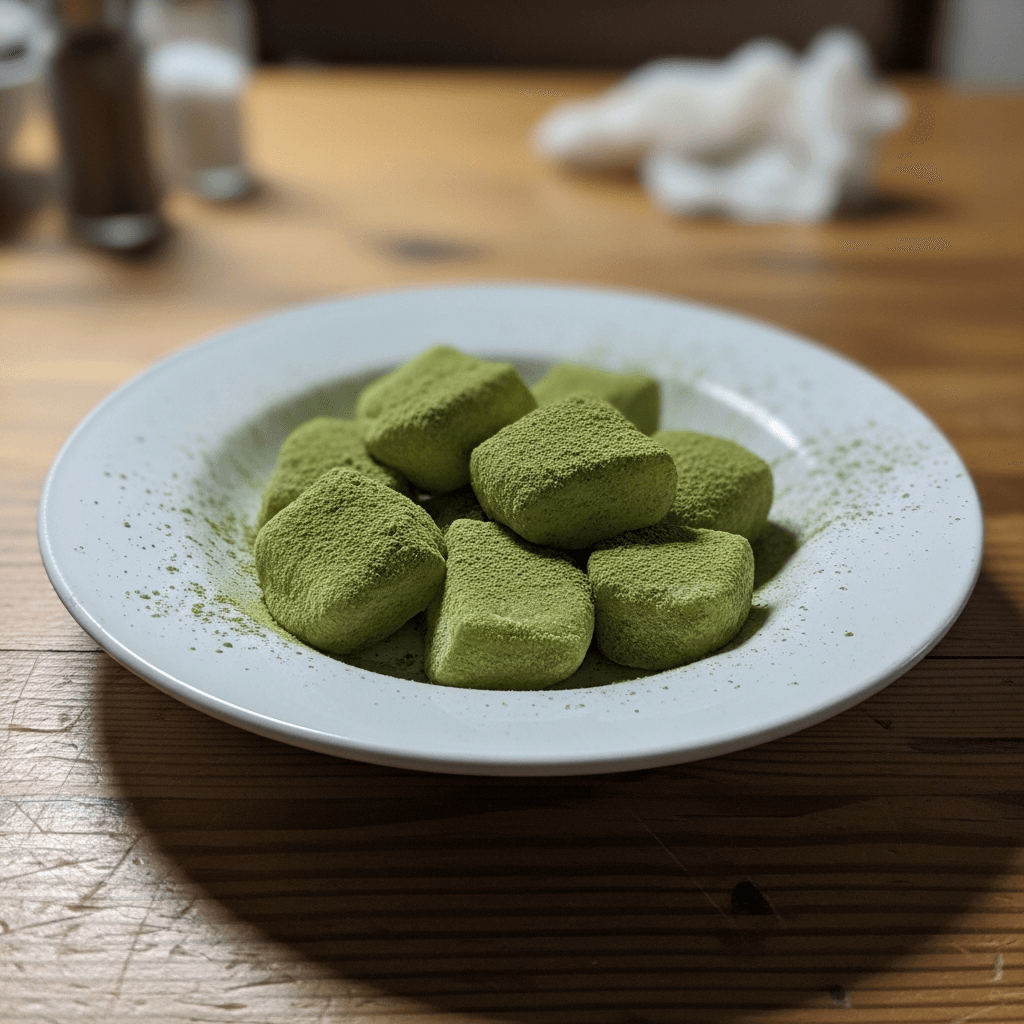
Traditional Matcha Mochi Delight
When I was a boy visiting my grandmother in the countryside near Kyoto, she would press a handful of warm mochi into my palm and smile. The mochi was simple, dusted with kinako or wrapped around a spoonful of sweet azuki. The green of matcha was rare in her kitchen then, saved for special tea. Years later I began to blend that memory with matcha of the new season, balancing the bitter leaf with the gentle chew of mochi. This recipe is that memory and that small experiment, offered to you with a quiet heart. Matcha mochi sits between texture and taste. The chew of the mochiko, the vegetal brightness of matcha, and the sweet depth of anko form a harmony that is both humble and refined. In Washoku we honor shun, the season, so use a fresh matcha if you can. Ceremonial grade will give a brighter aroma, while culinary grade is forgiving and still beautiful in dessert. This is a dessert that invites patience. Good mochi requires attention to heat and timing. We steam or gently microwave the rice flour mixture so it cooks evenly and acquires the right elasticity. We do not hurry the cooling, nor the shaping. Taking the time is part of the offering we make to the ingredient and to the person who will eat it. As you make this, please slow your breath and listen to the small sounds of the kitchen. The steam, the faint crispness when the kinako is toasted, the light scent of matcha as it blooms in water. Cooking is a meditation and a gift. Let this matcha mochi be a moment to practice gratitude for simple, seasonally minded flavors.
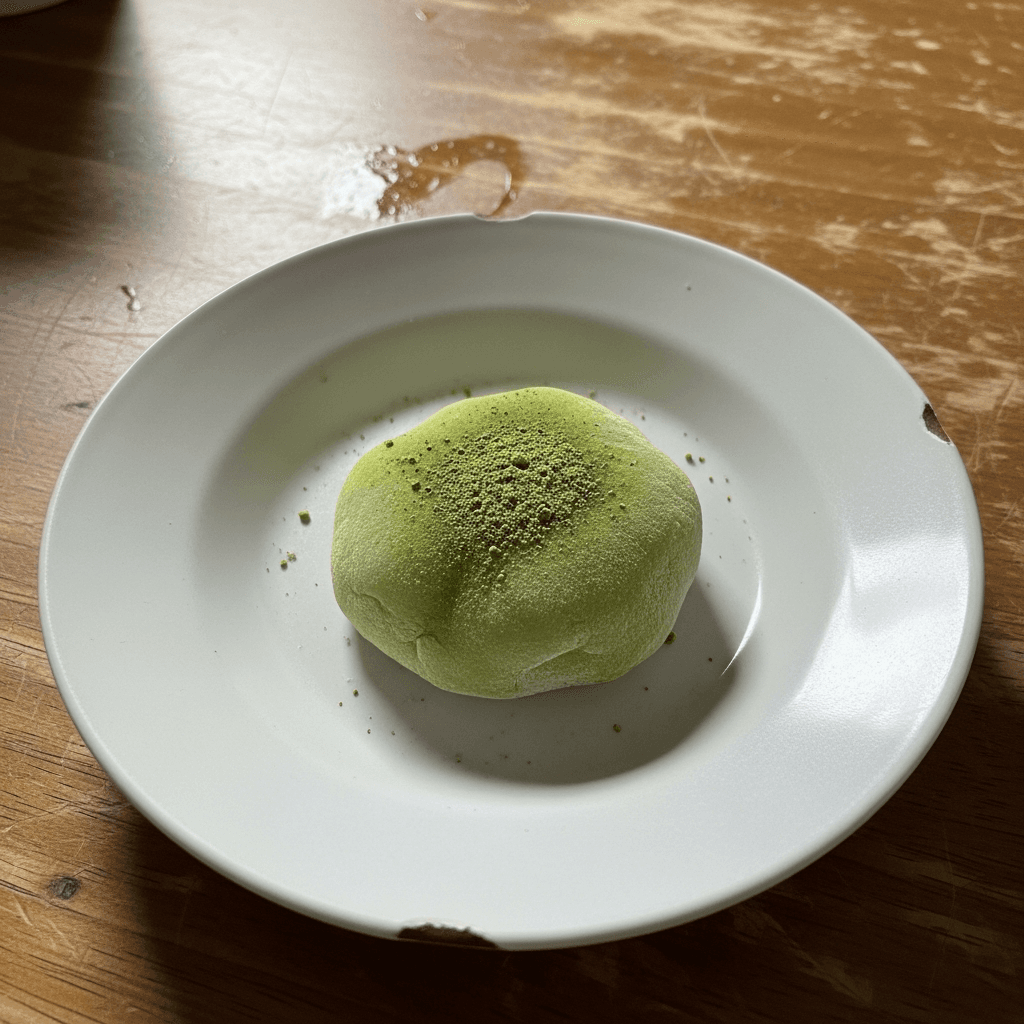
Matcha Mochi Delight
When I first made Matcha Mochi Delight, it was a quiet afternoon in Kyoto, the rain gentle and steady beyond the paper shoji. I remember my grandmother teaching me how to knead mochi with a calm patience that felt like a small ritual. She smiled as the pale green dough took on a glossy, elastic life. This recipe is a modern memory of those slow moments, adapted for the home kitchen so you may find the same calm joy. Matcha gives the mochi a fragrant bitterness that balances the sweet anko within. In Washoku we honor balance of taste and season. The slight umami of high quality matcha, the gentle sweetness of red bean, and the silky chew of mochi are in harmony. Use matcha that smells fresh and bright, and sweet bean paste that is smooth and not overly sweet so the flavors can sing together. Take your time with the dough. We are not racing heat, we are inviting texture. Bring water to a gentle heat, stir until the mixture turns translucent and glossy. Listen for the subtle change in sound as the pot quiets and the mochi thickens. These are small signals that guide your hands and heart. When you shape the mochi, work with clean palms dusted lightly with starch. The shaping is a mindful gesture. Each ball is a small offering to yourself or your guests. Enjoy the process, breathe as you fold the dough around the anko, and remember that good food rewards patience.