Dinner Recipes
Discover delicious dinner recipes
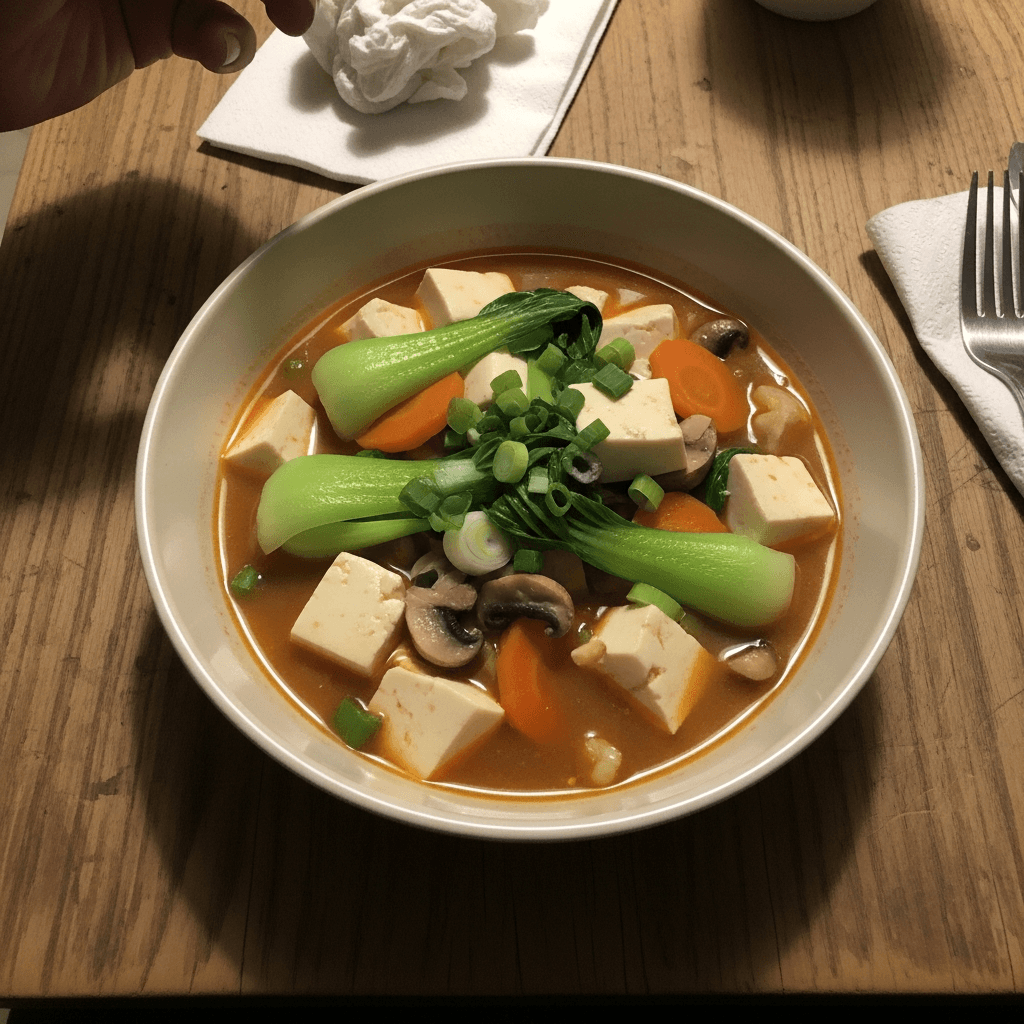
Silken Tofu Stew with Seasonal Vegetables
When I first made this silken tofu stew, it was a rainy evening in the countryside where my grandmother kept a small pot always ready on her stove. She served small bowls of warm stew to guests who arrived unexpectedly, and each bowl felt like a soft, grounding embrace. This dish reminds me of those quiet dinners, where conversation measured itself in spoonfuls and the steam carried the scent of mushrooms and toasted sesame. In Kyoto, there is a reverence for shun, the season of ingredients. I choose vegetables that are at their best now so each bite sings with clarity. Silken tofu provides a delicate silkiness that carries the dashi and miso, while seasonal vegetables add texture and color. The dish is gentle, but the umami from kombu dashi and miso gives it depth without heaviness. We cook this stew as an act of gratitude. The technique is simple but deliberate. We warm the broth slowly, add vegetables to respect their texture, and cradle the silken tofu so it does not break. Good food asks us to slow down. When you listen to the simmer and inhale the aroma as flavors meld, you practice a small meditation. Make this stew for dinner when you wish to calm the day. Invite balance to the table by pairing it with steamed rice and a small pickled side. Treat each step with patience and respect, and the bowl you set before yourself will feel like a warm invitation to rest and be thankful.
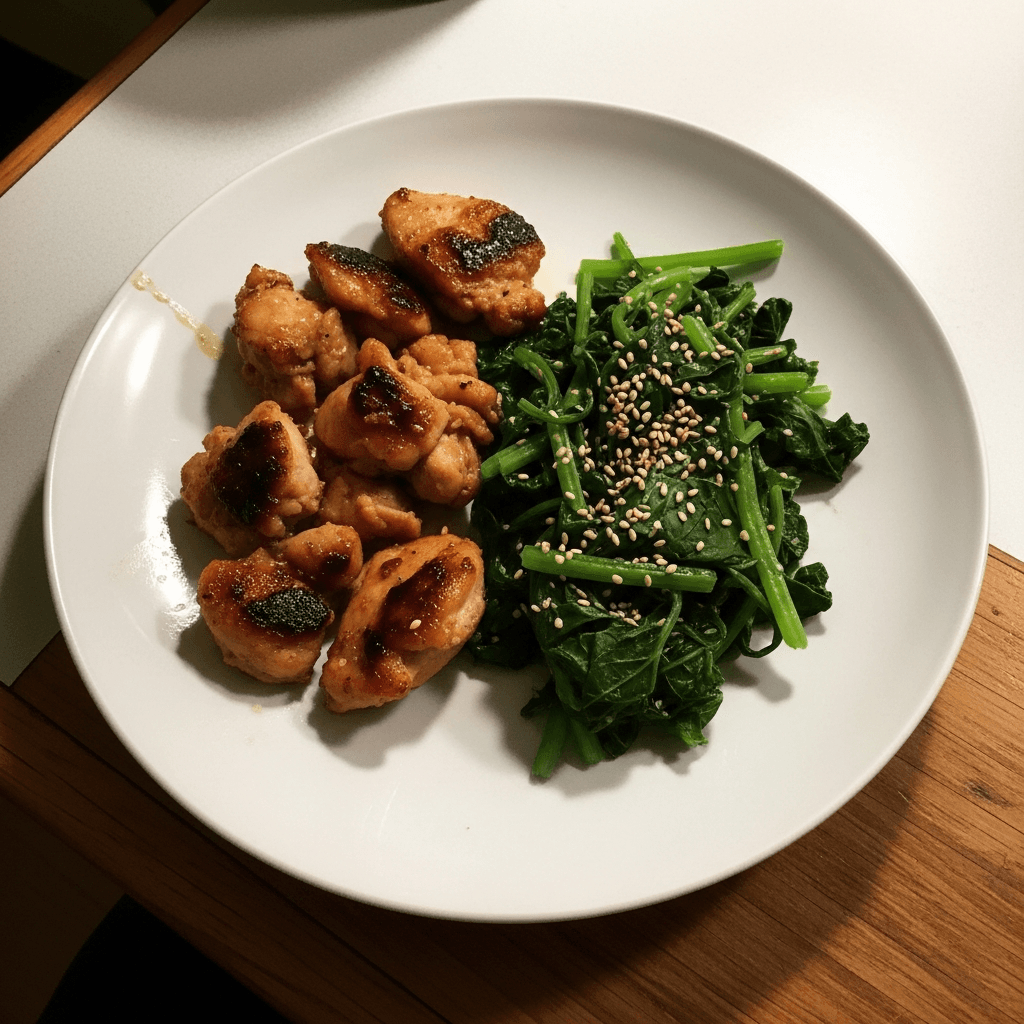
Teriyaki Chicken with Sesame Greens
When I first made this teriyaki chicken many years ago, it was for a small family gathering on a chilly evening. My mother placed a steaming bowl of sesame-dressed greens beside the chicken and said simply, "Balance is everything." The warm, glossy chicken and the cool, nutty greens felt like a gentle conversation on the table. That memory shaped how I approach this dish: harmony in flavor, temperature, and texture. Teriyaki is familiar around the world, yet in Japan it is more than a sauce. Teriyaki is a way to show gratitude to the protein and the land that raised it. The soy and mirin bring umami and a soft sweetness, while the sake adds depth. The sesame greens provide contrast they bring a bright, toasted note and a crisp, leafy texture that balances the richness of the chicken. We cook with the seasons. In spring I choose young spinach or komatsuna for the greens. In autumn a slightly heartier leaf suits best. The principle remains the same: respect the ingredient. We coax flavor slowly. We do not hurry the glaze or burn the sesame. Good flavor takes time, and the quiet of the kitchen is part of the meal. I invite you to move calmly through this recipe. Notice the sound when the chicken meets the pan. Smell the first steam of sauce when it starts to thicken. Arrange the plate with intention. Cooking is a meditation and the dish will reward the care you give it.
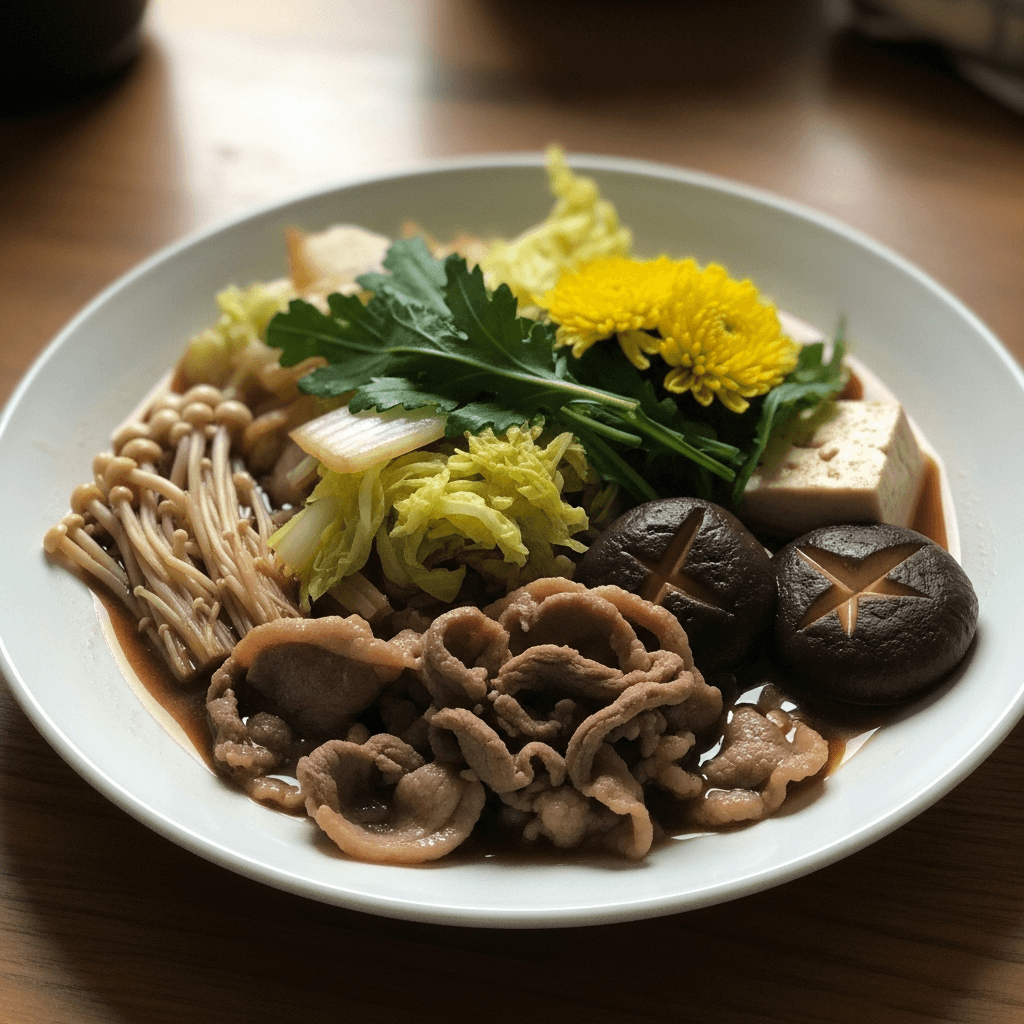
Elegant Duck Sukiyaki with Seasonal Vegetables
When I first made this duck sukiyaki, the memory that returned was of a cool autumn evening in Kyoto. The lanterns along Pontocho glowed amber and the market stalls were full of mushrooms and bright greens. I wanted a sukiyaki that felt ceremonial but gentle, one that honored the rich, gamey soul of duck and the delicate freshness of seasonal vegetables. This recipe is a bridge between traditions. Sukiyaki is often made with beef, but duck brings a deep umami and a slightly sweet fat that pairs beautifully with classic sukiyaki seasonings. We rely on dashi, mirin, and soy to create layers of savoriness. The principle of shun is at the heart of this dish: choose mushrooms, leafy greens, and root vegetables that are at their peak and they will sing with the duck. Cooking this is a guided meditation. Slice with intention, simmer with patience, and taste with curiosity. We encourage you to notice the change in aroma as the broth deepens, to feel the texture of the duck fat when it renders, and to arrange the cooked pieces with a quiet sense of balance. This is a dinner to share slowly, with warm conversation and gratitude. I invite you to slow down and appreciate each step. We cook to celebrate nature and to nourish the spirit. As you prepare this meal, remember that the technique honors the ingredient. Respect the duck, respect the vegetables, and the result will reward you and everyone at your table.
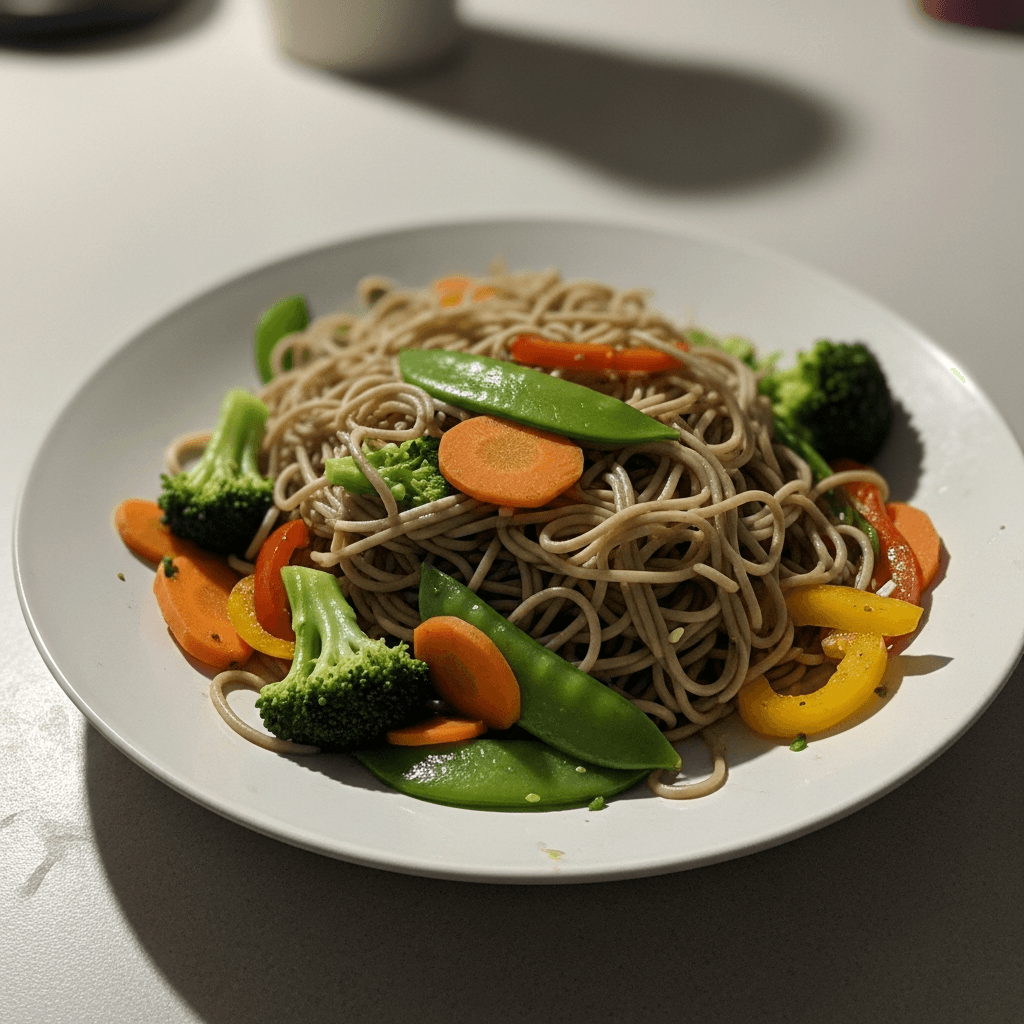
Delicate Soba Noodles with Seasonal Vegetables
When I first made this delicate soba with seasonal vegetables, I was thinking of a quiet evening in Kyoto during early spring. The city hummed gently beyond the shoji, and my mother had prepared a simple tray of vegetables picked that morning. The dish is humble, but each bite held the memory of that evening: cool air, warm broth, and small moments of gratitude. This recipe celebrates the spirit of washoku, where balance and seasonality guide us. The soba is delicate and nutty, the vegetables bright and textural, and the dashi brings a quiet umami that ties them together. We seek harmony of taste, color, and mouthfeel. Respect the season by choosing vegetables that are at their peak. Their shun gives this bowl its soul. Cooking is a meditation. We slice, simmer, and listen. We slice against the grain of memory as much as we slice carrots to honor texture. Good dashi takes calm attention. Do not rush it. We coax out umami from kombu and katsuobushi with gentle heat and a patient hand. Make this dish for a simple family dinner or a small gathering. Arrange the bowl with care. Eat slowly. Each slurp is an opportunity to notice the harmony you created. You are giving thanks to the ingredient, the season, and the moment.
Elegant Soba Noodle Salad with Vegetables
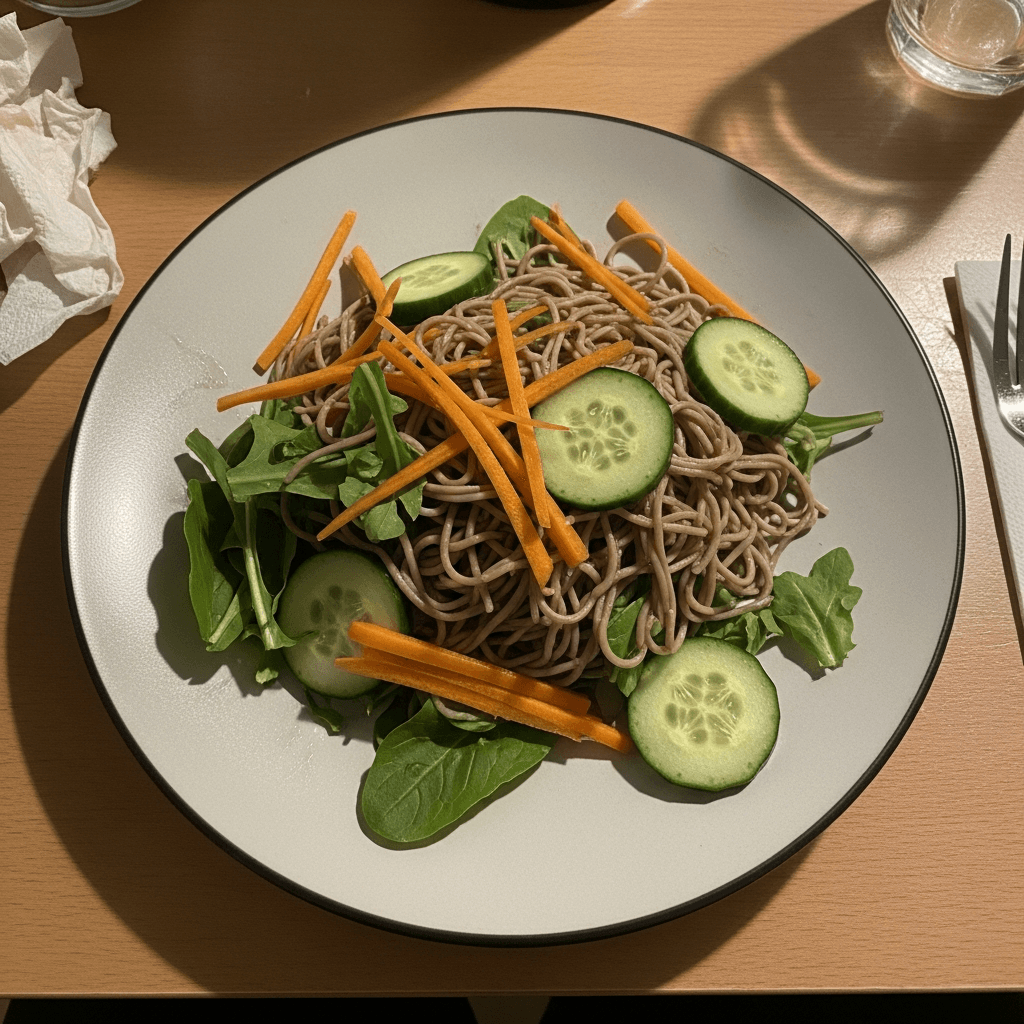
When I first made this Elegant Soba Noodle Salad with Vegetables, it was at dusk in a small apartment near the Kamogawa river. The air smelled of cooling stone and toasted sesame. I was preparing a simple dinner for my family after a long day. The dish became a quiet celebration of texture and season, a meal that felt both light and deeply satisfying. This salad is rooted in the Japanese sense of washoku, the harmony of ingredients and respect for season. The nuttiness of buckwheat soba meets the clean umami of a gentle dashi-based dressing. Bright, crisp vegetables bring freshness and contrast. Together they form a balance of flavors and textures that is more than the sum of its parts. We pay respect to umami here not by force but by subtlety. A little kombu or a spoon of dashi enhances sweetness without overwhelming the vegetables. We follow the concept of shun, choosing vegetables at their peak when possible. Good ingredients require only a light hand to reveal their best selves. Slow down as you cook. Listen to the water, feel the soba when you taste it, and arrange the salad with patience. Cooking is a kind act, a way to give thanks to the season. Approach each step with gentle attention and you will find a quiet joy in the making and the eating.
Umami-Infused Chicken Teriyaki
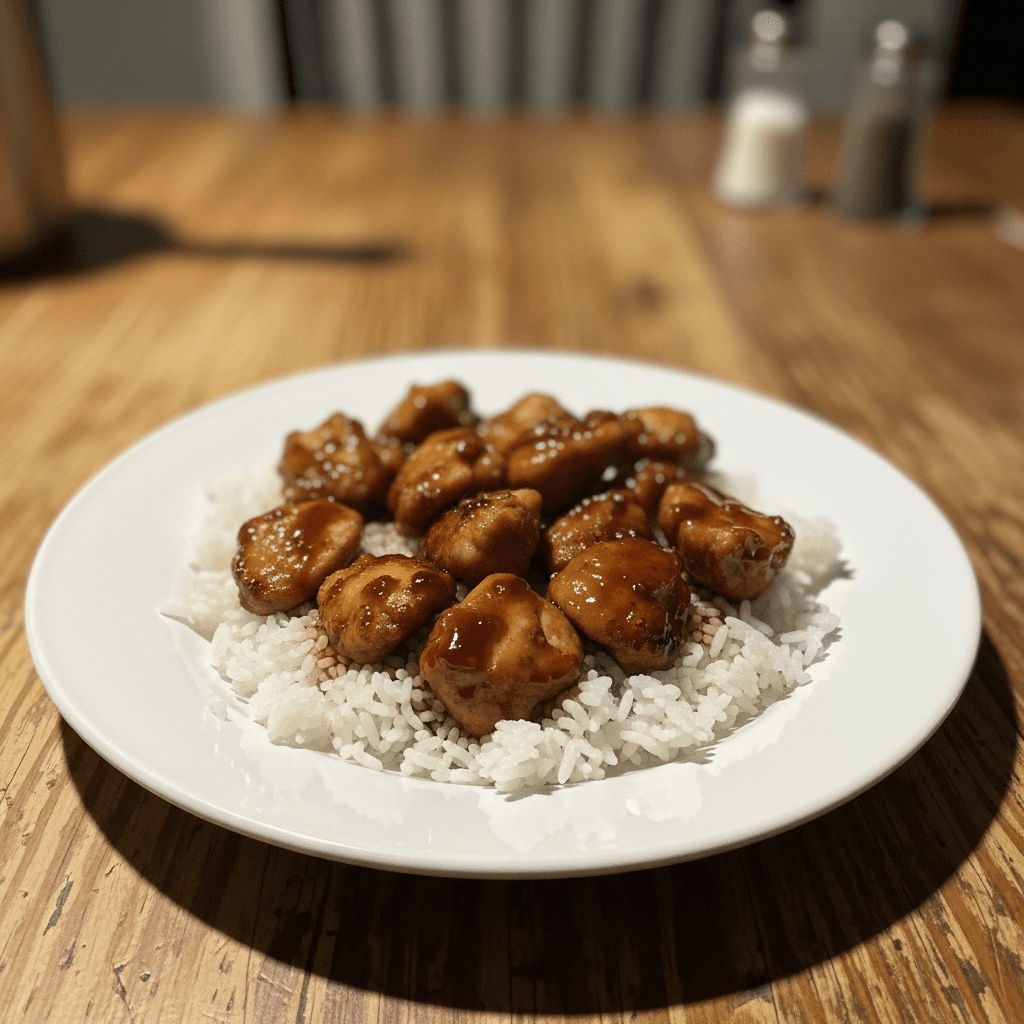
When I think of chicken teriyaki I remember evenings at my grandmother's countryside house. She would light a small charcoal brazier and the scent of caramelized soy would drift through the paper screens. We did not rush then. The sauce was made with simple, honest ingredients and an attention to timing that made every bite warm and memorable. This version is an umami-infused adaptation I created for my family. I like to add a short soak of kombu and dried shiitake to the base of the sauce so the flavor deepens without becoming heavy. Umami is the quiet backbone of the dish. It shows respect for nature's gift and brings harmony to sweet, salty, and savory notes. Washoku teaches us balance in taste, texture, and presentation. Here you will find tender, caramelized chicken with a glossy sauce that clings to each bite. Take your time with the sauce reduction. The patient simmer will concentrate flavor and create the shine that makes our meal comforting and beautiful. Please slow your breathing as you cook. Treat each step like a small ceremony. Listen to the sizzle, watch the glaze form, and be grateful for the seasonal vegetables you serve alongside. Cooking is a way to give thanks and to share harmony with those who gather at your table.
Heartwarming Chicken Nabe with Seasonal Vegetables
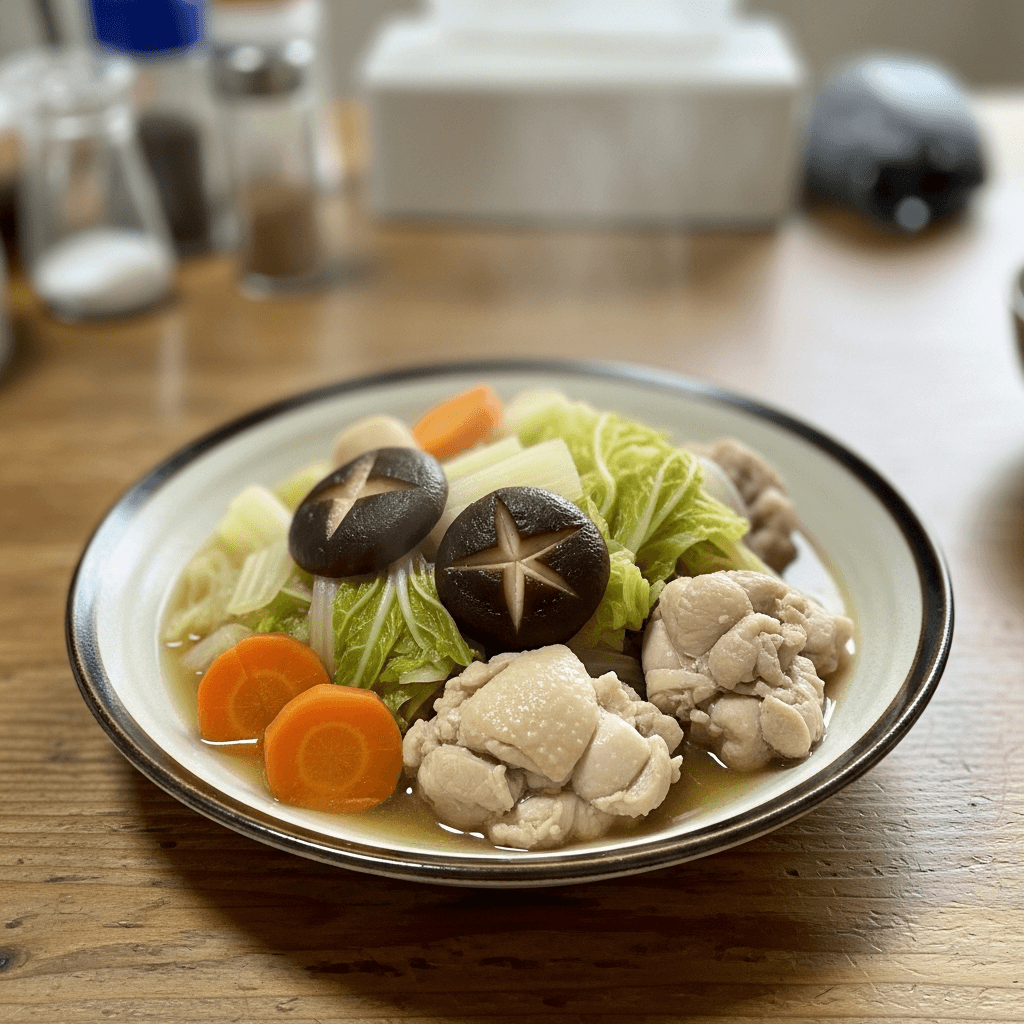
This chicken nabe is a meal that holds the warmth of small family gatherings. I first made a version like this on a rainy evening in Kyoto, when my eldest nephew arrived cold and tired. I remember my grandmother placing a heavy clay pot on the hearth and saying, with a soft smile, that food should mend both the body and the spirit. That memory guided me as I adapted the recipe to include seasonal vegetables we could find at the local market. Nabe is simple and humble, yet it is shaped by respect for ingredients. The broth sings with umami when kombu and bonito are treated gently, and the seasonal vegetables contribute texture and brightness. We seek balance in every spoonful: the richness of chicken, the sweetness of root vegetables, the silk of tofu, and the crispness of greens. This is classic washoku harmony. When you prepare this dish, slow down and listen to the pot. Notice how the aroma deepens as the broth warms. Good flavor takes time, do not rush the dashi. Slice with care and arrange with respect. Nabe is as much an act of gratitude as it is a way to feed friends and family. Set the table simply. Serve this at dinner when you wish to bring people closer. Encourage each person to take from the pot mindfully. The final broth, enriched by everything that has been cooked in it, is a small blessing. Enjoy the process and the quiet joy that comes from sharing a warm bowl.
Delicate Soy-Braised Tofu with Shiitake Mushrooms
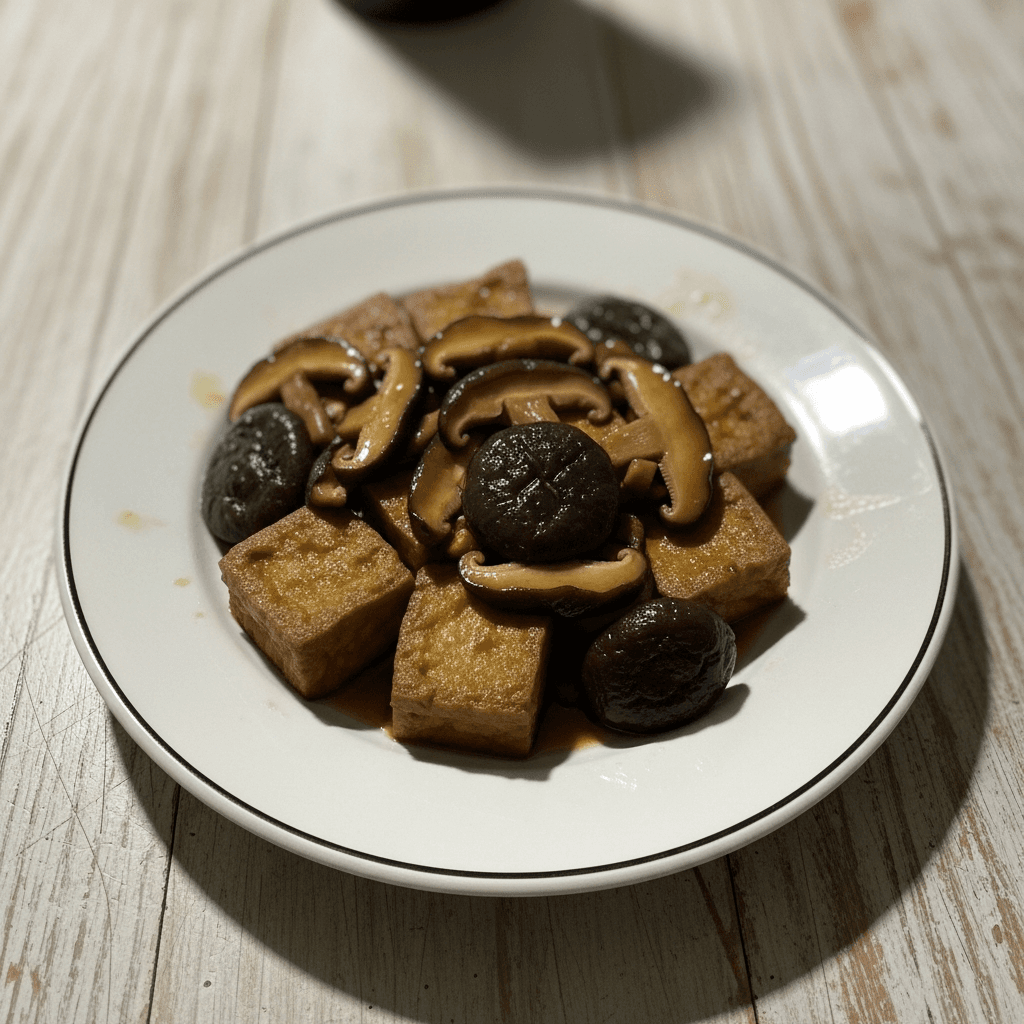
When I first made this soy-braised tofu, I was thinking of a quiet evening in Kyoto in late autumn. The air was cool, ginkgo leaves turning gold, and my family gathered around a low table. My grandmother would slice small, simple things and place them with care. This dish carries that same simplicity and tenderness. The tofu is soft and respectful of the pot, while the shiitake bring a deep, woodsy umami that feels like home. This recipe honors Washoku principles: balance, seasonality, and respect for ingredients. Shiitake are at their best when they are plump and fragrant in cool months. The braising liquid of dashi, soy, mirin, and sake layers savory, sweet, and umami into the tofu without overwhelming it. We aim for harmony of taste and texture rather than loud seasoning. Umami lives at the heart of this dish. Rehydrated dried shiitake and a gentle dashi build a savory foundation that the tofu soaks into. We cook slowly so the flavors can breathe. Be patient with the simmer. Good flavor takes time, and a quiet pot rewards you with depth and calm. As you cook, I invite you to treat each step as a small meditation. Move deliberately when you turn the tofu, listen for the simmer to soften, and breathe in the aroma as the shiitake release their essence. The act of braising can be a way to show gratitude for the ingredients and the people you will share the meal with.
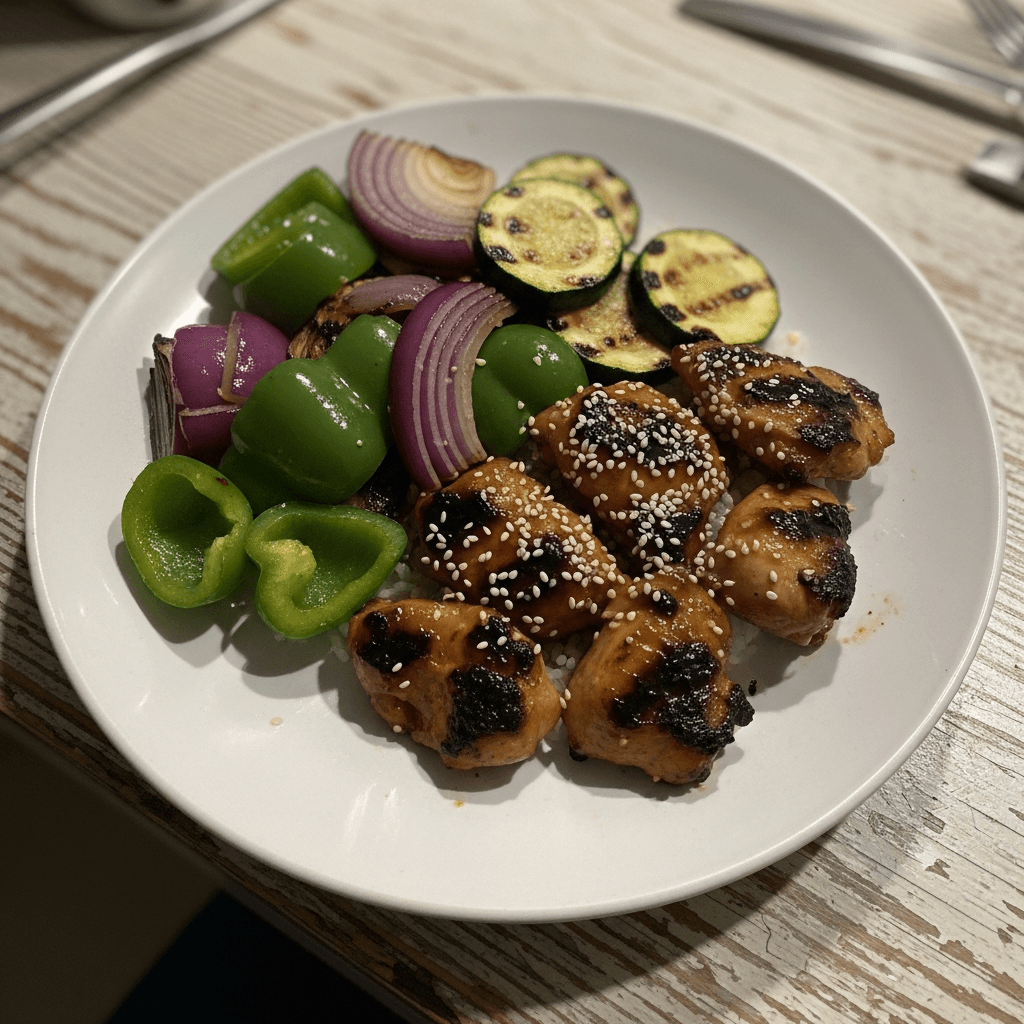
Delightful Teriyaki Chicken with Grilled Vegetables
When I first made this teriyaki chicken, it was for a small family gathering after a rainy festival in Kyoto. The lanterns were still warm in my memory and I wanted a meal that felt both comforting and celebratory. This dish is what I found myself cooking often afterwards. It brings together the glossy sweetness of teriyaki with the smoky clarity of grilled vegetables, a balance that feels like seasonal harmony on a plate. Teriyaki is not only a flavor, it is a technique of coaxing umami out of simple ingredients. Soy sauce, mirin and a touch of sugar form a glaze that sings of soy and caramelized depth. When paired with vegetables grilled until their skins whisper and their flesh becomes tender, the contrast of textures — crisp skin, tender meat, yielding vegetables — becomes the heart of the meal. In Washoku we honor shun, the seasonality of ingredients. Choose vegetables that are at their peak. If summer eggplants are plentiful, they will melt into the char and drink the sauce with grace. In cooler months, choose mushrooms and root vegetables. Good ingredients ask only that we treat them with patience and clean technique. As you cook, slow your breath and pay attention to the small changes: the aroma as sugar browns, the sound when the chicken meets the pan, the way the sauce becomes glossy and thick. Cooking like this is a meditation and a way to say thank you to nature. Let us begin with care and joy.
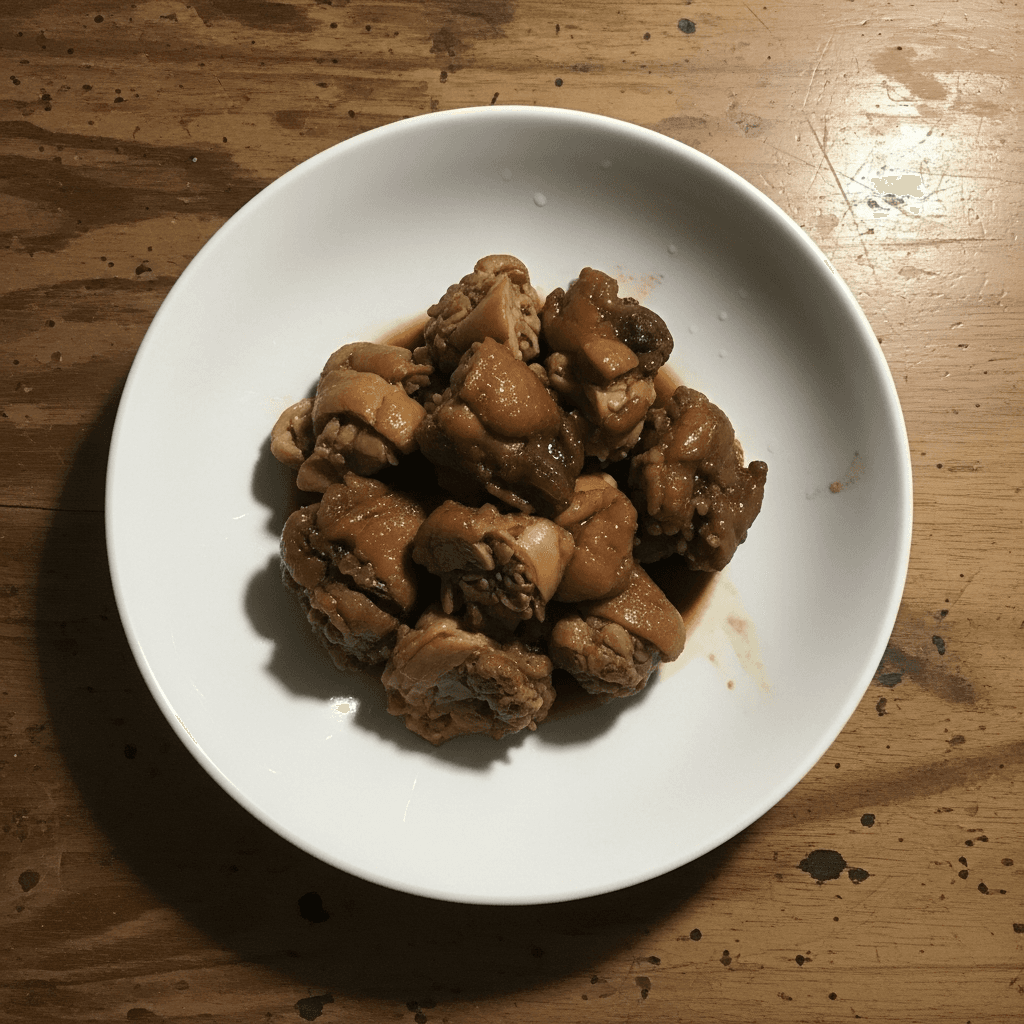
Elegant Shoyu Braised Chicken
When I first made this braised chicken, I was thinking of a cool autumn evening in Kyoto. The streets were quiet after the festival and the air smelled of fallen leaves and warm soy. I wanted a dish that felt both humble and refined, something my grandmother might serve when she wanted to show care without fuss. The result became a family favorite, a small celebration on the table. This dish rests on the harmony of shoyu, mirin and dashi. The soy gives us umami and a deep savory heart. Mirin and a touch of sugar add a gentle roundness and gloss. Dashi brings a quiet background of sea and field, lifting the chicken rather than covering it. We aim for balance so each bite is layered but calm. Pay attention to texture as well as taste. We sear the skin to create contrast between crispness and the soft, braised flesh. Gentle simmering allows the flavors to enter the meat slowly. Good flavor takes time, so do not rush the braise; it rewards patience with clarity and depth. As you cook, think of this as more than a recipe. It is a way to show gratitude for the ingredients and for the people you will share it with. Work deliberately, listen to the pan, and remember that simple, seasonal elements often speak the loudest at the table.
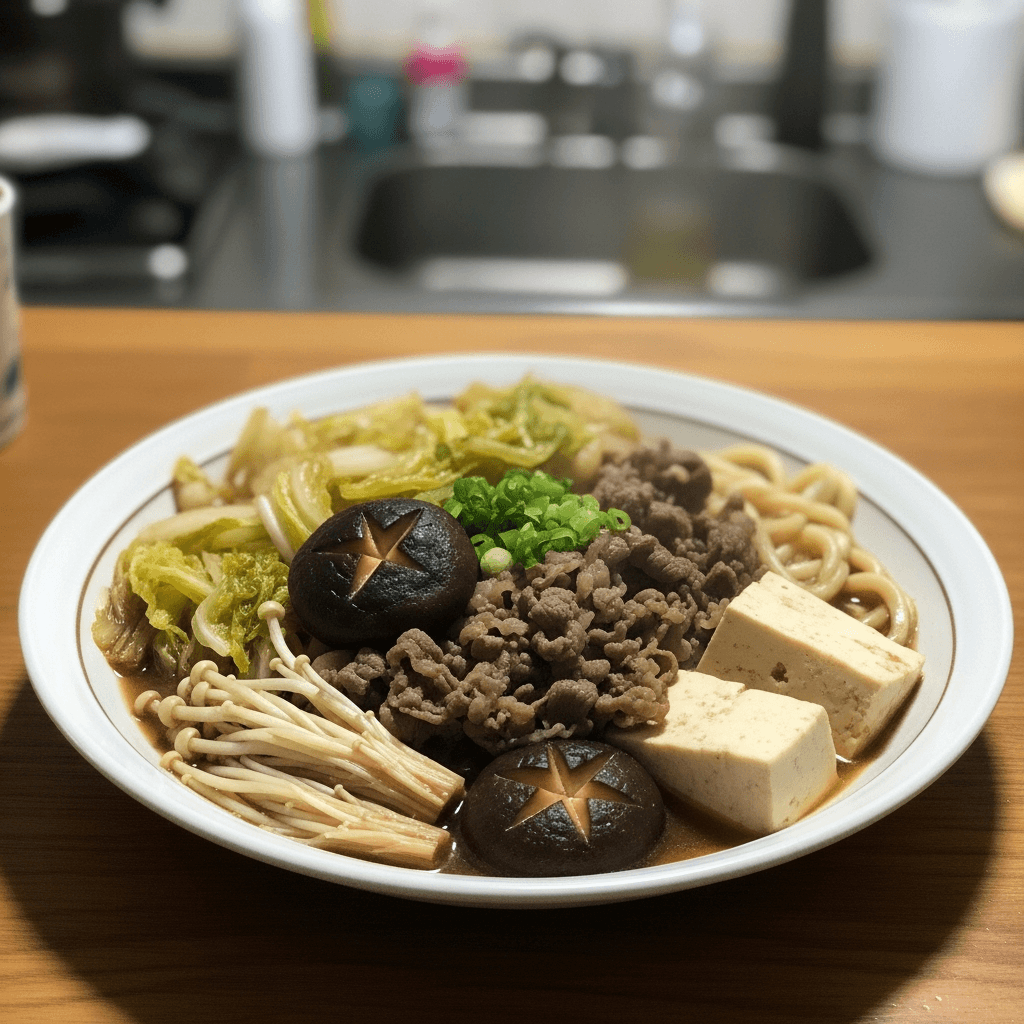
Hearty Beef Sukiyaki with Fresh Vegetables
This sukiyaki recipe carries the warmth of family and the quiet joy of shared evenings. I first made a version like this on a rainy autumn night for my children, when the markets were full of crisp napa cabbage and fragrant shiitake. The pot steamed at the center of our low table, and each person reached in gently, dipping tender beef into raw egg or savoring a spoonful of sweet-salty broth. It felt like a small festival of comfort. Sukiyaki is both simple and deeply layered. The profile is sweet-salty, rich with umami from soy, mirin, and a little dashi. The thinly sliced beef melts against fresh vegetables, shirataki, and tofu. In Washoku we celebrate seasonality. Use vegetables that are at their shun. In autumn, use napa and mushrooms. In spring, wakame and early greens change the spirit of the pot. As you cook, consider the rhythm. Start the dashi and seasoning slowly. Let sugar and mirin dissolve and mingle with soy so the aroma unfolds. Slice the beef against the grain to respect its texture, and add ingredients in stages so each keeps its integrity. Cooking is a meditation. Allow the heat to transform simple things into something nourishing. This is hearty enough for a main dinner, meant for sharing. It invites conversation and quiet gratitude. Take your time with the broth. Taste, adjust, and present the sukiyaki with balance in mind. The act of cooking here is an offering to those who will eat, and to the season that provided the ingredients.
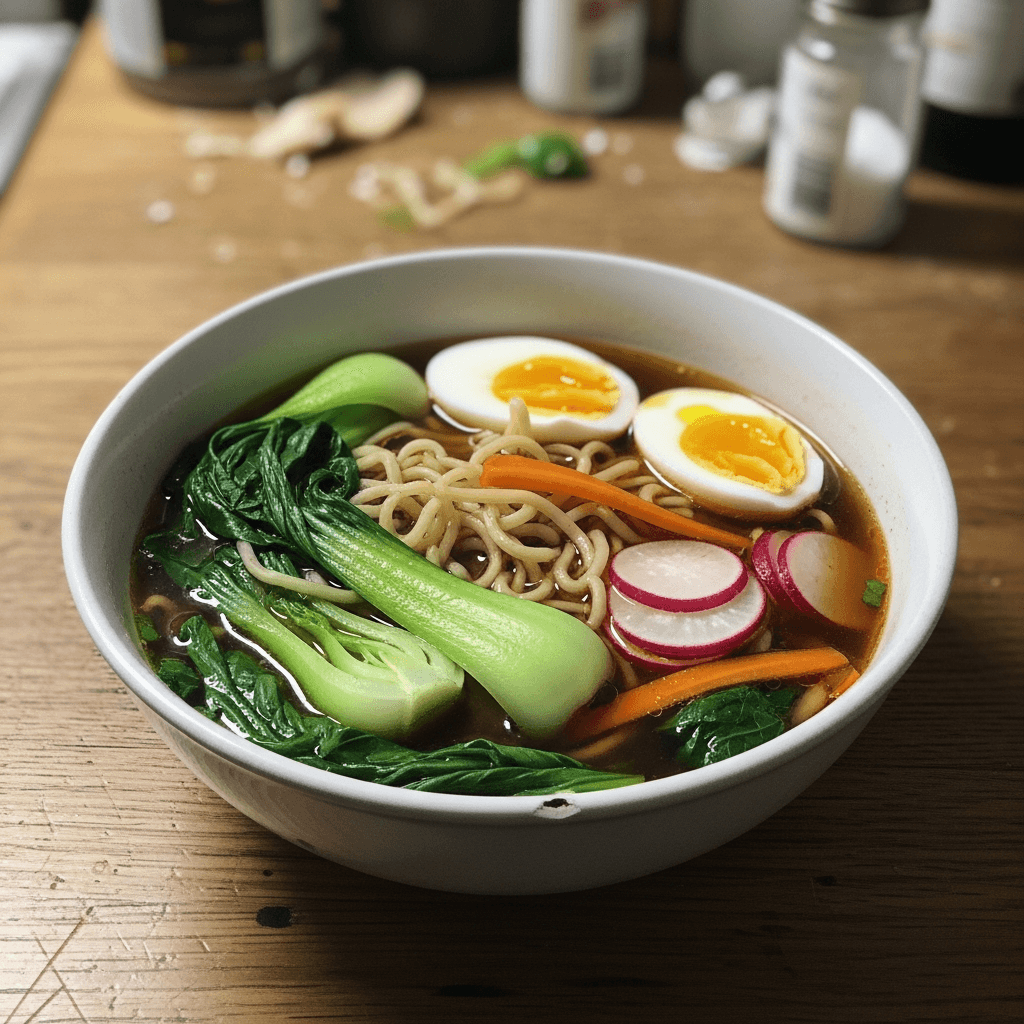
Umami-Infused Ramen with Seasonal Vegetables
When I first made this umami-infused ramen, it was a quiet autumn evening in my small kitchen. The market had just delivered the first tender daikon and a bundle of bright mizuna. I wanted a bowl that honored each vegetable in its shun and wrapped them in a broth that felt like an embrace. I remember simmering kombu and dried shiitake while my daughter arranged the scallions. It became our little ritual. This dish is a harmony of simple technique and layered umami. Dashi built from kombu, dried shiitake, and a gentle shower of bonito creates a savory foundation. A light tare of soy and mirin, finished with a spoon of white miso, adds depth without overwhelming the seasonal vegetables. We aim for balance of salt, sweetness, and that quietly lingering savor that the Japanese call umami. Seasonality matters here. In spring I choose young bamboo shoots and asparagus. In autumn I favor mushrooms and root vegetables. The vegetables are not only garnish; they are partners. Slice, simmer, and arrange so each bite carries texture - crisp, tender, and silky. Slow cooking the dashi and treating each ingredient with respect will reward you. Take this as an invitation to slow down. Washoku teaches us to find calm in preparation and joy in sharing. Prepare with patience, listen to the aromas as they deepen, and present the bowl with care. In doing so you offer gratitude to the land and to those who will share this meal with you.