Delicate Soba Noodles with Seasonal Vegetables
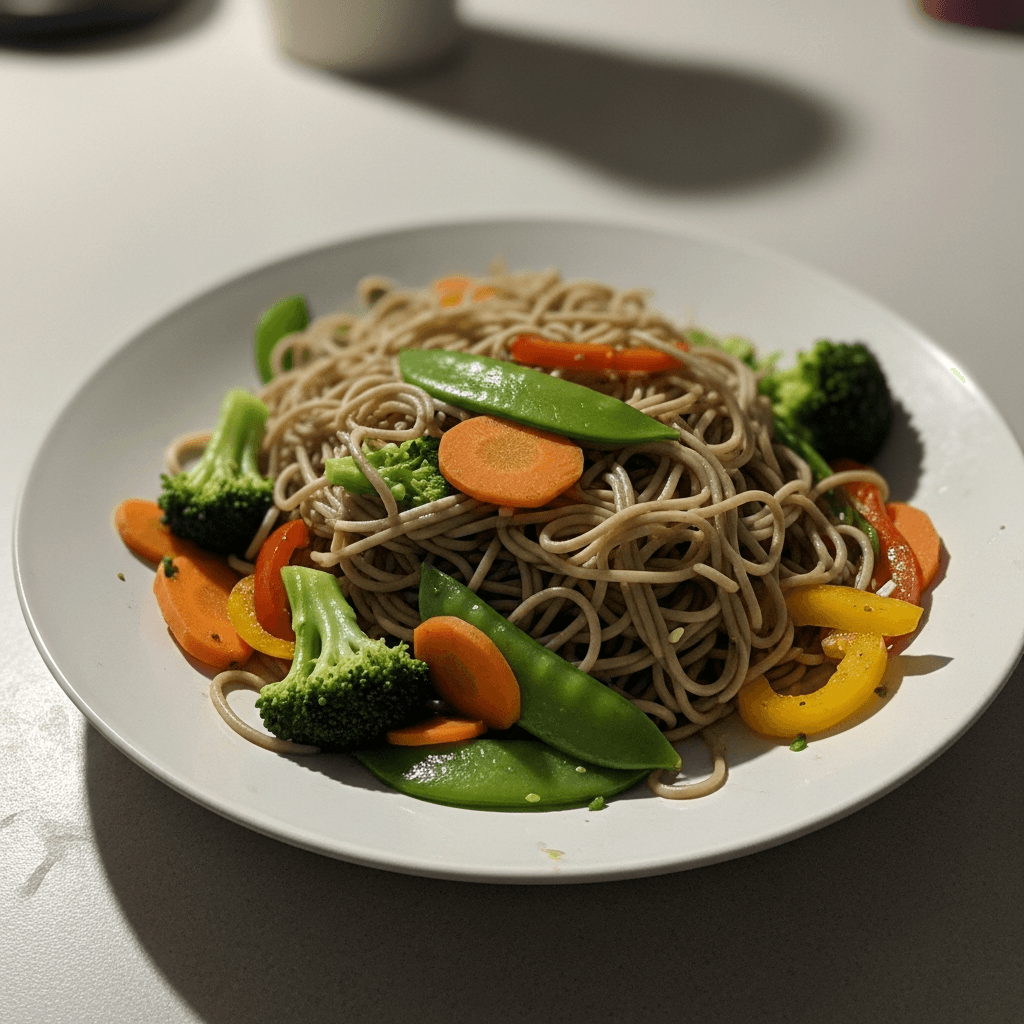
When I first made this delicate soba with seasonal vegetables, I was thinking of a quiet evening in Kyoto during early spring. The city hummed gently beyond the shoji, and my mother had prepared a simple tray of vegetables picked that morning. The dish is humble, but each bite held the memory of that evening: cool air, warm broth, and small moments of gratitude. This recipe celebrates the spirit of washoku, where balance and seasonality guide us. The soba is delicate and nutty, the vegetables bright and textural, and the dashi brings a quiet umami that ties them together. We seek harmony of taste, color, and mouthfeel. Respect the season by choosing vegetables that are at their peak. Their shun gives this bowl its soul. Cooking is a meditation. We slice, simmer, and listen. We slice against the grain of memory as much as we slice carrots to honor texture. Good dashi takes calm attention. Do not rush it. We coax out umami from kombu and katsuobushi with gentle heat and a patient hand. Make this dish for a simple family dinner or a small gathering. Arrange the bowl with care. Eat slowly. Each slurp is an opportunity to notice the harmony you created. You are giving thanks to the ingredient, the season, and the moment.
Total time
40 min
Servings
2
Difficulty
medium
Prep
25 min
Cook
15 min
Market list
Ingredients
Method
Instructions
Prepare your workspace. I lay out all vegetables, the soba, and seasonings. Clean hands, a sharp knife, and a calm mind will help you move steadily.
Make the dashi gently. Place kombu and water in a saucepan and let it sit for 15 minutes so the sea-sweetness awakens. Slowly heat the water over low to medium heat. Watch for small bubbles forming along the kombu edge. Remove the kombu just before the water reaches a near-simmer. This preserves delicate umami.
Add katsuobushi. Bring the pot to a gentle simmer, then turn off the heat and sprinkle in the katsuobushi. Let the flakes sink and infuse for 3 to 4 minutes. You will notice a savory, smoky aroma rising. Strain through a fine sieve or cloth and return the clear dashi to the pot.
Season the broth. With the dashi on low heat, add soy sauce, mirin, and sake. Listen for a soft sigh as the liquid settles. Taste and add a small pinch of salt if needed. Keep the broth warm, not boiling. Warmth preserves its clarity.
Prepare the vegetables. Heat a skillet over medium heat with a teaspoon of neutral oil. Sauté shiitake until their aroma deepens and the sound of the pan softens. Add asparagus and carrots and stir for a short time. You want bright color and a slight bite. Lastly, toss in baby spinach just until it wilts. Season the vegetables lightly with a pinch of salt.
Cook the soba mindfully. Bring a large pot of water to a rolling boil. Add the soba and stir gently to prevent clumping. Cook according to the package, usually 3 to 5 minutes. Taste a strand for firmness. It should feel tender with a subtle chew.
Rinse and cool the noodles. Drain the cooked soba and run under cold water while gently rubbing the strands. The water will run from cloudy to clear. This removes excess starch and cools the noodles to preserve texture. Shake off excess water.
Warm the noodles with the broth. Place a portion of soba into warmed shallow bowls. Arrange the sautéed vegetables on top with care. Pour the warm dashi over the noodles so it just covers them. You want the broth to be warm rather than piping hot, so it embraces the vegetables without wilting them further.
Finish with garnish. Sprinkle toasted sesame seeds, place nori strips, and add a tiny touch of yuzu zest for brightness. If you like a hint of heat, a light dusting of shichimi togarashi will lift the bowl.
Serve and breathe. Present the bowls with quiet pride. Invite your guests to pause for a moment. Slurp the noodles slowly and notice the textures: the soft noodles, the crisp asparagus, the tender shiitake, and the warm umami of the broth. Each element should be in balance.
Kitchen whispers
- ✦Hiro's Notes on Harmony: Make your dashi gently and with patience. Do not force extraction with high heat. The quiet infusion yields a cleaner, sweeter umami.
- ✦Hiro's Notes on Harmony: Rinse soba under cold running water until it runs clear. This step keeps the noodles slippery but not pasty and reveals their delicate flavor.
- ✦Hiro's Notes on Harmony: Choose vegetables in season. Their texture and sweetness will change the spirit of the dish more than any sauce can.
- ✦Hiro's Notes on Harmony: We eat with our eyes first. Arrange vegetables with contrasting colors and heights to create a simple, balanced presentation.
Nutritional glance (per serving)
420
Calories
18 g
Protein
62 g
Carbs
10 g
Fat
6 g
Fiber
Ichi-go ichi-e (One time, one meeting). This proverb asks us to cherish the unique moment we create when preparing and sharing a meal. You put care and patience into this soba bowl. Now sit, breathe, and savor this single, gentle encounter.
Tea letters
Comments (0)
Please to leave a note.
No letters yet—be the first.
Tags