Breakfast Recipes
Discover delicious breakfast recipes
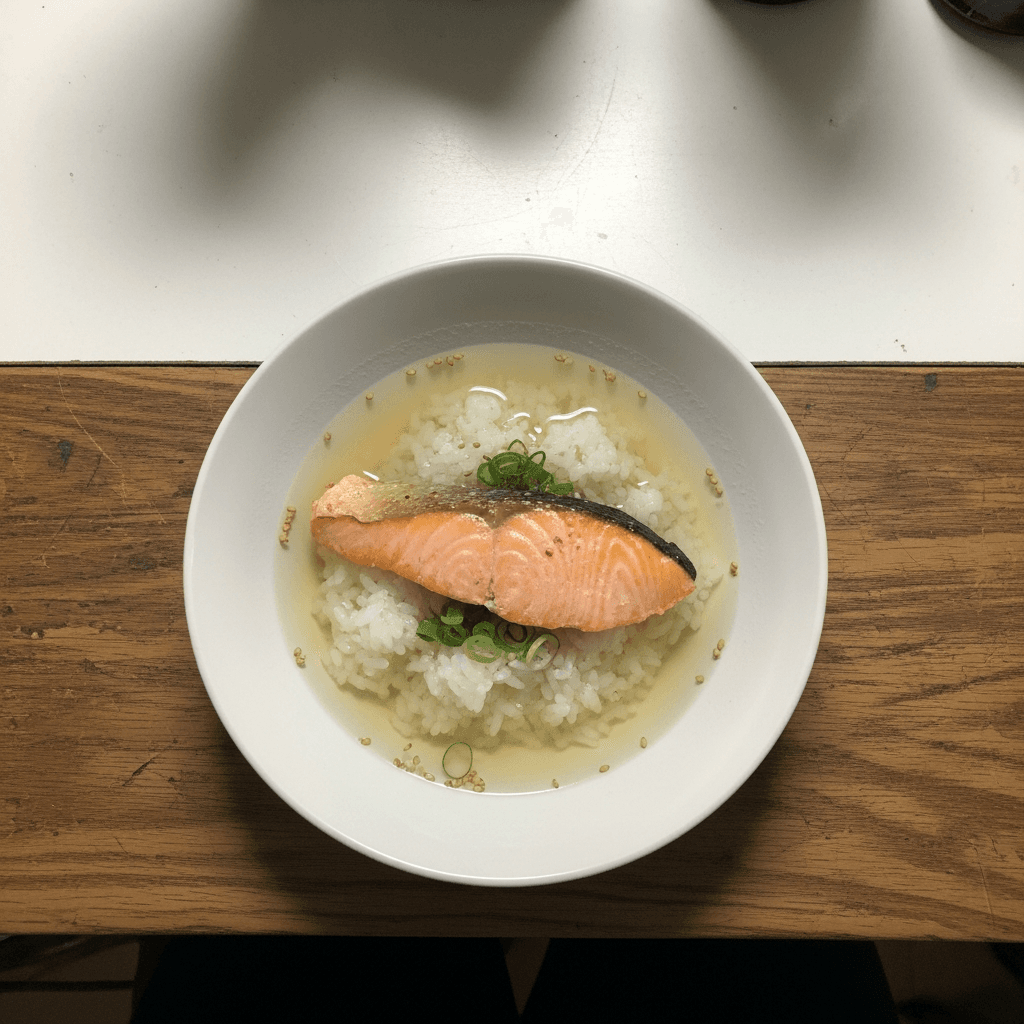
Wholesome Chazuke with Grilled Salmon
When my children were small, our mornings were quiet rituals. On days when the sky was soft and the rice cooker clicked off right on time, I would grill a small piece of salmon and prepare a gentle dashi to pour over warm rice. This simple bowl, chazuke with grilled salmon, became our way of greeting the day. It asks for only a few good ingredients, but it returns comfort and clarity. I still recall the way steam rose and carried the sea-sweet scent of salmon into the room. It felt like a small festival, a private celebration of the first meal of the day. Chazuke is humble by nature. It is a bowl that honors umami and seasonality. The dashi draws out the savory heart of kombu and katsuobushi, and the grilled salmon adds fat and depth. We balance textures: the soft grain of rice, the flake of fish, the crispness of toasted nori or pickles. In breakfast practice we seek balance between nourishment and lightness, so your body wakes and your mind opens. Seasonal ingredients matter. In spring choose a slightly fattier salmon from colder waters for a delicate richness. In summer you might prefer a leaner fillet and brighter garnishes. When you make the dashi, listen and watch. Good flavor takes time, and your patience will be rewarded. Treat each step as a small meditation and you will taste the difference. This recipe is meant to be gentle and restorative. It will teach you to layer flavors slowly: rice cleansed and warm, fish simply seasoned, dashi poured with intention. Invite someone to sit with you or enjoy this quietly alone. The act of assembling chazuke is itself an expression of gratitude for the day's first light.
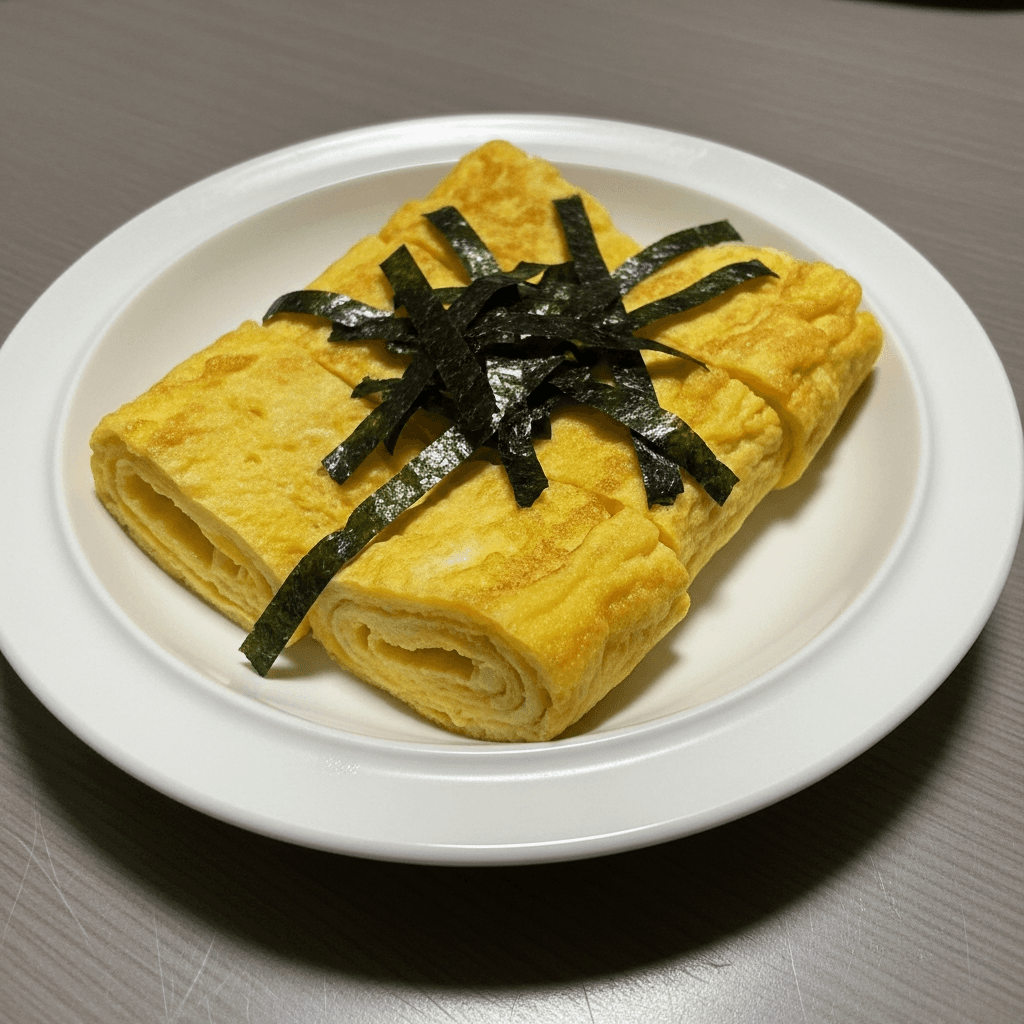
Fluffy Tamagoyaki with Nori
When I was a child, my grandmother would make tamagoyaki in the early light of a winter morning. The kitchen smelled of warm dashi and sweet mirin, and she moved slowly, as if each motion was a quiet prayer of thanks for the eggs and sea. This version with nori came later, a humble addition that my mother loved to tuck into the layers. It is simple, but it carries the calm of those mornings. Tamagoyaki is more than a folded omelet. It is a lesson in balance. The sweetness of mirin, the umami of dashi and soy, and the soft, custardy texture of the egg must sit together in harmony. The nori brings a whisper of the sea, a contrast in texture and flavor that lifts the roll. In Washoku we honor seasonality and subtlety. Fresh eggs at their best make all the difference. Cooking this tamagoyaki is a form of meditation. Prepare with quiet attention. Measure gently, heat the pan with patience, and listen as each layer sets. The sound of the pan will tell you when the egg is ready to roll. Work slowly and with respect for the ingredients. Good flavor grows from care. When you finish, slice and arrange with balance. We eat first with our eyes, so place the pieces with a small gap between them, perhaps a dab of grated daikon or a tiny sprig of mitsuba. Share this breakfast with someone you care for, or sit with it alone and notice the warmth. This meal rewards patience and attention.
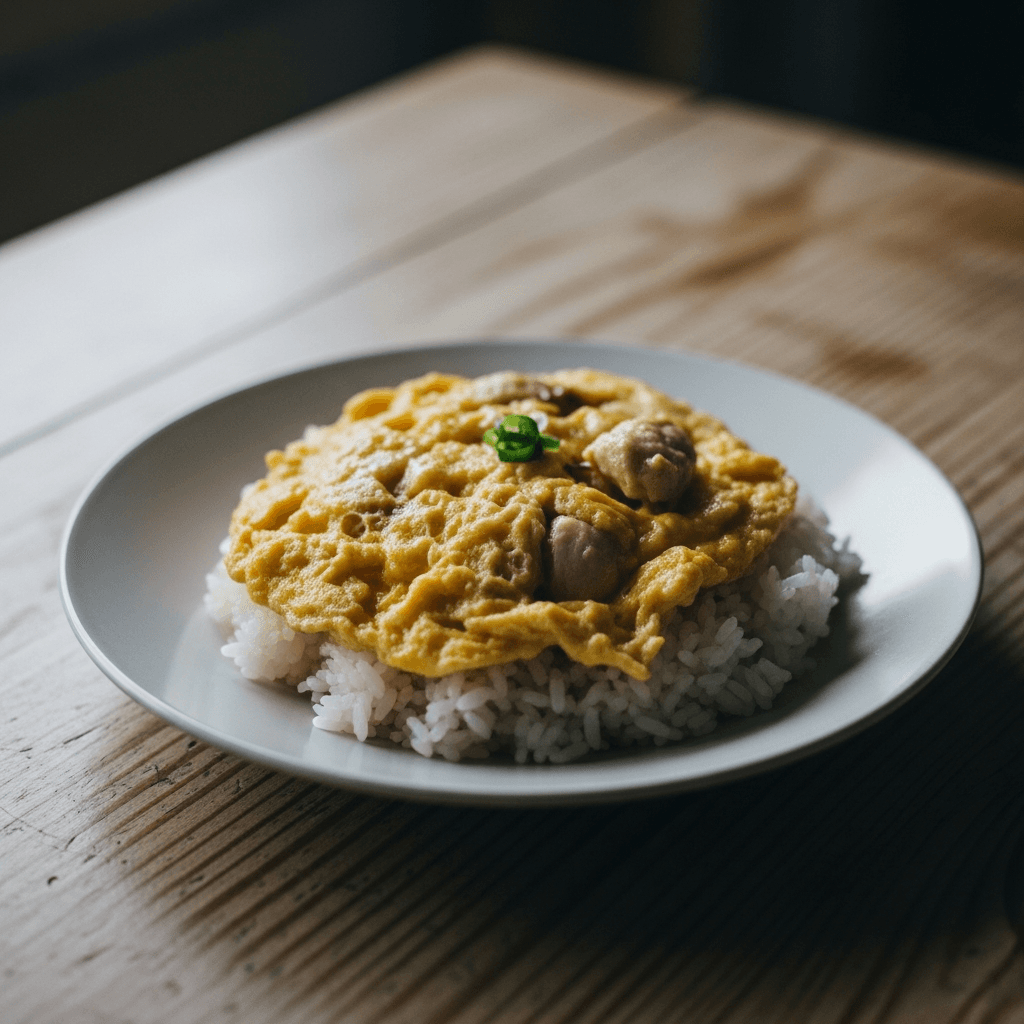
Traditional Nanban-style Egg Bowl (Breakfast Donburi)
When I was a boy my aunt served a simple egg bowl one misty morning after we returned from the market. The aroma of warm dashi and the gentle wobble of softly cooked eggs felt like a small ceremony. This Nanban-style egg bowl became my quiet breakfast of comfort, something to steady the day and remind me of family around the low table. Nanban in this context means a gentle layering of flavors that balances sweet, salty and umami rather than the fried chicken you may know by the same name. The heart of the dish is dashi, soy, and mirin, which coax the eggs into a silky texture that rests on steaming rice. The katsuobushi and scallion bring a fresh brightness and depth. We aim for harmony in taste and texture. Washoku teaches us to honor seasonality and simplicity. In spring I choose young scallions and tender greens, in winter a more robust dashi. The umami from kombu and bonito is the invisible bridge between rice and egg. Take your time with each step. Good flavor often rewards patience. As you prepare this bowl, breathe slowly and move with intention. We slice the scallion thin to respect its delicate bite. We heat the dashi gently so the eggs coagulate softly. The act of cooking becomes a way to give thanks for the grain, the eggs, and the sea. Serve with quiet pride and enjoy the moment of peace at your table.
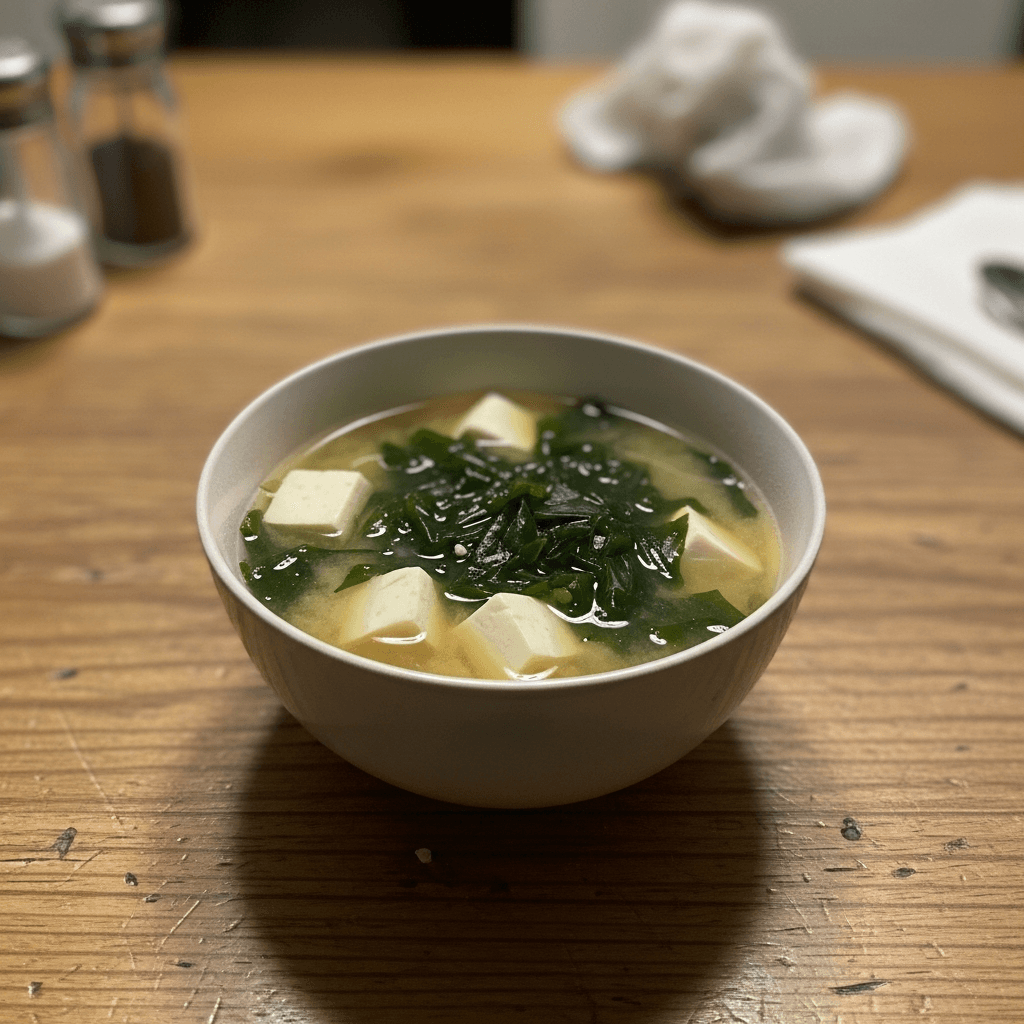
Warm Tofu Miso Soup with Seaweed
When I was a child in my mother's kitchen, the mornings were soft with light and the slow steam of soup. This warm tofu miso soup with seaweed was our small morning ritual. My grandmother would place a steaming bowl before each of us, and we would eat quietly, letting the gentle umami of dashi and miso wake the senses. There is comfort in that simplicity. For my family it became a breakfast of balance and ease, a way to begin the day with gratitude. This soup is humble and refined. The backbone is dashi, the clear, savory stock that carries umami like a quiet song. Miso brings gentle sweetness and depth while silken tofu gives silkiness and soft protein. Wakame offers a briny, tender texture that remembers the sea. Together they form a harmony, a small washoku moment for the morning. Use the freshest ingredients you can find. When the kombu is good and the miso is lively, the bowl becomes bright and complete. In Japanese cooking we honour shun the season. In spring I add a scatter of young green onions and in colder months I choose heartier miso. For a breakfast soup we keep it light so the rest of the day's dishes feel invited, not crowded. Notice the balance of salt, sweetness, and texture. Take time to warm the dashi slowly. Good flavor takes time. Be patient and treat each step as a small offering. Today I invite you to slow down and breathe while you prepare this bowl. Cooking can be a meditation. When you bring the water to a gentle simmer and dissolve the miso with care, you are practicing gratitude for the ingredients and the hands that gathered them. Sit with the aroma, sip slowly, and let the quiet fullness of this breakfast carry you into the day.
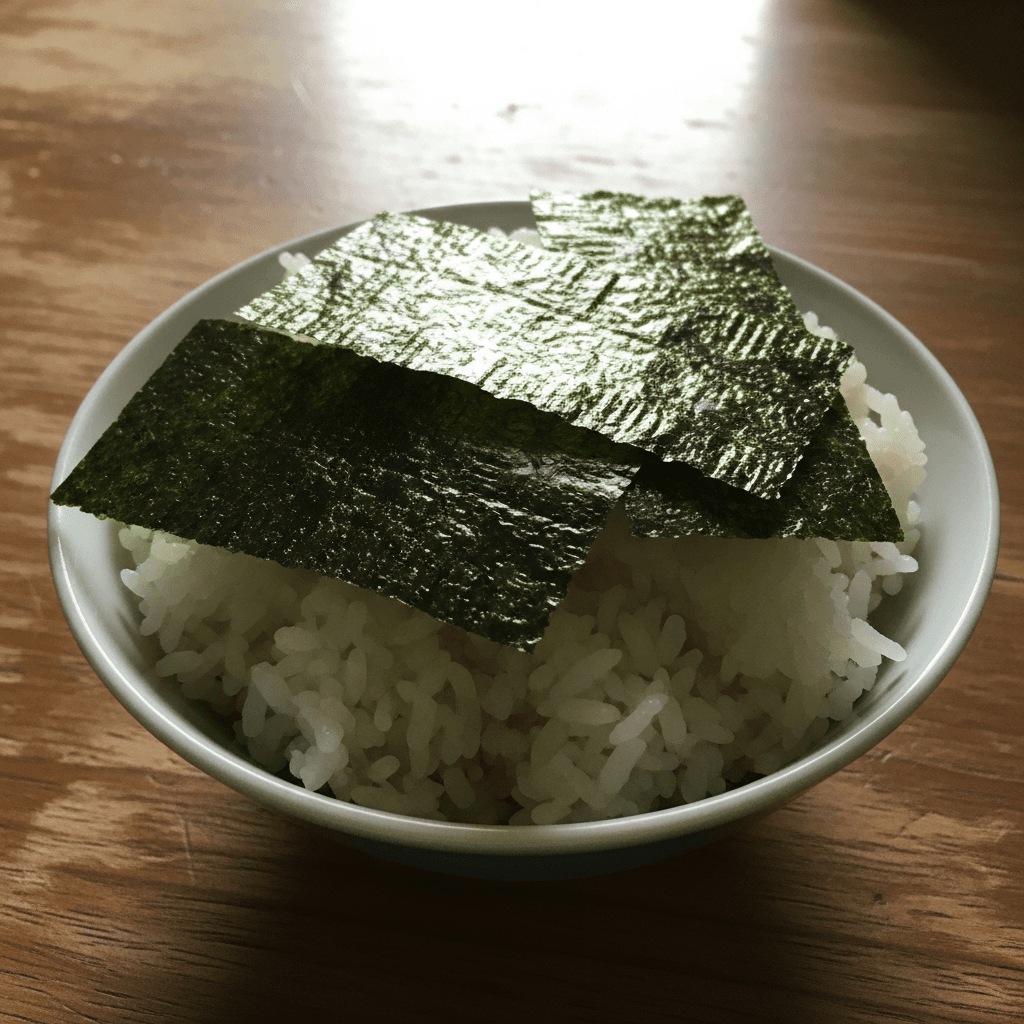
Aromatic Japanese Breakfast Rice with Nori
When I was a child visiting my grandmother in the countryside, mornings began with simple, fragrant bowls of rice. She would warm small sheets of nori over an open flame until they whispered and crackled, and the scent of toasted seaweed would fill the kitchen. This Aromatic Japanese Breakfast Rice with Nori is a gentle memory of those mornings. I adapted the little additions of dashi, toasted sesame oil, and a touch of soy so my family in the city could enjoy the same calm start to the day. This dish is small in its components but deep in spirit. It celebrates umami - the quiet, savory backbone that ties rice, kombu dashi, and nori together - and the principle of shun, using fresh scallion and toasted sesame at their best. The flavor profile is warm and balanced: the rice is glossy and lightly seasoned, the nori adds mineral, oceanic notes, and the sesame oil offers a toasty sweetness that lifts the whole bowl. Cooking this breakfast is a practice of mindfulness. Rinsing rice until the water is clear, listening to the pot as it simmers, smelling the change as sesame oil heats. Each small action is a pause, a way to show gratitude for the ingredients. We are not making many dishes, but we are making each one with attention. Please move slowly, and let this recipe guide you to a peaceful morning. The steps are simple and forgiving. Treat the rice and the seaweed with respect and they will repay you with comfort and quiet joy.
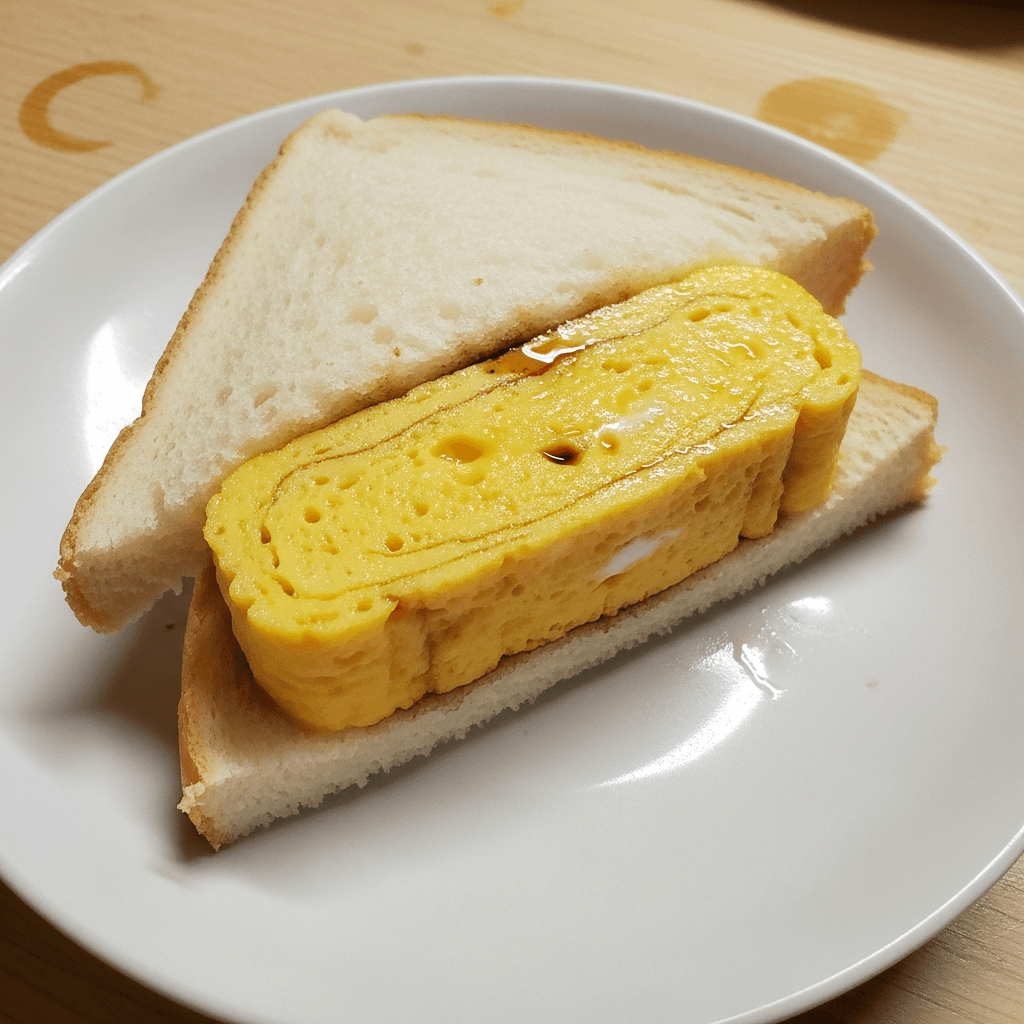
Traditional Tamago Sandwich with Soy Sauce
When I was a boy, my grandmother would make tamago sandwiches for us on cool mornings after rice had been eaten and the hearth was still warm. She would roll the omelette with the careful hands of someone who had tended a family for decades, and she always added a whisper of soy sauce. The sandwich was simple, humble, and full of comfort. I learned to move slowly watching her, like a quiet practice that held gratitude. This sandwich is a small lesson in Washoku, the harmony of food. The rolled egg offers a tender texture, the soy sauce brings umami and balance, and the soft shokupan bread cushions both. In morning light the flavors are gentle but complete, a reminder that seasonality and restraint can be as nourishing as abundance. We honor the ingredient by treating it simply and with respect. Umami is the heart of this dish. Soy sauce and a touch of dashi deepen the egg's natural savor without overwhelming its sweetness. We pay attention to texture as well. The tamagoyaki should be silky and layered, the bread pillowy. When you eat, slow down. Notice the softness, the warmth, the scent of toasted bread and the faint sweetness of cooked egg. I invite you to approach this recipe as a short meditation. Measure carefully, roll patiently, and plate with gratitude. Good flavor takes time. Do not rush the cooking or the folding. The act of making this sandwich is itself a way to begin the day with calm and appreciation.
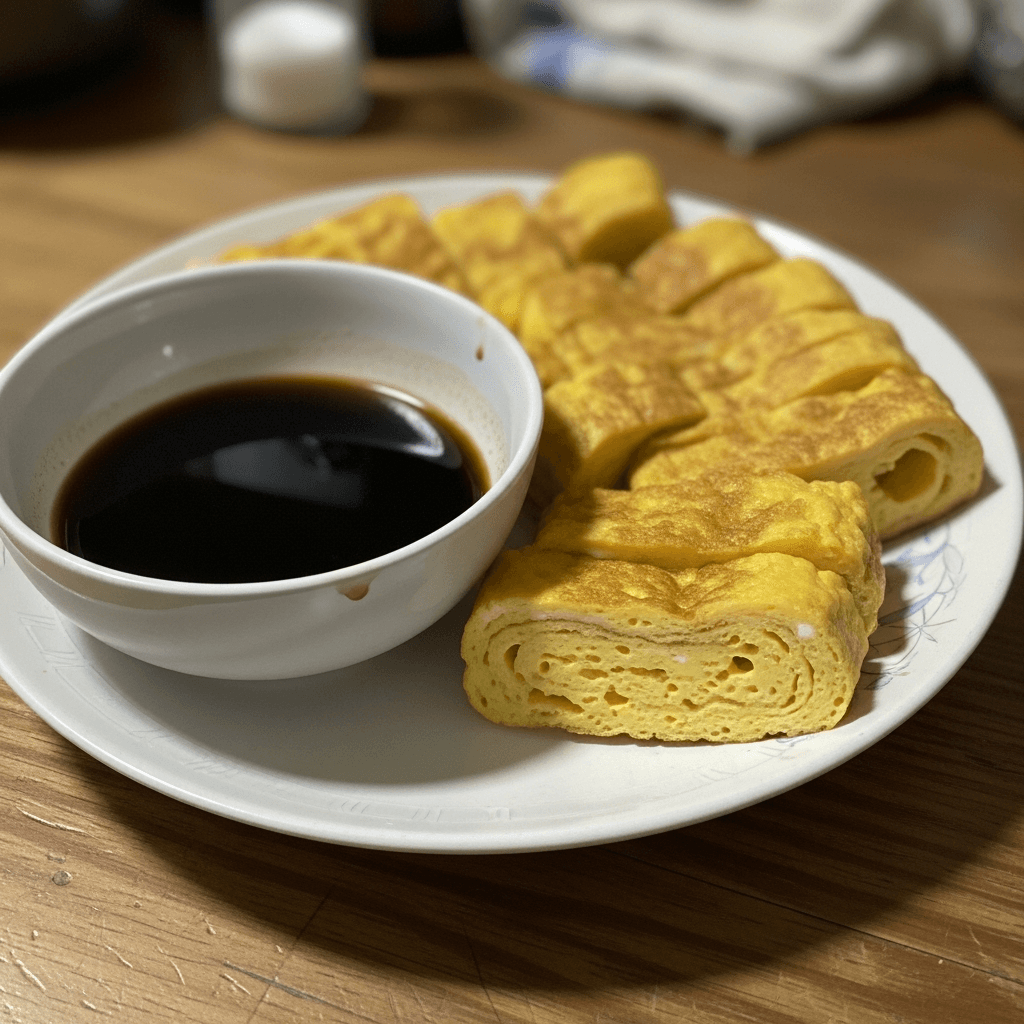
Wholesome Tamagoyaki with Soy Dipping Sauce
When I was a boy, my grandmother would wake before the sun to prepare simple breakfasts for our family. She would hum quietly while she whisked eggs in a small bowl and warmed the tamagoyaki pan. The gentle steam and the sweet, savory scent of cooking eggs still bring me back to her kitchen in the countryside. This Wholesome Tamagoyaki with Soy Dipping Sauce is my calm adaptation of her morning ritual, balanced for two and made with patient care. Tamagoyaki is more than a folded omelet. It is a study in texture and umami. The layers should be tender yet slightly springy, the surface glossy but not oily. We coax out umami through a small measure of dashi and soy, and we honor shun by using the freshest eggs we can find. The balance of sweet and savory is quiet, like a morning greeting. Cooking this dish is a slow, attentive practice. We measure, we heat gently, and we fold each layer with respect. The dipping sauce is simple and bright; it does not overpower but complements. Allow the sauce to sit briefly so its flavors meld, and taste it with patience. I invite you to move slowly as you prepare this breakfast. Breathe. Listen for the soft change in sound as the egg sets. Watch the color deepen to a warm gold. In the quiet of the kitchen we offer thanks for what the earth has given us, and we present a small, harmonious meal to begin the day.
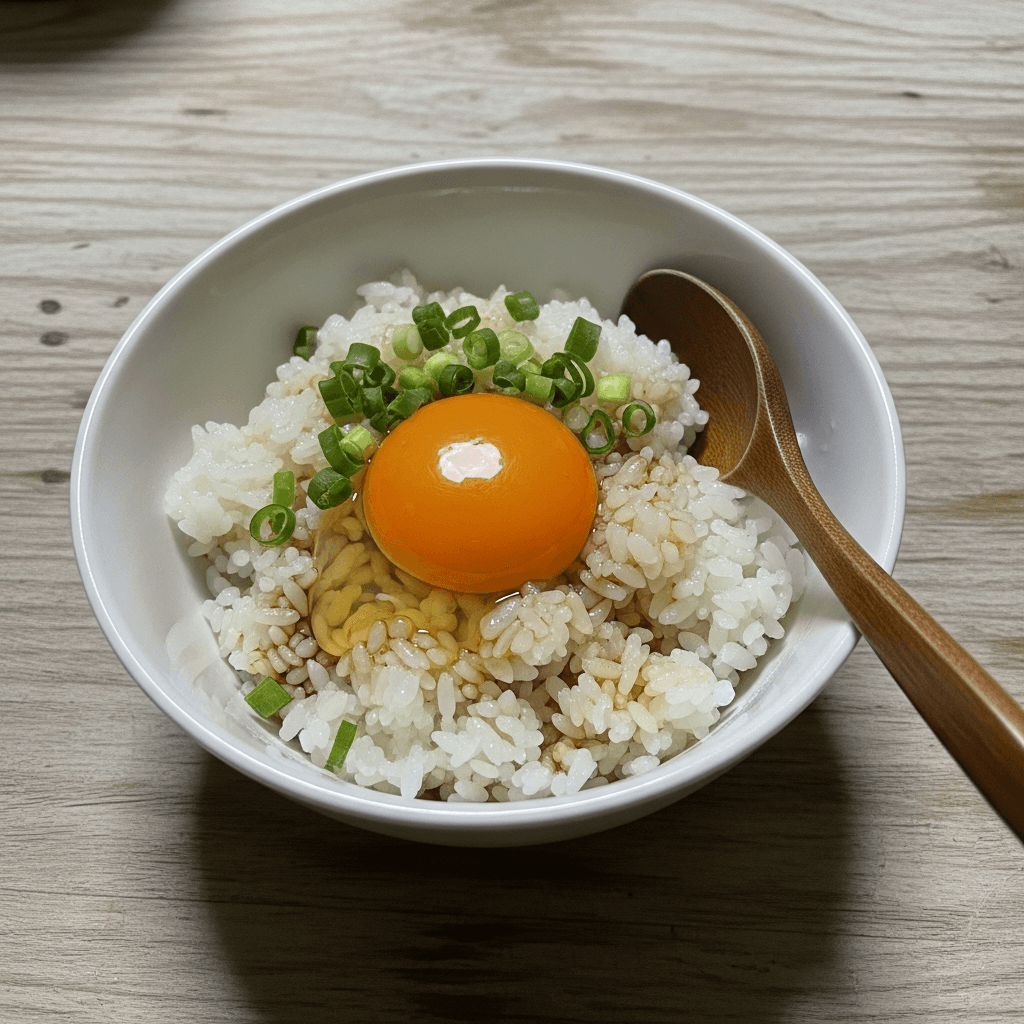
Nourishing Tamago Kake Gohan
When I was a boy visiting my grandmother in the countryside, she would wake before dawn to tend the garden and the hearth. On the coldest mornings she served a simple bowl of Tamago Kake Gohan, an offering of warm, freshly steamed rice crowned with a bright raw egg and a gentle splash of soy. We ate quietly, letting the steam and aroma gather like a small prayer. That memory shaped my understanding of breakfast as nourishment for both body and mind. Tamago Kake Gohan is a humble dish that sings with umami. The egg brings silk and richness, soy adds depth and salt, and a touch of dashi or toasted sesame oil lifts the flavor into balance. In Washoku we celebrate shun, the seasonality of ingredients, so choose eggs from hens that have been fed well and rice harvested recently. When each element is cared for, even a simple dish becomes a celebration. This version is nourishing and mindful. I encourage you to use very fresh or pasteurized eggs for safety and to make a small dashi or use a light kombu broth if you have it. Taking a moment to prepare the components slowly will reward you with a creamy, comforting bowl that steadies the morning. Before you begin, breathe slowly. Good flavor takes time. Treat each action as a small act of gratitude for the food and the hands that brought it to your table.
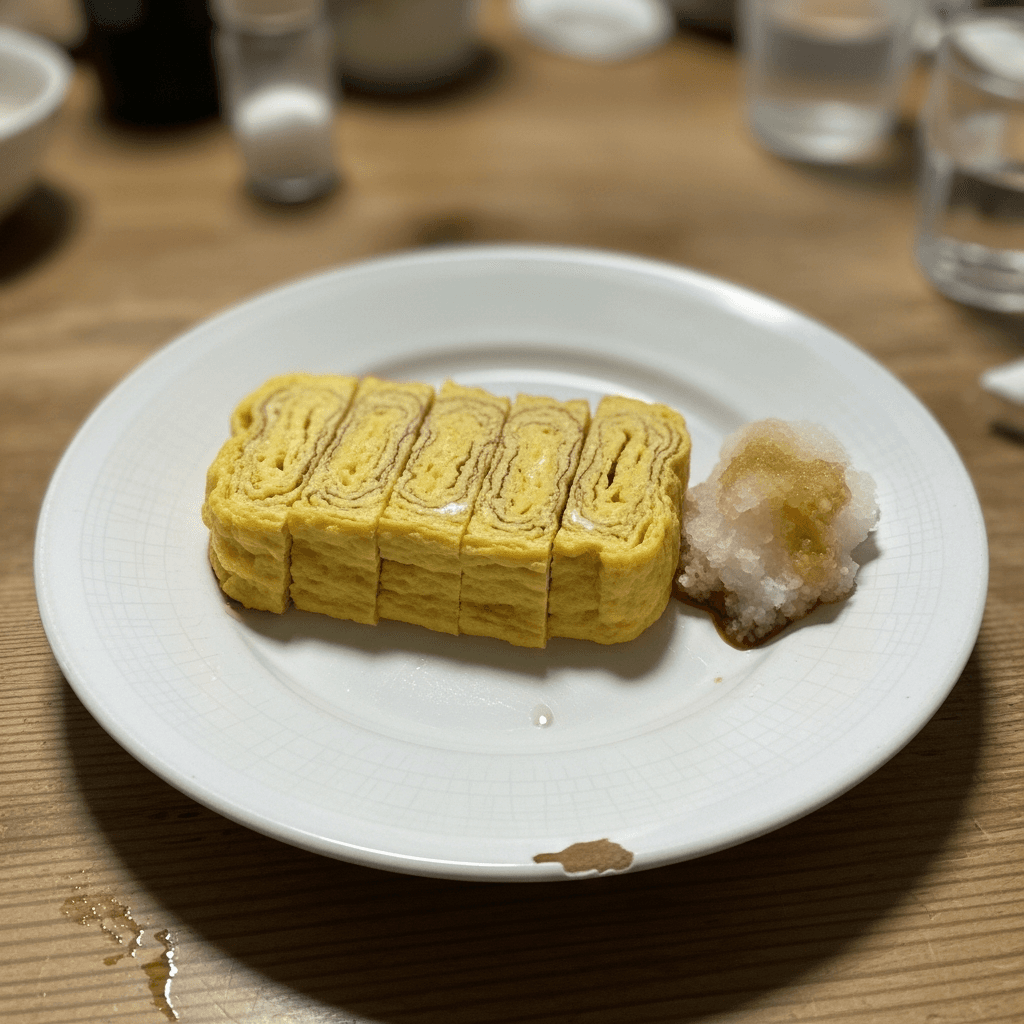
Traditional Tamagoyaki with Daikon Radish
When I was a young man visiting my grandmother in the countryside, she would rise before dawn and light the wood fire for breakfast. She made tamagoyaki by hand in a small rectangular pan, rolling each thin layer with the calm rhythm of someone who has known the seasons well. The warm, folded egg, slightly sweet and softly savory, was always placed beside a mound of freshly grated daikon radish. The steam and the scent of dashi carried through the kitchen like a morning prayer. This tamagoyaki is a memory of that quiet kitchen. The sweetness of mirin and sugar balances the umami of dashi and soy. The grated daikon offers a cool, crisp counterpoint. In washoku we seek harmony of taste, texture, and season, and this dish is a simple example. Eggs are soft and tender, the daikon is fresh and bright, and together they greet the day with gentle balance. Take time with the preparation. We slice the daikon and grate it with care. We whisk the eggs with patience so the mixture is silky, not foamy. We cook each layer slowly, listening to the soft sizzle as the egg meets the pan. Good flavor takes time, and the practice of making tamagoyaki can become a morning meditation. I invite you to move slowly and respectfully through each step. Notice the change in aroma as the egg sets, watch how the layers cling to each other, and feel the quiet satisfaction of a simple, well-made breakfast. This is a dish to share, to nourish both body and spirit.
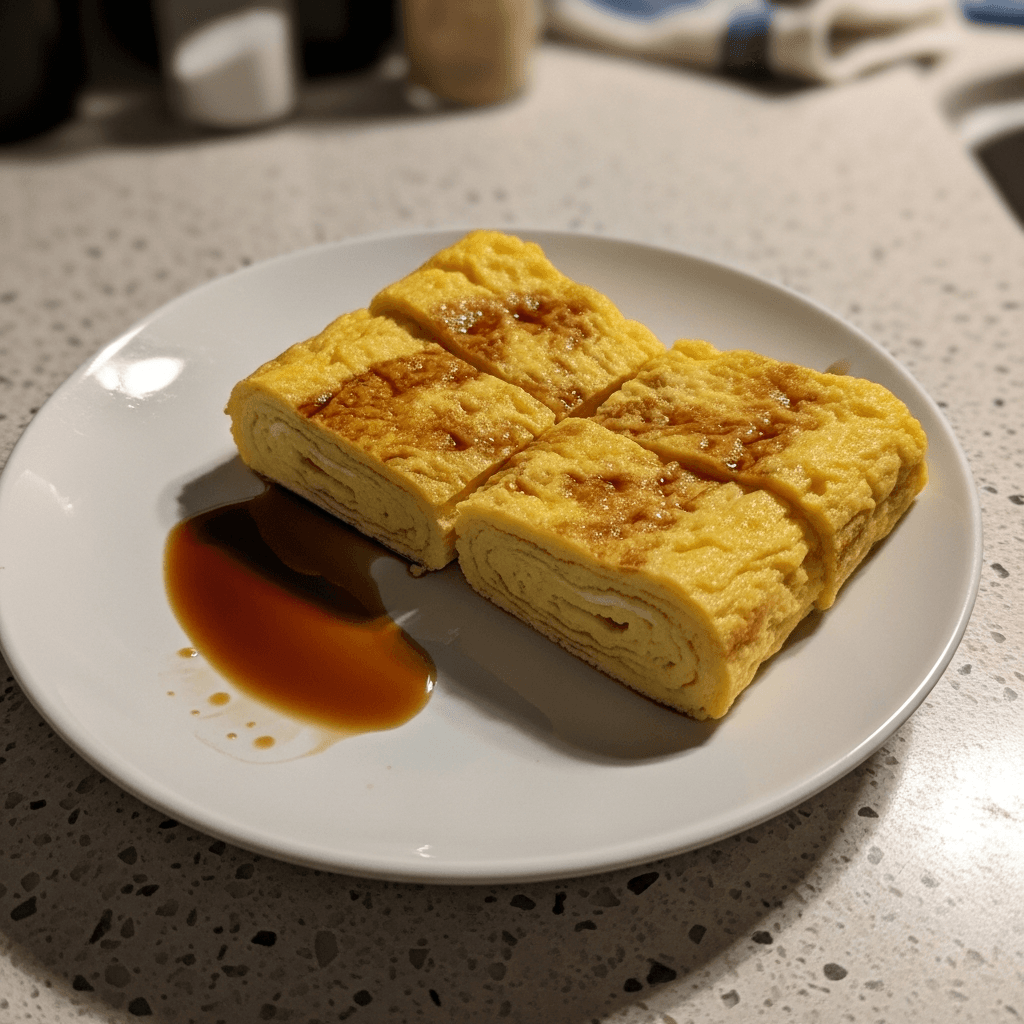
Fluffy Tamagoyaki with Soy Sauce
When I was a child, my grandmother would wake before dawn and make tamagoyaki for the family. The pan hissed softly as she poured the egg, folding each layer with slow, careful hands. That memory of warmth and gentle rhythm lives in this recipe. I adapted her simple seasoning to highlight the egg's sweetness while adding a whisper of soy to deepen the umami. Tamagoyaki is more than a rolled omelet. It carries the philosophy of washoku, a harmony between taste, texture, and season. The layers of egg should be tender and airy, with a savory note that honors the ingredients. In the morning, this tamagoyaki is comfort and calm. It invites you to eat slowly, to notice steam rising, and to listen to the small sounds of breakfast being made. The flavor profile balances sweetness, salt, and umami. Soy sauce adds depth without overpowering the egg. A light dashi wash can bring the sea and field together in one delicate sip of taste. Use the freshest eggs you can find. Good eggs have a bright yolk and a gentle aroma. They will reward your patience with a richer texture and color. Allow the process to be a quiet practice. We slice against the grain to respect the texture. We fold in thin layers to create air and light. Treat each step as if you are tending a small garden. The result is a breakfast that comforts body and mind, a piece of morning peace on your table.
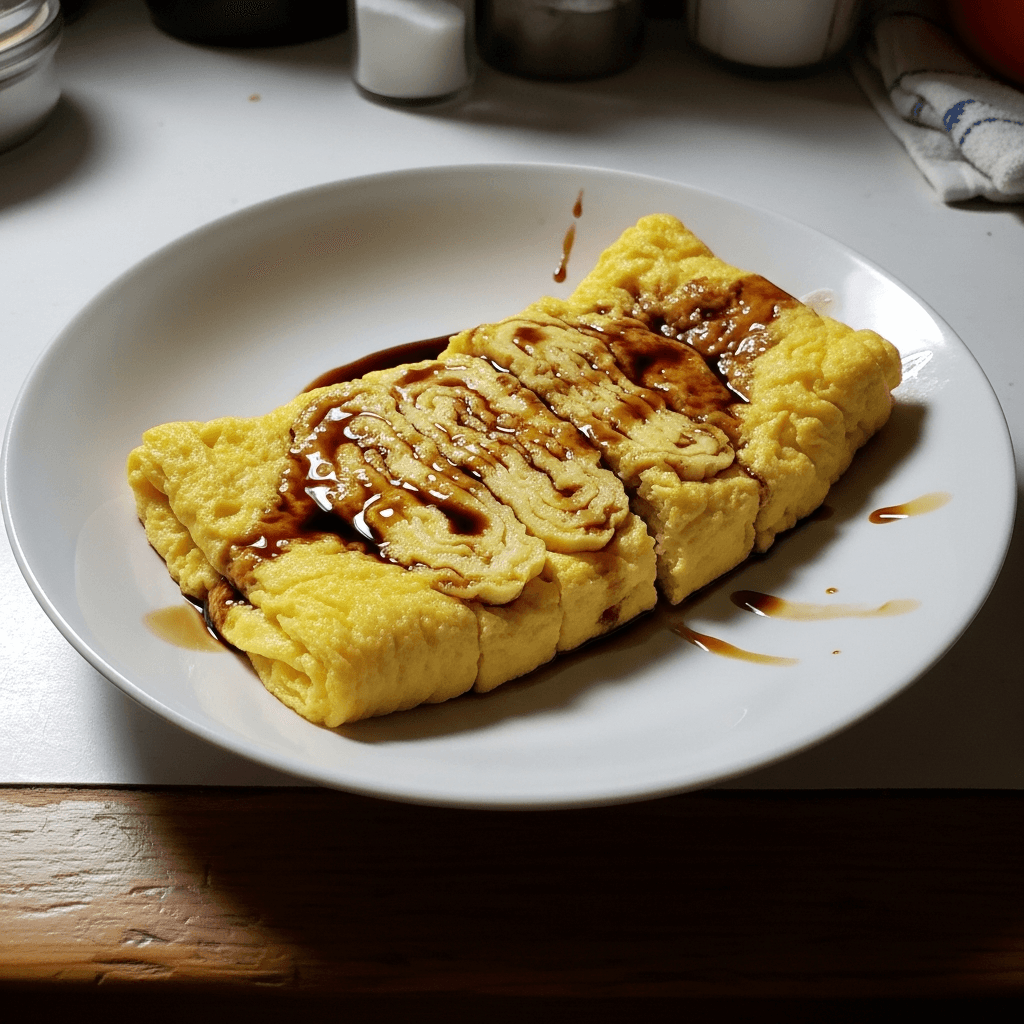
Fluffy Tamagoyaki with Sweet Soy Glaze
When I was a child, my grandmother in the countryside would wake before dawn to prepare a simple breakfast for the family. She would heat the small tamagoyaki pan and, with slow, careful movements, roll layer after golden layer of egg. The aroma of sweet soy and warm eggs filled the kitchen and the moment felt like a quiet festival of morning, gentle and full of gratitude. This tamagoyaki is a memory and an offering. It celebrates umami and balance: the sweetness that comforts, the soy that deepens, and the dashi that gives a subtle sea-scent harmony. In Washoku we honor seasonality and texture. A fluffy, moist tamagoyaki respects the egg’s delicate spirit and the patience we bring to the pan. Cooking this is a practice of mindfulness. We measure, mix, and pour with intention. We listen for the soft hiss of the egg as it meets the pan and watch the color shift from pale gold to a warm amber. These small attentions yield a breakfast that soothes and restores. Please slow your hands and enjoy the rhythm. The glaze at the end is optional but recommended for a gentle shine and a whisper of caramelized soy. Serve it with a small mound of grated daikon or steamed rice and you will find that the morning becomes a ceremony of simple, balanced flavors.
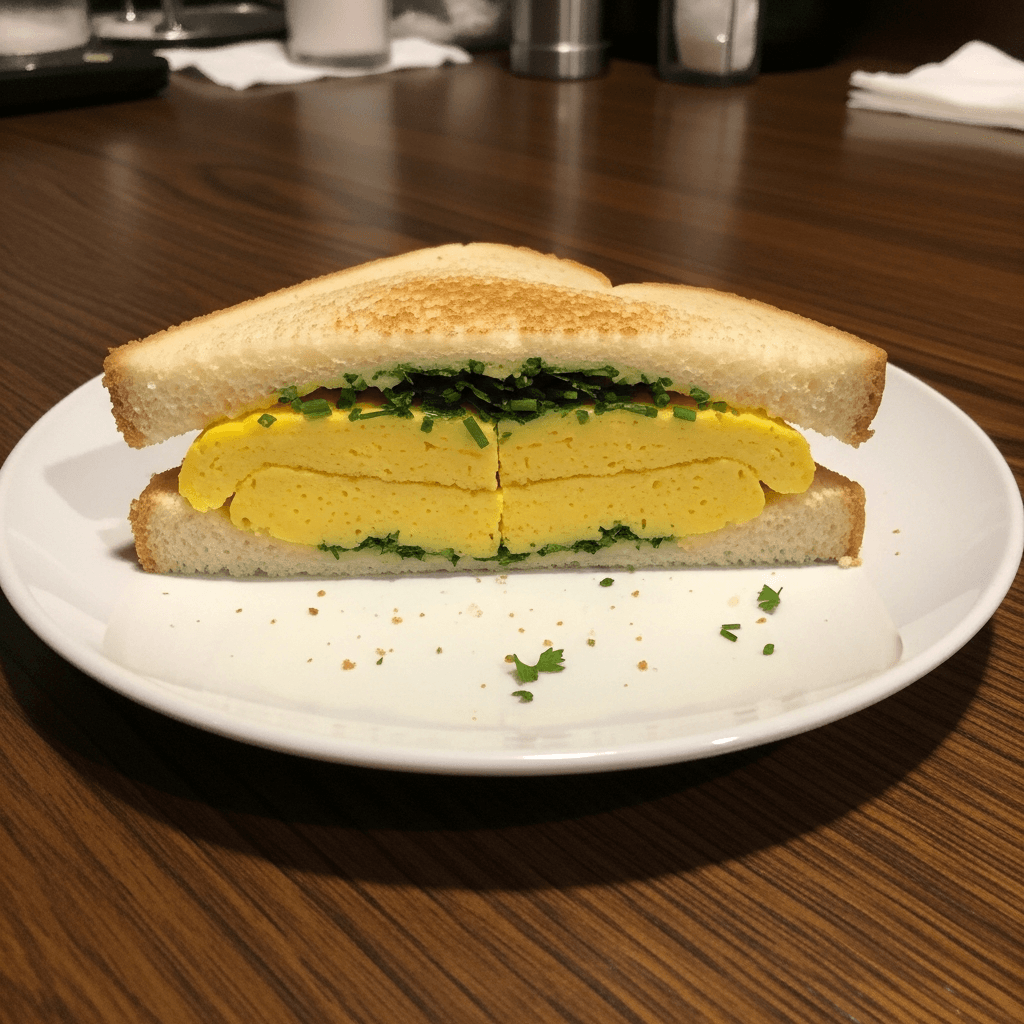
Fluffy Tamago Sandwich with Fresh Herbs
When I first made this sandwich for my niece, she took one bite, closed her eyes, and smiled in a way that made the morning feel sacred. The recipe is a small bridge between the old and the new. It recalls the warm kitchen of my grandmother in the countryside, where she would fold soft, seasoned eggs between slices of bread and ask us to eat slowly so the flavor would last. In Japan we cherish shun, the seasonality of ingredients. Here I invite fresh herbs into a humble tamago to brighten and lift the egg's natural sweetness. The dashi and a touch of mirin bring quiet umami so the sandwich feels balanced rather than cloying. The contrast of airy egg and soft bread is a lesson in texture harmony. Make this breakfast as an act of care. Whisk the eggs patiently. Heat the pan gently. We slice against texture to respect the bite. Good flavor takes time, so do not rush the dashi or the resting of the cooked egg. The process is simple enough for a weekday, but mindful enough to slow a hurried morning. This sandwich is more than convenience. It is a practice of gratitude. You will find the herbs awaken the spirit of the dish and the mayonnaise adds a familiar comfort that ties the flavors together. Each mouthful is both gentle and quietly rich, a harmony of taste, texture, and season.