Traditional Tamago Sandwich with Soy Sauce
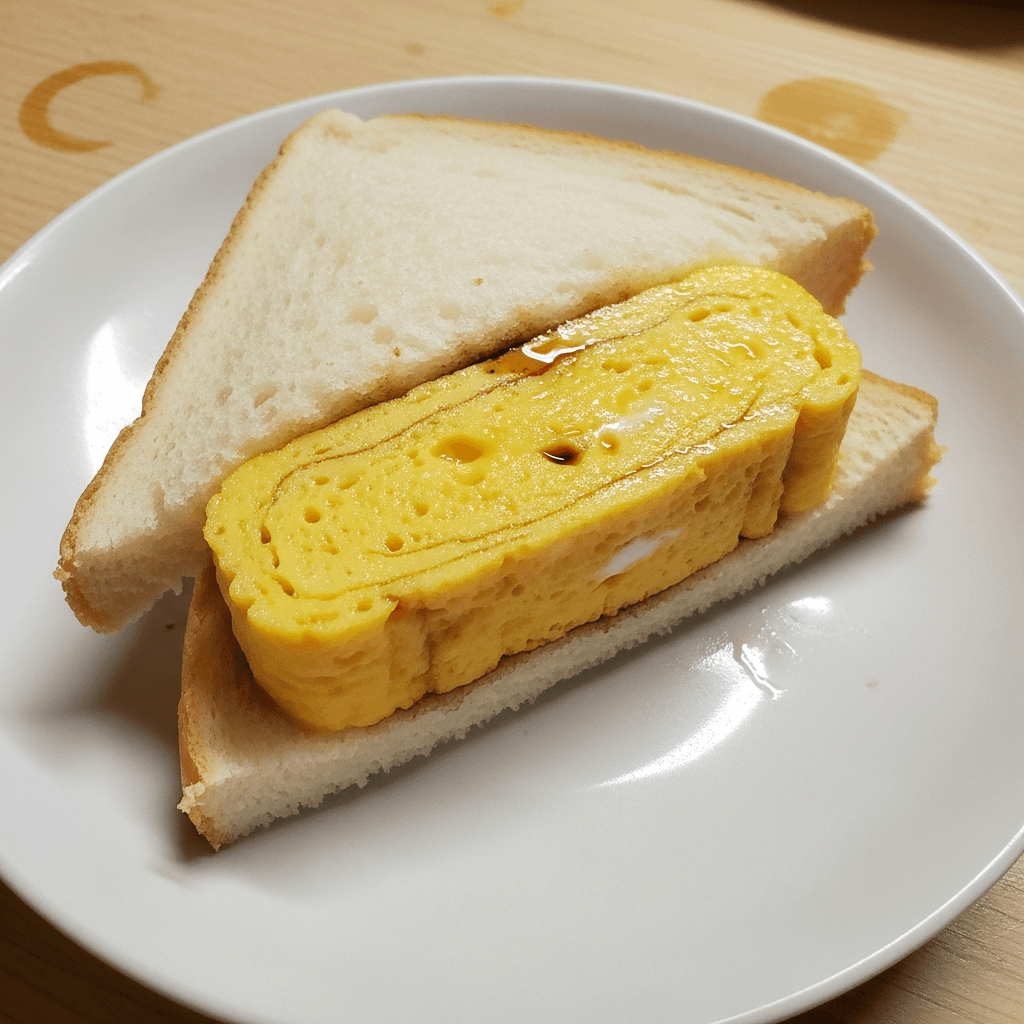
When I was a boy, my grandmother would make tamago sandwiches for us on cool mornings after rice had been eaten and the hearth was still warm. She would roll the omelette with the careful hands of someone who had tended a family for decades, and she always added a whisper of soy sauce. The sandwich was simple, humble, and full of comfort. I learned to move slowly watching her, like a quiet practice that held gratitude. This sandwich is a small lesson in Washoku, the harmony of food. The rolled egg offers a tender texture, the soy sauce brings umami and balance, and the soft shokupan bread cushions both. In morning light the flavors are gentle but complete, a reminder that seasonality and restraint can be as nourishing as abundance. We honor the ingredient by treating it simply and with respect. Umami is the heart of this dish. Soy sauce and a touch of dashi deepen the egg's natural savor without overwhelming its sweetness. We pay attention to texture as well. The tamagoyaki should be silky and layered, the bread pillowy. When you eat, slow down. Notice the softness, the warmth, the scent of toasted bread and the faint sweetness of cooked egg. I invite you to approach this recipe as a short meditation. Measure carefully, roll patiently, and plate with gratitude. Good flavor takes time. Do not rush the cooking or the folding. The act of making this sandwich is itself a way to begin the day with calm and appreciation.
Total time
30 min
Servings
2
Difficulty
easy
Prep
15 min
Cook
15 min
Market list
Ingredients
Method
Instructions
Prepare your mise en place. Crack the eggs into a shallow bowl. Measure the dashi, soy sauce, mirin, sugar, and the pinch of salt. Have your tamagoyaki pan or small nonstick frying pan, spatula, and a bamboo sushi mat or clean kitchen towel within reach.
Gently whisk the eggs with the dashi and seasonings. We are looking for an even, pale mixture. Do not overbeat. The goal is to combine the ingredients while keeping the air light. The aroma should be faintly savory and sweet.
Heat the pan over medium-low heat. Add a small piece of butter and let it melt slowly. You will see a thin, gleaming film of butter on the surface. The pan should be warm but not smoking. If it is too hot, the egg will brown quickly and lose its tenderness.
Pour a thin layer of egg mixture, just enough to coat the base. Tilt the pan so the egg spreads evenly. Listen for the gentle change in sound as the egg begins to set. When the surface is still slightly glossy but the underside is set, begin to roll the egg away from you in one smooth motion using the spatula or chopsticks.
Push the rolled egg to the far side of the pan. Re-butter the exposed pan if needed. Pour another thin layer of egg so it flows under the rolled piece. This bonds the new layer. When it is nearly set, roll again toward the center. Repeat until all egg is used and you have a neat, multilayered roll. Aim for a soft, slightly springy texture rather than a firm cake.
Transfer the roll to a bamboo mat or towel and shape gently while still warm. Wrap lightly and let rest for 3 to 5 minutes. Resting helps the roll stabilize and keeps moisture even. The aroma should be warm, sweet, and savory.
While the egg rests, lightly toast the bread if you like. Toasting should be brief so the bread remains soft inside while gaining a delicate golden surface. Brush a tiny amount of soy sauce on one slice if you wish for added umami, applied gently so it does not make the bread soggy.
Slice the tamagoyaki into thick pieces to fit the bread. Spread mayonnaise on the inner sides of the bread. Place the egg slices on the bread with a shiso leaf or microgreens for freshness. Close the sandwich, then press gently to unify the layers.
Trim crusts if you prefer a classic Japanese presentation and cut the sandwich in half with a single, decisive motion. The cut surface should reveal tidy layers of egg and bread. Serve immediately with a small portion of pickled ginger on the side to cleanse the palate.
Sit quietly for a moment before eating. Notice the warmth and fragrance of the sandwich. Breathe, and then enjoy each bite slowly.
Kitchen whispers
- ✦Hiro's Notes on Harmony: Use a tamagoyaki pan if you have one. The rectangular shape helps create even layers, but a small round nonstick pan will work well if you cannot find one.
- ✦Hiro's Notes on Harmony: Control the heat. Medium-low is your ally. If the egg browns too quickly the texture will become firm. Gentle cooking preserves silkiness.
- ✦Hiro's Notes on Harmony: Rest the roll briefly. A short rest evens moisture and makes slicing cleaner. Warm, not hot, gives the best texture.
- ✦Hiro's Notes on Harmony: Balance the soy. A little soy sauce adds umami. Too much will dominate the egg. Taste and adjust, honoring restraint.
- ✦Hiro's Notes on Harmony: Presentation is part of the meal. Trim edges with deliberate care. We eat with our eyes first, so arrange the sandwich simply and with balance.
Nutritional glance (per serving)
520
Calories
22 g
Protein
44 g
Carbs
28 g
Fat
2 g
Fiber
Ichi-go ichi-e (One time, one meeting). This proverb reminds us to treasure the present moment and the unique meeting of hands, ingredients, and time. You have moved with care and patience to make this simple breakfast. Now sit and savor it fully, knowing this small, mindful effort is itself a practice of harmony.
Tea letters
Comments (0)
Please to leave a note.
No letters yet—be the first.
Tags