Drinks Recipes
Discover delicious drinks recipes

Served Chilled Hojicha Brew
When summer light softens the wooden beams of my kitchen, I think of hojicha cooled and served with quiet reverence. As a child I remember my grandmother placing a simple brown teapot on the table after a long afternoon in the fields. The roasted leaves filled the room with a warm, nutty scent that seemed to hold the whole day together. This chilled hojicha is my way of keeping that memory alive while offering a gentle refreshment to family and friends. Hojicha is a roasted green tea. The roasting changes the character from grassy to toasty, drawing out a soothing warmth that is both savory and slightly sweet. It carries umami in a subtle way, the kind that sits pleasantly on the palate and invites slow sipping. Served chilled, the tea becomes a calm, clarifying presence, perfect for seasons when we seek coolness but also comfort. This recipe honors Washoku principles: simplicity, seasonality, and harmony. We use good water, freshly roasted leaves, and patience. The process is small and deliberate: a controlled heat, a measured steep, and a gentle cooling. Each step is a chance to practice gratitude for the ingredients and mindfulness in the act of making. Take your time. Good flavor asks us to slow down. Bring attention to the aroma as it rises, to the colour of the tea as it deepens, and to the way a chilled sip settles into the body. This is not merely a drink. It is a quiet ritual that respects nature and the hands that brought these leaves to us.
Heartwarming Matcha Latte
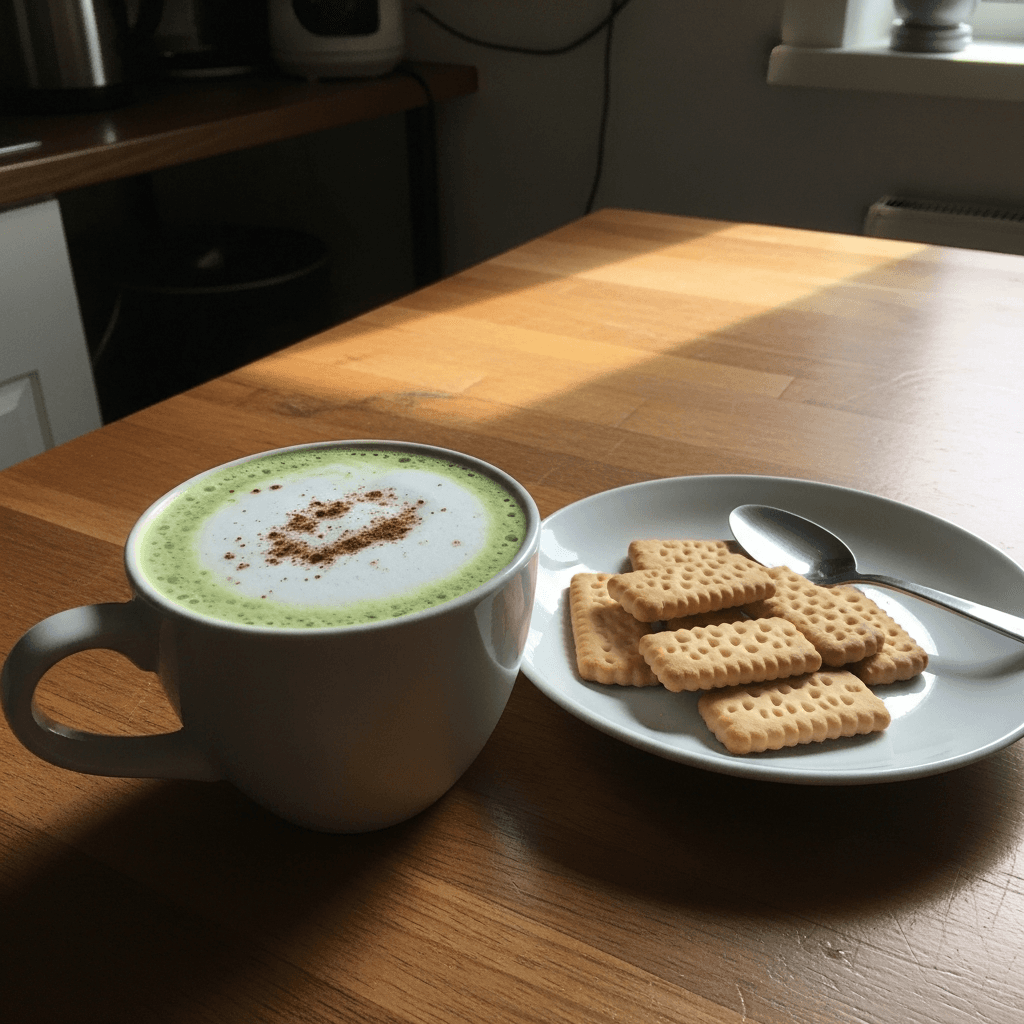
When the first cold wind comes through the trees in late autumn, my mind drifts to a small kitchen in the countryside where my grandmother would lift a steaming bowl of green tea to her lips and close her eyes with a soft smile. This Heartwarming Matcha Latte is a gentle adaptation of those memories. It is not a formal tea ceremony, but a quiet cup for a morning of intention or an evening of gentle unburdening. I make it for my family when we need warmth and a moment to breathe. Matcha holds a special place in Japanese taste because it carries umami, a roundness that fills the mouth and lingers like good company. With milk the texture becomes creamy and calming, and the slight bitterness of matcha balances with a touch of sweetener to create harmony. In Washoku we speak of shun, the seasonality of ingredients. In colder months, warming textures and comforting flavors are welcome. The vibrant green of matcha is a reminder of life even in quiet seasons. Please move slowly as you make this. Respect the powder by sifting it and respect the water by using the right temperature. We whisk not to rush, but to invite air and soft foam so the cup feels like a small offering. The ritual of preparing this latte can be a meditation. Notice the aroma, the sound of the whisk, the way steam curls from the milk. This recipe gives simple choices for dairy and plant-based milks and a few gentle variations for sweetness. I encourage you to treat each step with care. Good flavor takes time, so do not hurry the water or the whisking. When you sip, close your eyes for a moment. Let the warmth remind you of gratitude for small things.

Delightful Cherry Blossom Infused Water
When I was a young man, my family would visit the riverside in Kyoto during sakura season. After watching the blossoms float on the water, my grandmother would bring a small jar of salted cherry blossoms that she had carefully rinsed and set aside. She would steep them in cool water and hand each of us a cup. The scent was delicate, floral, and quietly joyful. That memory is the heart of this recipe. This cherry blossom infused water celebrates seasonality and subtlety. In Japan we honor shun, the moment when an ingredient is at its fullest expression. The preserved sakura carries the fragrance of spring and a faint saline note that lifts the floral aroma. Here we balance fragrance, clarity, and simplicity so the water remains light and contemplative rather than sweet or heavy. Though this drink has no overt umami like miso or dashi, it still speaks to the Washoku spirit: harmony among elements, respect for the ingredient, and pleasure in restraint. Allowing the blossoms to unfurl in water releases aroma slowly. Good flavor asks only patience and attention, not force. I invite you to prepare this gently. Treat rinsing and steeping as a small meditation. As you sip, notice the softness of the aroma, the coolness on the tongue, and the way a single flower can change the feeling of a meal. Drink with gratitude for the season and the hands that tended the blossoms.
Traditional Matcha Tea Ceremony (Usucha)
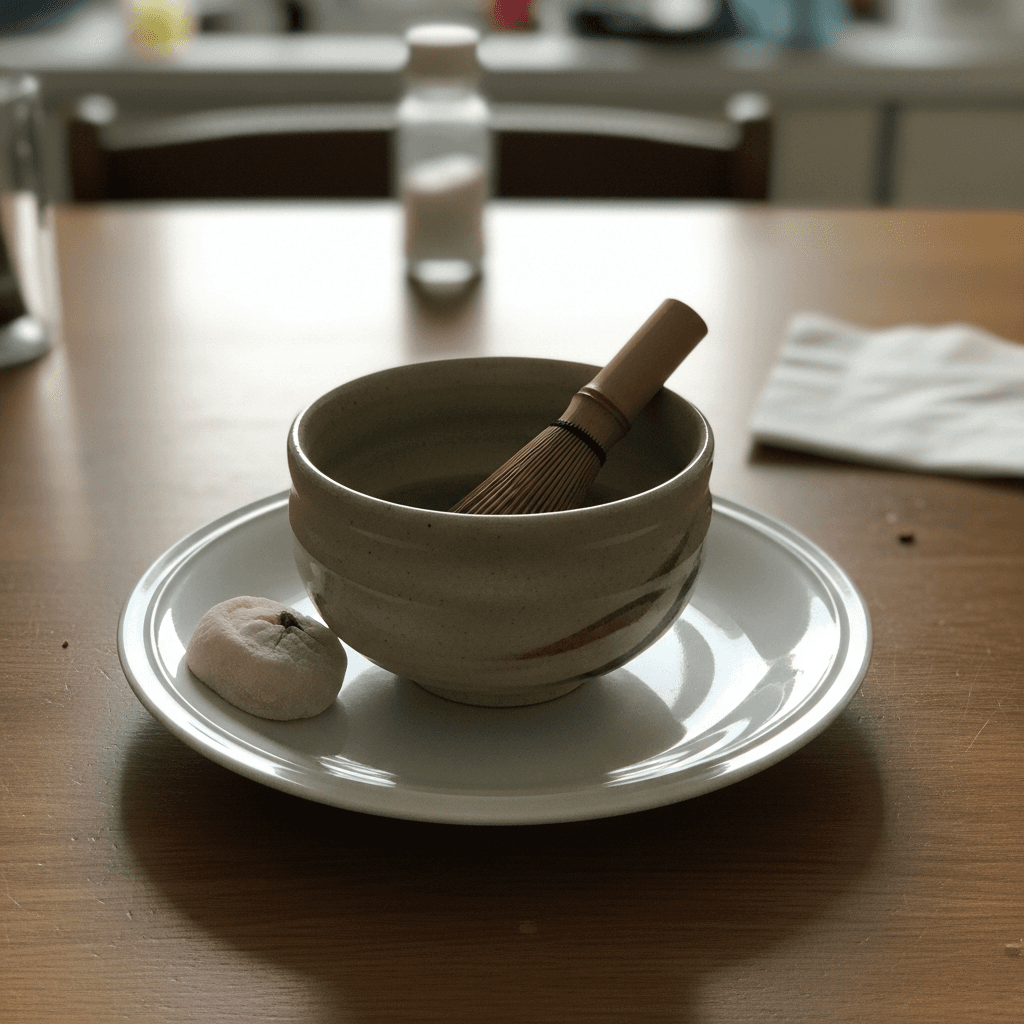
When I was a boy, I would sit quietly on the tatami at my grandmother's countryside home while she prepared matcha for the family. The steam rose slowly from the kettle and the bamboo whisk made a soft, steady whisper as she worked. Those moments taught me that making tea is not only about flavor but about presence. Each movement is a way of giving thanks to the tea, the water, and the hands that bring them together. The matcha ceremony is rooted in harmony, respect, purity, and tranquility. The flavor of ceremonial matcha is a gentle combination of vegetal sweetness, a round umami depth, and a bright, clean finish. We follow the seasons. In spring we might choose a lighter, floral matcha. In colder months a richer, more robust leaf can warm both body and spirit. The ritual gives us permission to slow down and note each detail—the color of the froth, the sound of the whisk, the warmth of the bowl. This recipe describes the simple usucha style of whisked matcha, a form used for everyday hospitality. We focus on technique: sifting to remove clumps, warming the bowl so the tea blooms gently, and whisking with intention to create a smooth, creamy foam. Good water and a fine, ceremonial grade matcha are the heart of the cup. Respect the ingredients and they will reward you. Prepare a quiet place, lay a small sweet beside the bowl, and allow the preparation to be a meditation. Move slowly, breathe, and remember that every step is an offering. The result will be peace in a cup and a deeper appreciation for the simple gifts of nature.
Traditional Matcha Green Tea Bliss
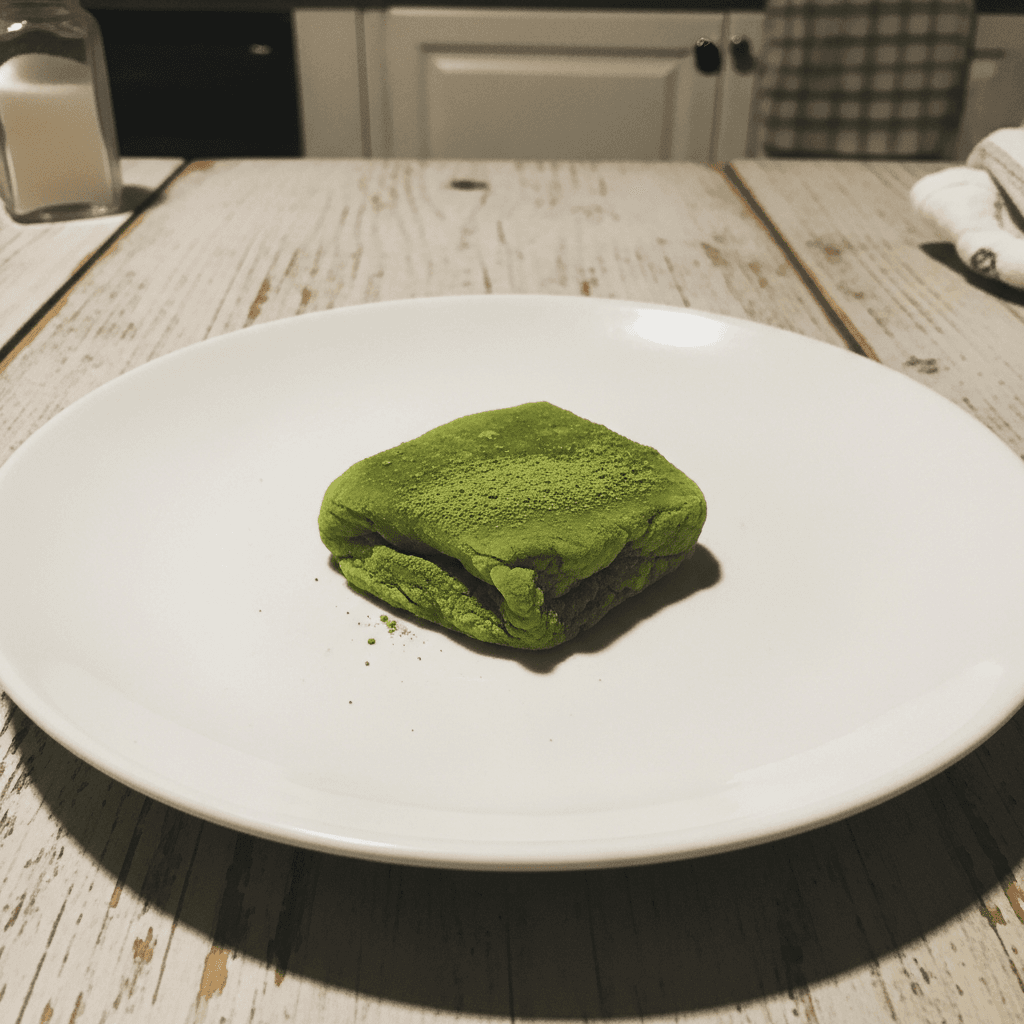
When I was a child, my grandmother would warm a small chawan with her hands and whisper, Your hands have to be calm for tea to be calm. This recipe for Traditional Matcha Green Tea Bliss comes from that quiet practice. It is simple, but it asks for attention. I remember the afternoon light in our countryside kitchen and the soft scent of steamed rice and green tea. Preparing matcha felt like a small ritual of gratitude for the season's leaves. Matcha is more than flavor. It carries umami, a rounded savory presence that lifts the green sweetness of the leaf. Ceremonial grade matcha offers a bright vegetal aroma and a lingering, creamy mouthfeel when whisked well. In Washoku we honor shun, the seasonality and peak moment of ingredients. When matcha is fresh and high quality, the experience is vivid and balanced without needing many additions. This drink invites slowness. We measure gently, sift carefully, and whisk with intent. The sound of the whisk and the froth that rises are part of the meditation. The goal is harmony of color, texture, and scent. Whether you make this for a single quiet moment or to welcome a guest, treat each step as an offering. Take this as an invitation to pause. Make the water just shy of boiling. Feel the warmth of the chawan. Listen to the whisk. The reward is not only a clean, bright cup of matcha, but a moment of calm stitched into your day.
Traditional Matcha Green Tea Elixir
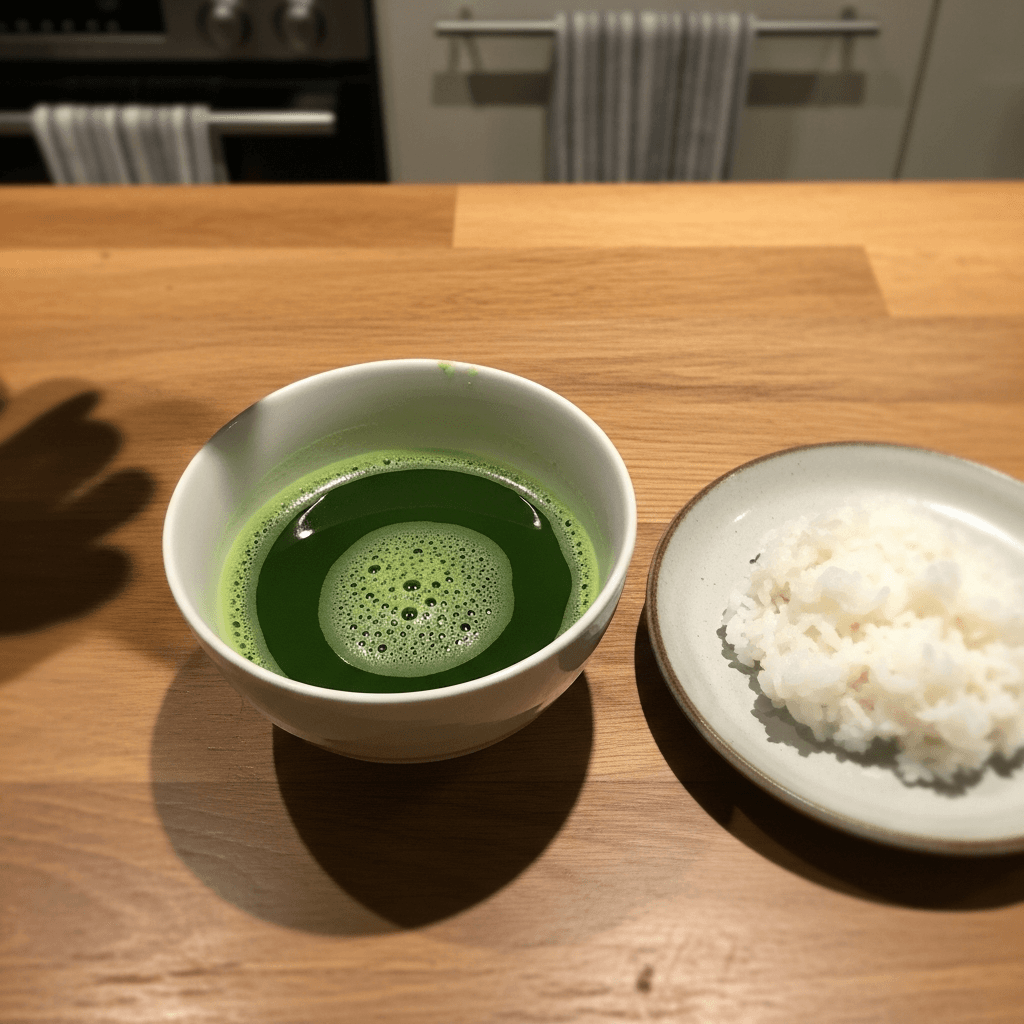
When I was a young man visiting Kyoto in early spring, the air smelled of pine and sweet plum blossoms. An elderly tea master invited me into a quiet tearoom, and we shared a bowl of thick matcha by the soft light of a paper lantern. That first sip taught me how a simple blend of stone-ground leaves and warm water could quiet the mind and call the senses into attention. This Traditional Matcha Green Tea Elixir is a gentle echo of that memory. Matcha holds a special place in Washoku because it embodies season and spirit. The flavor is bright, verdant, and layered with umami and a whisper of astringency. When the tea is prepared with care the powder blooms into a creamy foam and the aroma lifts gently like the first green of spring. We honor the leaf by using quality matcha and treating each step as a small ceremony. This recipe invites you to slow your hands and listen to the tea. We whisk with patience to release sweetness and to smooth the texture. If you choose to add a touch of honey or warm milk, they are companions meant to enhance, not hide, the matcha. Remember that matcha is about balance of flavor and texture, and about gratitude for the season that grew it. Take this as a quiet practice. Prepare a proper bowl, breathe, and allow the ritual to center you. The process is as nourishing as the elixir itself. In taking care, you show respect for the ingredients and for yourself.
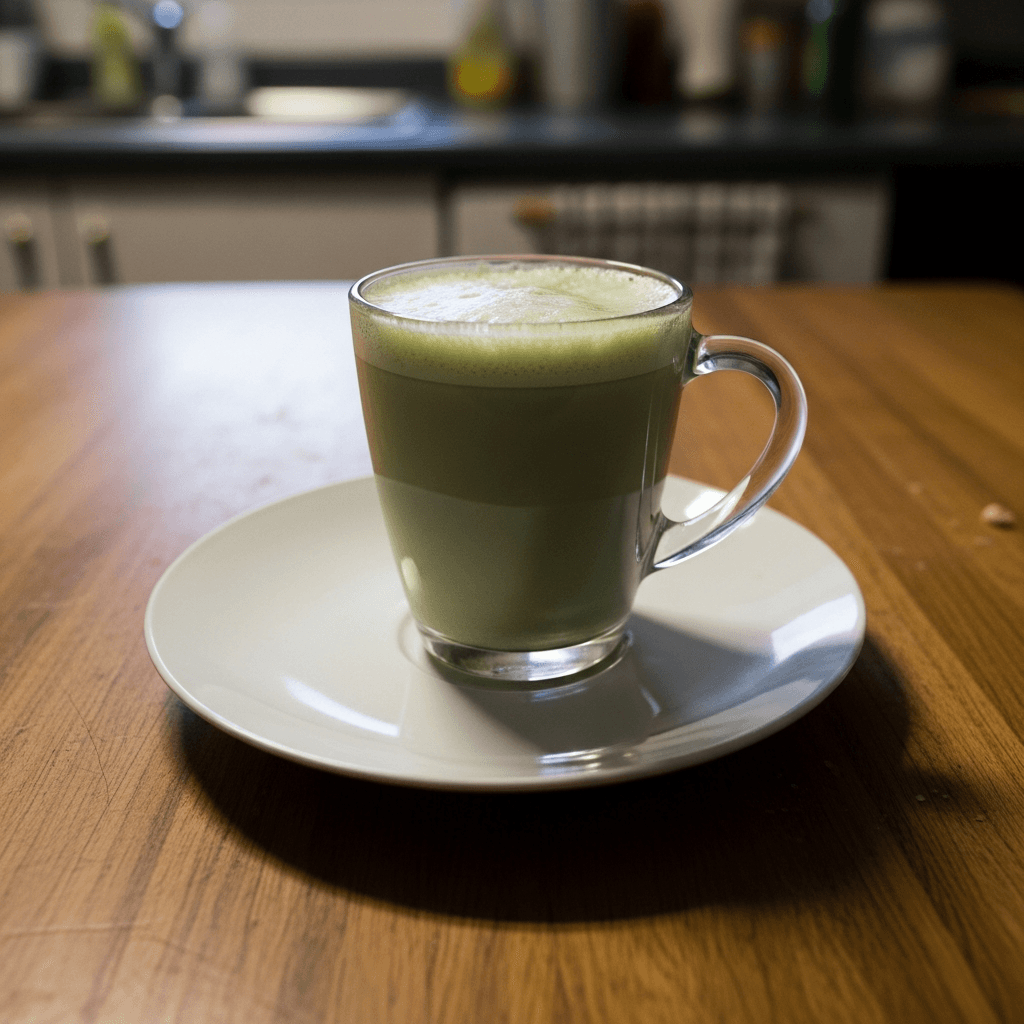
Fragrant Matcha Green Tea Latte
When I first brought a warm cup of matcha latte to my family on a chilly morning, my little niece pressed her palms around the bowl and smiled as if she had found a small sun. That memory lives with me. This Fragrant Matcha Green Tea Latte is a quiet bridge between the ancient tea ceremony and a gentle modern comfort. It is simple, yet layered with aroma and texture. I remember evenings in Kyoto when the air smelled of cedar and sweet rice in the distance. Matcha always carried a sense of ceremony for us. In this recipe I honor that spirit by focusing on balance. The vegetal, slightly bitter green of matcha meets the soft, creamy body of milk and a hint of sweetness. Together they form Umami in drinkable form, a warmth that settles like a small bow of gratitude. Washoku teaches us to respect seasonality and the nature of ingredients. In spring I prefer a lighter milk, or even soy, to let the bright, grassy notes of matcha sing. In autumn I invite a touch more sweetness to mirror the harvest. We prepare matcha with care because the powder holds delicate oils and aroma. Slow and mindful handling preserves its fragrance and clarity. Please take this as an invitation to slow your breath. Measure with intention. Sift the powder, warm the milk gently, whisk with patience. The act of making this latte can be a short meditation. When you lift the cup, taste first with your eyes, then with your lips. You are honoring nature, tradition, and those who will share the moment with you.
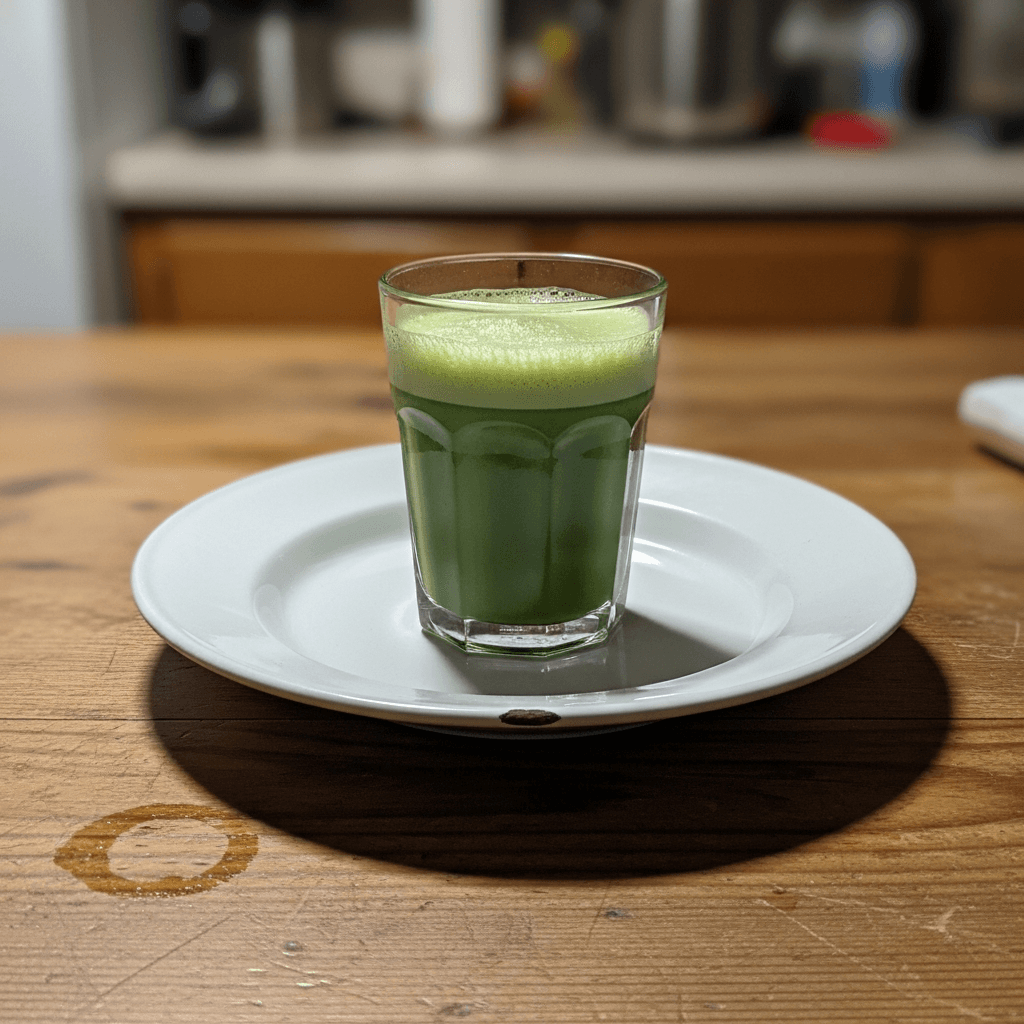
Refreshing Matcha Green Tea Elixir
When I first created this Refreshing Matcha Green Tea Elixir, it was a quiet summer evening after a festival in Kyoto. Lanterns still hummed in my memory and the air smelled faintly of grilled sweetfish. I wanted a drink that cooled the body, lifted the spirit, and honored the simple, bitter-sweet taste of summer greens. I brought together a small bowl of ceremonial matcha, a bright kiss of citrus, and a slow touch of sweetness. My grandchildren sipped it and smiled, and that is how this elixir came to be part of our family ritual. Matcha carries history in each fine powder particle. It is both green and umami, vegetal and round. In Washoku we seek balance: bitter and sweet, warm and cool, aroma and texture. Here the matcha provides a gentle depth, the citrus adds a seasonal brightness, and the chill refreshes. Treating each step with reverence lets the natural flavors speak clearly. This drink is simple yet deliberate. We sift the matcha to remove clumps. We use water at a gentle, controlled temperature to coax out the best aroma without scalding the powder. If you choose honey or a darker sweetener such as kuromitsu, you will find a new dimension of roundness that complements the matcha's umami. Small choices of quality will change the spirit of the cup. Please slow down as you make this. There is meditation in the whisk. There is gratitude in the last drop. Notice how the green brightens when you add cold water, how the aroma opens when you bring the bowl to your nose. This is not only a drink. It is a short ceremony for the everyday, a moment of harmony you can return to through the seasons.
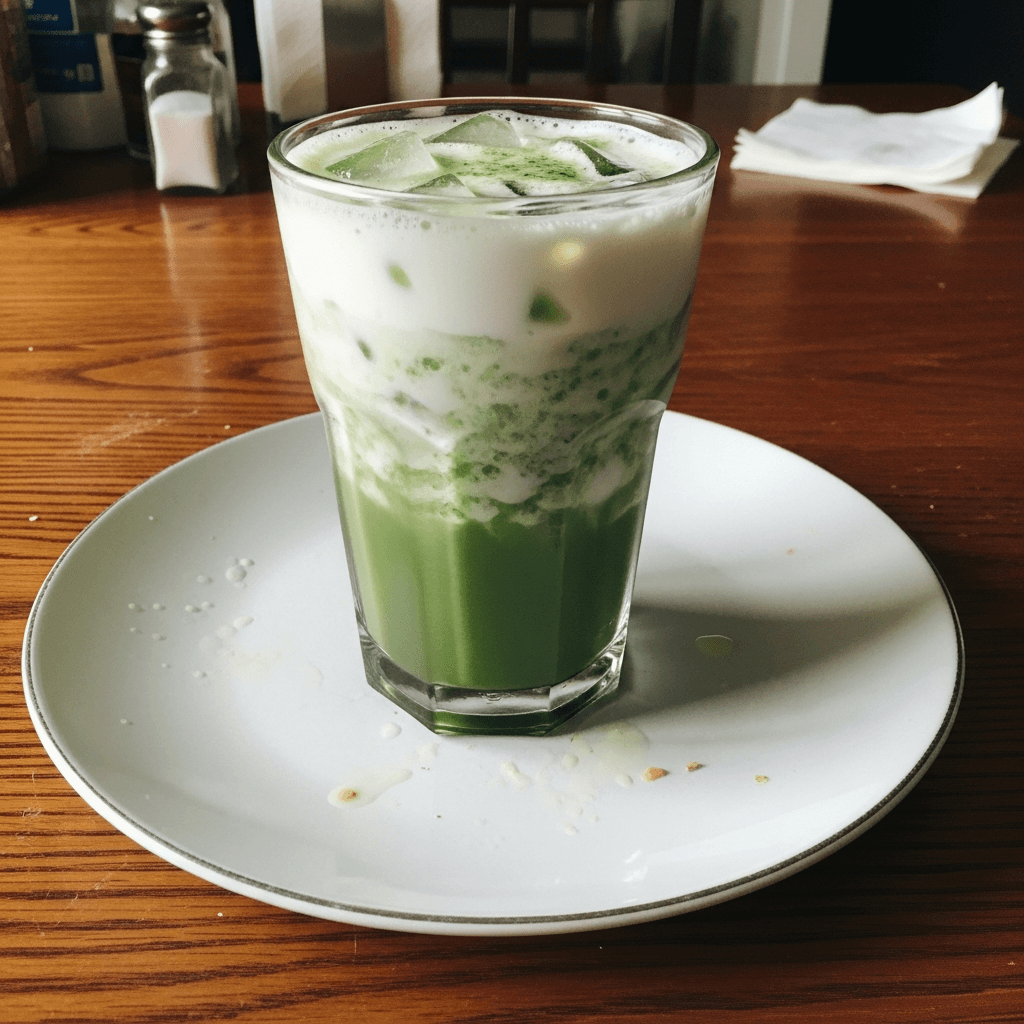
Refreshing Matcha Green Tea Frappe
When summer arrives in my town I remember the bright afternoons I spent with my family beneath a maple tree. My children wanted something cold and lively, and I wanted something that would teach them to respect a simple ingredient. The Matcha Frappe was born from that gentle compromise. It is modern and playful, yet it holds the spirit of a tea bowl: clarity, balance and gratitude. Matcha carries a deep umami that is different from sweet syrups. It is grassy, round and slightly bitter, and when paired with milk and a little sweetness it becomes a layered, refreshing drink. In Japan we speak of shun, the seasonality of ingredients. Even a cold drink is best when made with fresh matcha and milk or plant milk you trust. Take a moment to appreciate the color and aroma as you work. This recipe is simple but mindful. We treat each step as part of a practice. We whisk the matcha gently so it does not clump. We blend with ice to create a texture that is both creamy and crystalline. The process asks us to slow down. There is joy in noticing the bright green foam and the tiny snowlike crystals of the frappe. Prepare this for a friend or for yourself. Pour slowly, watch the layers settle, and take the first sip with thanks. Cooking and making tea are forms of meditation. The drink will be refreshing, balanced and honest. Let it remind you to savor small moments of calm.
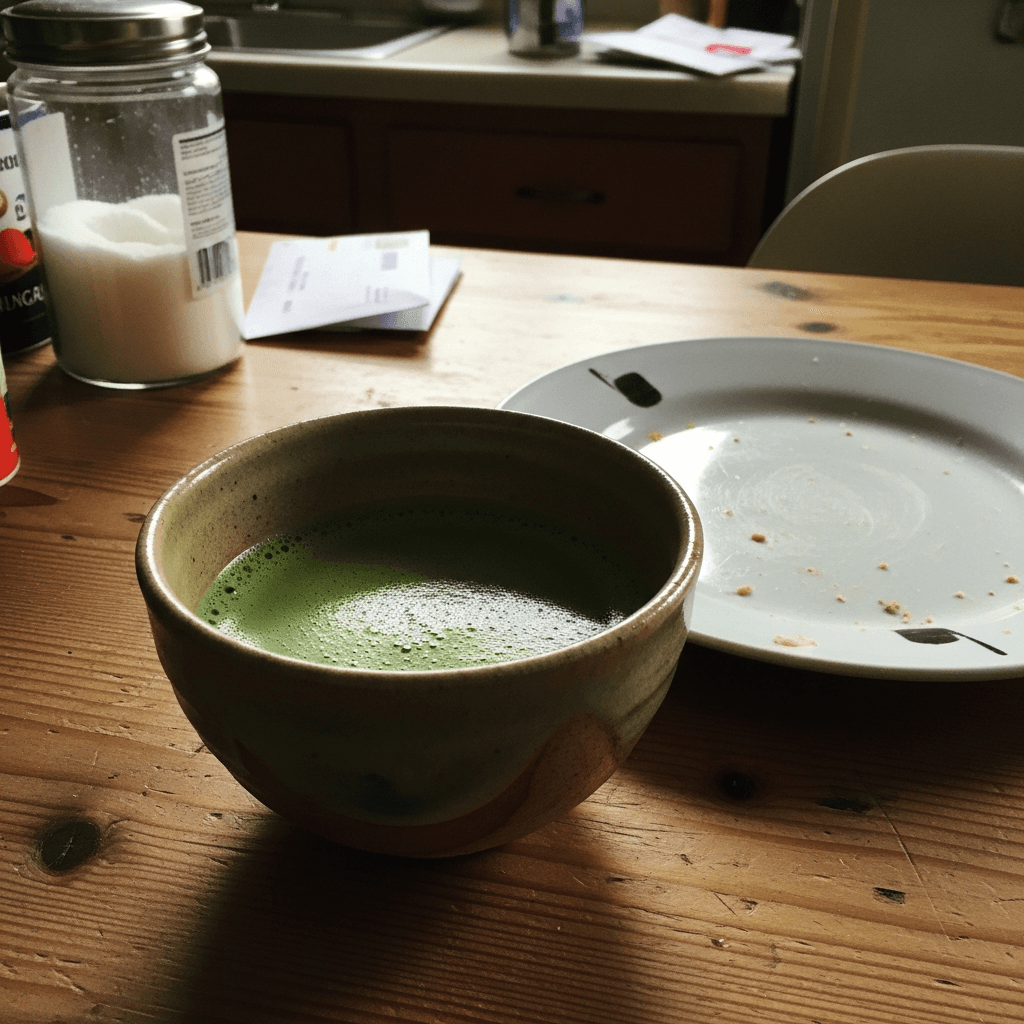
Traditional Matcha Tea Elixir
When I first learned to prepare matcha, my grandmother sat me on a low stool in her countryside kitchen and handed me a small bamboo whisk. The afternoon light through the shoji screens made the powder glow like new leaves. She taught me to treat each scoop as a small offering to the moment. This recipe is that lesson refined into a daily elixir, simple and meditative. Matcha is both tea and ritual. The flavor is a layered balance of vegetal sweetness, a gentle bitterness, and a hidden umami that blooms on the palate. We honor seasonality by choosing fresh, high quality matcha when possible. Ceremonial grade matcha gives a clean, vibrant green and an elegant mouthfeel. When prepared with care this drink calms the mind and sharpens presence. The act of making matcha is an exercise in harmony. We whisk to develop a soft, creamy froth and to release aroma. We warm the bowl to respect temperature. We sift the powder so it disperses smoothly. These small gestures are not busywork. They invite focus and gratitude. Good flavor emerges from patience. Allow this recipe to be your quiet practice. Move deliberately, listen to the slender sound of the bamboo whisk, and notice the bright, grassy scent that rises. The reward is subtle: a clear mind and a warm cup that tastes like attention. Take your time and enjoy the ritual as much as the elixir itself.

Refreshing Yuzu Citrus Fizz
When the first summer heat settles over the rice fields, my family would gather on the veranda and pass around a bright, citrus drink that smelled of sun and sea. I still remember the crispness of yuzu on my tongue and the calm conversation that followed. This Refreshing Yuzu Citrus Fizz is my modern memory of those evenings. I made it one spring for my daughter after she returned from Kyoto with stories of tea houses and lantern-lit alleys. She said it felt like a bowl of sunlight. I made a little change by adding a whisper of kombu to the syrup to gently deepen the flavor. It felt right. Yuzu is a treasure of our islands. Its aroma is both sharp and floral, and it carries a faint umami if paired with sea vegetables. In Washoku we honor shun, the seasonality of ingredients. Yuzu is at its best in late autumn and winter, but preserved yuzu juice and zest allow us to invite that seasonal spirit to any table. This drink balances bright acidity, soft sweetness, delicate savory weight and carbonation. It is more than thirst-quenching. It is a small ceremony. As you make this fizz, be mindful of the rhythm. When you heat the syrup, do so gently. When you stir, do it with attention. We slice citrus with respect and we simmer kombu without haste. These steps bring harmony to the glass. The citrus lifts, the soda refreshes, and the subtle umami from kombu carries the flavors to the heart of the palate. Pour thoughtfully into chilled glasses. Take a moment to breathe in the aroma before the first sip. Share quietly if you wish. This drink is simple, but in its simplicity there is room for gratitude. Good flavor takes time, so move slowly and enjoy each small action.
Sweet Matcha Green Tea Latte
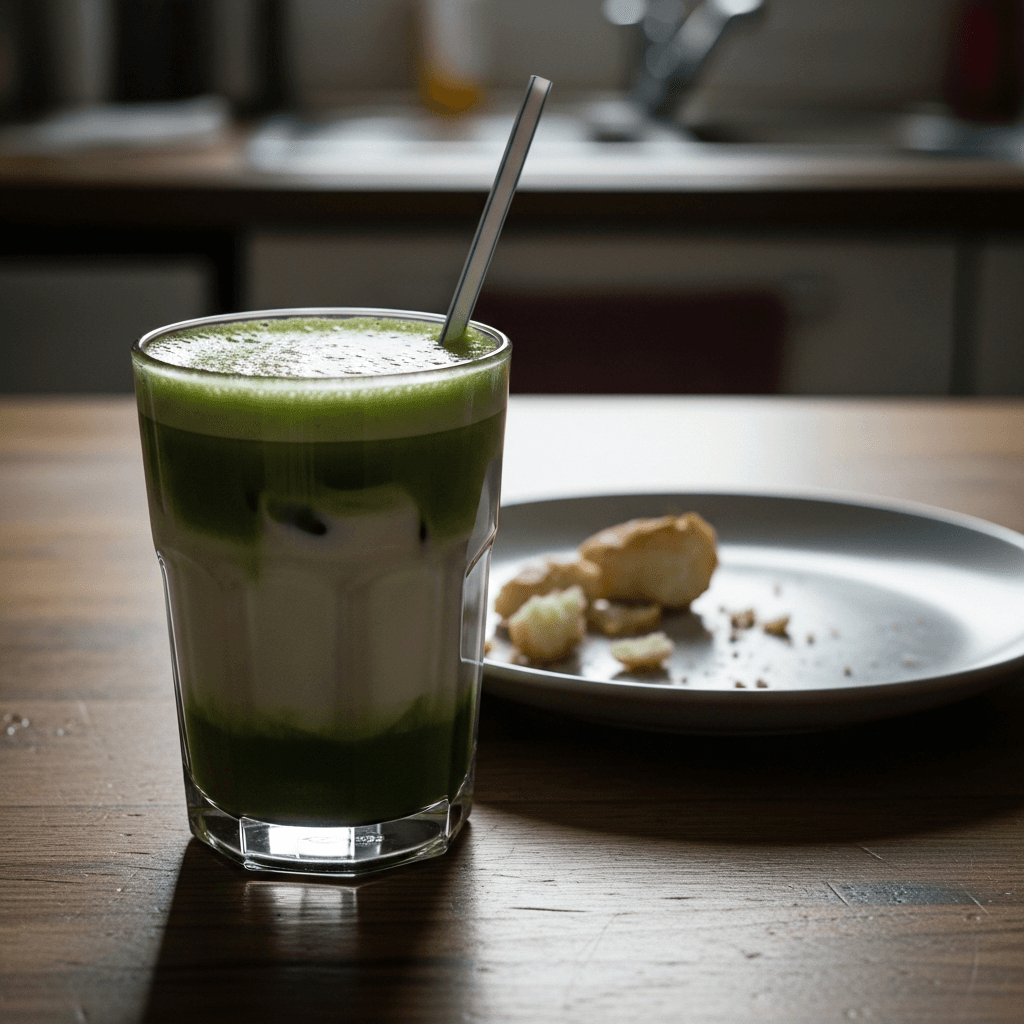
When I first learned to make a sweet matcha latte for my children, it was a quiet Sunday morning after a rain. The kitchen smelled of steamed milk and the fresh, grassy whisper of matcha. I remember sifting the powder slowly, like shaking snow from a pine branch, and watching the foam rise as if it were the calm sea near my hometown. This small ritual brought a gentle joy to our table and to my heart. Matcha carries more than flavor. It holds season and place. A good matcha is bright green with vegetal sweetness and a lingering umami that warms the body. In Kyoto we respect the season and the grade. For a latte I recommend a ceremonial or a high-quality culinary matcha. The milk softens the matcha's edges and the sweetener invites the umami to bloom, creating balance. Making this latte is a practice of attention. We sift to avoid lumps, whisk with patience, and heat the milk until it speaks with a gentle steam. Move slowly and notice the aromas. Good flavor takes time. Do not rush the whisking or the warming. The care you give the drink is the care you offer to those who will taste it. I share this recipe as a peaceful morning companion or an afternoon comfort. Whether you serve it hot on a chilly day or chilled over ice in summer, the spirit remains the same. Prepare it mindfully, present it gently, and sip with gratitude for the tea, the milk, and the hands that made it possible.