Traditional Matcha Tea Ceremony (Usucha)
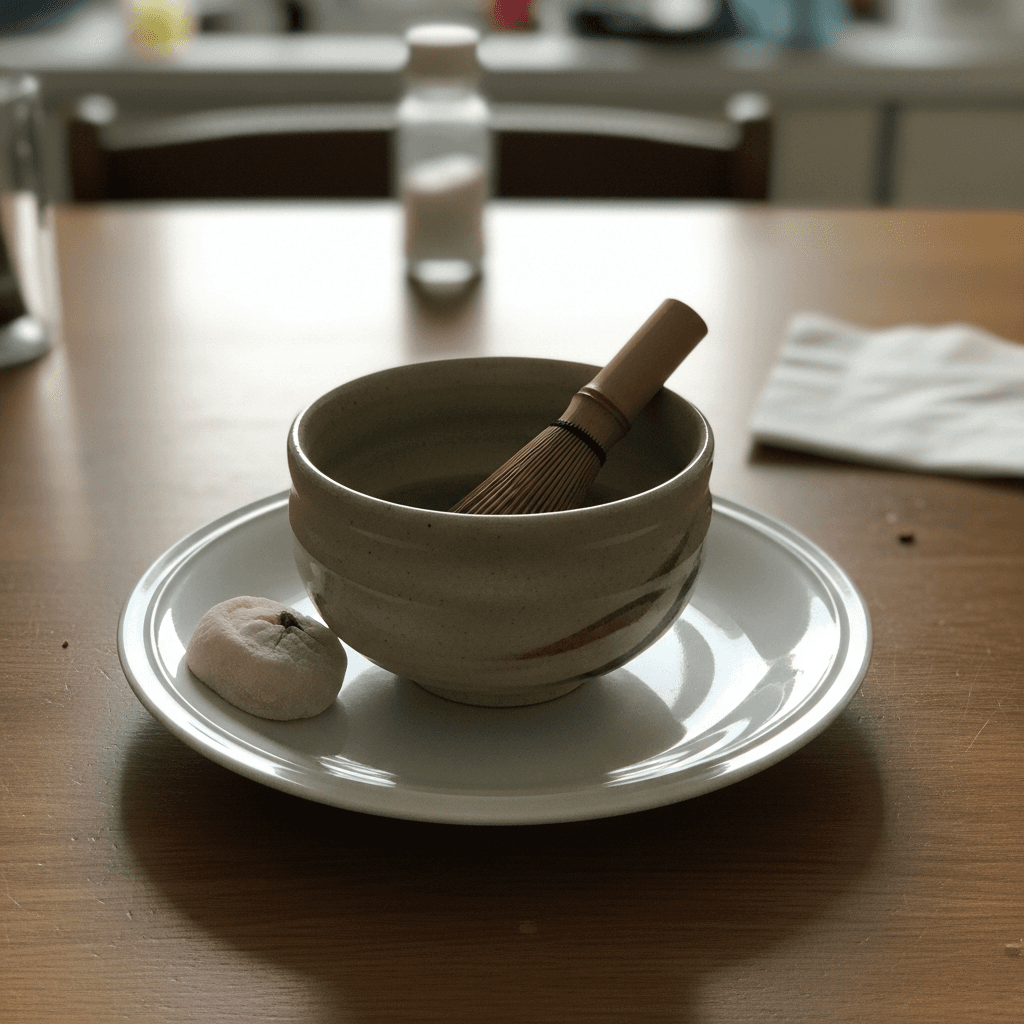
When I was a boy, I would sit quietly on the tatami at my grandmother's countryside home while she prepared matcha for the family. The steam rose slowly from the kettle and the bamboo whisk made a soft, steady whisper as she worked. Those moments taught me that making tea is not only about flavor but about presence. Each movement is a way of giving thanks to the tea, the water, and the hands that bring them together. The matcha ceremony is rooted in harmony, respect, purity, and tranquility. The flavor of ceremonial matcha is a gentle combination of vegetal sweetness, a round umami depth, and a bright, clean finish. We follow the seasons. In spring we might choose a lighter, floral matcha. In colder months a richer, more robust leaf can warm both body and spirit. The ritual gives us permission to slow down and note each detail—the color of the froth, the sound of the whisk, the warmth of the bowl. This recipe describes the simple usucha style of whisked matcha, a form used for everyday hospitality. We focus on technique: sifting to remove clumps, warming the bowl so the tea blooms gently, and whisking with intention to create a smooth, creamy foam. Good water and a fine, ceremonial grade matcha are the heart of the cup. Respect the ingredients and they will reward you. Prepare a quiet place, lay a small sweet beside the bowl, and allow the preparation to be a meditation. Move slowly, breathe, and remember that every step is an offering. The result will be peace in a cup and a deeper appreciation for the simple gifts of nature.
Total time
20 min
Servings
2
Difficulty
medium
Prep
15 min
Cook
5 min
Market list
Ingredients
Method
Instructions
Prepare your space. Clear a small area and place the chawan in front of you. Arrange wagashi on a small plate if you are serving sweets. Make sure the chasen, chashaku, and sieve are close at hand. Breathe and quiet your mind. The ceremony begins with stillness.
Heat the water slowly. Bring water to a gentle simmer and then remove from the heat. We aim for 70 to 80 degrees Celsius for usucha. If you do not have a thermometer, let the water rest for 1 to 2 minutes after it reaches a simmer. Treat the water gently so it treats the tea gently.
Warm and dry the chawan. Pour a small amount of hot water into the bowl, swirl to warm the clay, and then discard the water. Dry the bowl with the chakin cloth. A warm bowl helps the matcha bloom evenly and shows respect for the guest.
Sift the matcha. Measure 6 grams of ceremonial matcha for two servings using the chashaku or a small scale. Place the matcha in the fine sieve over the chawan and gently push it through with the chashaku or a small spoon. Sifting removes clumps and creates a silkier texture.
Add water. Pour 120 milliliters of hot water at 70 to 80 degrees Celsius into the chawan over the sifted matcha. The water should be poured steadily to meet the tea, not to overwhelm it. Listen to the soft sound as water meets powder.
Begin whisking with intention. Hold the chasen lightly between thumb and fingers. Start with slow circular motions to dissolve the powder. Then lift the whisk slightly and whisk rapidly in a zigzag motion, small and quick like writing the katakana "M" sound. Your goal is a smooth, bright green liquid with a layer of fine foam on the surface.
Watch for visual and auditory cues. The color should be vivid, not dull. The sound of the whisk should be even and steady. When a fine, even froth forms and the aroma becomes sweet and vegetal, you have reached the proper texture.
Present the bowl with grace. Turn the chawan so the front faces the guest. Bow slightly as you offer the bowl. This is an act of respect and connection. If you are drinking alone, pause for a moment of gratitude.
Drink slowly and mindfully. Take three small sips, finishing the last to savour the lingering umami. Notice the warmth, the texture, and the balance between sweetness and astringency. Place the bowl back gently and admire the tea and the silence it brings.
Clean and store your tools. Rinse the chasen with warm water and let it air dry upright. Wipe the chashaku and chawan gently and store in a peaceful place. Caring for tools is part of the ceremony and keeps their spirit alive.
Kitchen whispers
- ✦Hiro's Notes on Harmony: Use ceremonial grade matcha for authentic umami and a smooth finish. Cooking grades are not a substitute.
- ✦Hiro's Notes on Harmony: Sift the matcha to avoid lumps. A small clump interrupts the texture and the experience.
- ✦Hiro's Notes on Harmony: Water temperature matters. Too hot and the tea will taste bitter. Too cool and the flavors will not open.
- ✦Hiro's Notes on Harmony: Whisk with relaxed wrists. Tension makes a coarse foam. A relaxed hand yields fine, stable froth.
- ✦Hiro's Notes on Harmony: Offer a small wagashi before the tea. The sweetness balances the tea and celebrates the season.
Nutritional glance (per serving)
10
Calories
1 g
Protein
2 g
Carbs
0 g
Fat
0 g
Fiber
Mono no aware. This proverb reminds us of the gentle sadness at the passing of things and the beauty in that passing. Preparing and drinking matcha asks us to notice impermanence and to honor the present moment. You have taken care in each step. Sip slowly and let the quiet return to you.
Tea letters
Comments (0)
Please to leave a note.
No letters yet—be the first.
Tags