Traditional Matcha Green Tea Elixir
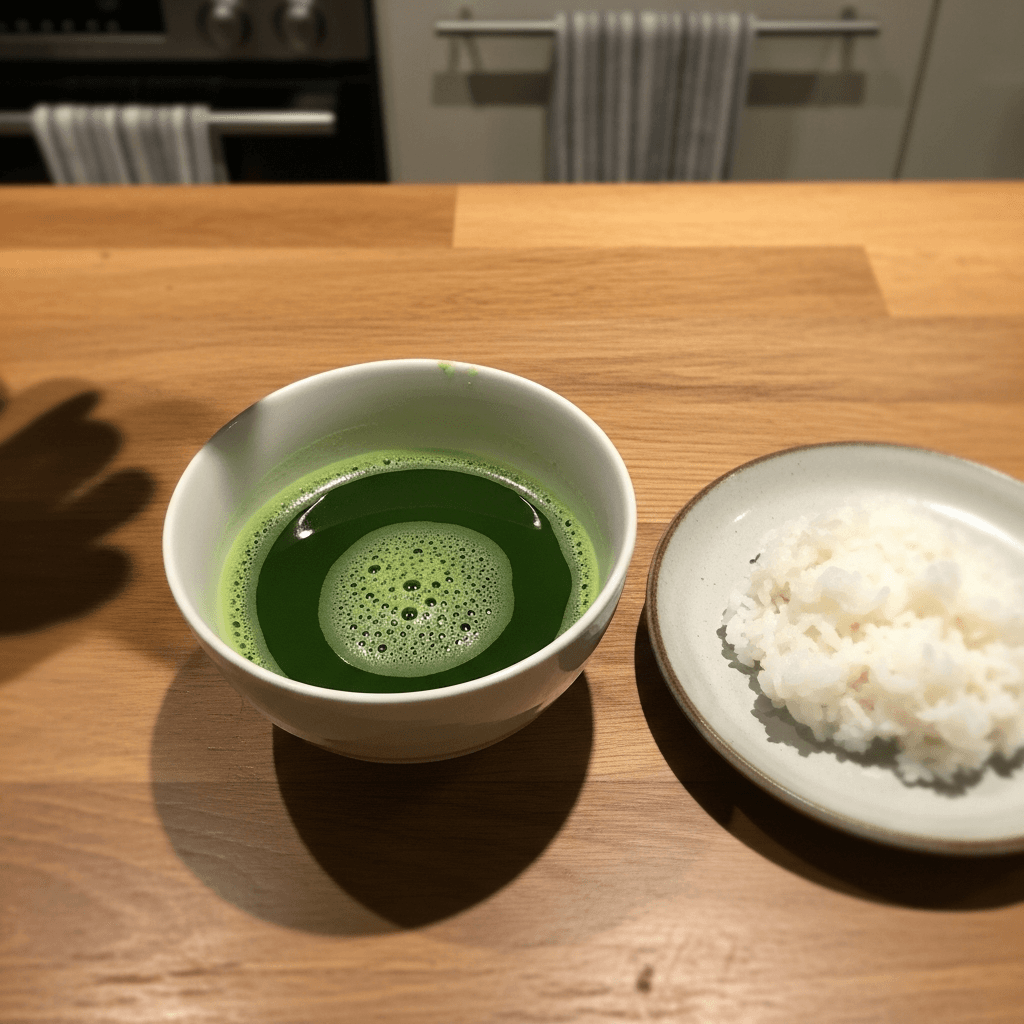
When I was a young man visiting Kyoto in early spring, the air smelled of pine and sweet plum blossoms. An elderly tea master invited me into a quiet tearoom, and we shared a bowl of thick matcha by the soft light of a paper lantern. That first sip taught me how a simple blend of stone-ground leaves and warm water could quiet the mind and call the senses into attention. This Traditional Matcha Green Tea Elixir is a gentle echo of that memory. Matcha holds a special place in Washoku because it embodies season and spirit. The flavor is bright, verdant, and layered with umami and a whisper of astringency. When the tea is prepared with care the powder blooms into a creamy foam and the aroma lifts gently like the first green of spring. We honor the leaf by using quality matcha and treating each step as a small ceremony. This recipe invites you to slow your hands and listen to the tea. We whisk with patience to release sweetness and to smooth the texture. If you choose to add a touch of honey or warm milk, they are companions meant to enhance, not hide, the matcha. Remember that matcha is about balance of flavor and texture, and about gratitude for the season that grew it. Take this as a quiet practice. Prepare a proper bowl, breathe, and allow the ritual to center you. The process is as nourishing as the elixir itself. In taking care, you show respect for the ingredients and for yourself.
Total time
10 min
Servings
2
Difficulty
easy
Prep
5 min
Cook
5 min
Market list
Ingredients
Method
Instructions
Warm your bowl and whisk. Pour a small amount of hot water into the bowl, swirl gently, then discard. Warming the bowl keeps the temperature steady so the matcha opens gracefully.
Sift the matcha into the warmed bowl. Sifting removes any small clumps and invites a smoother texture. Use a small mesh strainer and a gentle tap of the spoon.
Measure water at 80 degrees Celsius. Bring the water to a gentle simmer then remove from heat. We are looking for small rising bubbles and soft steam. Pour 60 milliliters per serving into the bowl.
Whisk in a mindful rhythm. Hold the whisk lightly and begin with short, quick strokes in a zigzag motion to create a frothy crema. Listen for the soft change in pitch as foam forms. Aim for a bright, even foam with tiny bubbles.
Taste and sweeten if desired. If you prefer a touch of sweetness, stir in one teaspoon of honey per serving. Honey should be added sparingly so it enhances the umami rather than masking it.
For a silkier elixir, warm 30 milliliters of milk per serving and gently whisk it into the matcha. The milk should be warm, not boiling. The result should be velvety and balanced, with the matcha still clearly present.
Serve with calm. Garnish with a whisper of yuzu zest if you like. Hold the bowl or cup with both hands for a moment, breathe, and appreciate the color and aroma before taking the first sip.
Kitchen whispers
- ✦Hiro's Notes on Harmony: Use ceremonial-grade matcha for the purest flavor. Culinary grade will work, but the taste will be flatter.
- ✦Technique and Tradition: Water temperature matters. Too hot will make the tea bitter. Aim for 75 to 80 degrees Celsius for a bright, sweet cup.
- ✦Hiro's Notes on Harmony: Sift your matcha. A smooth texture is part of the pleasure of matcha. It only takes a few taps and the difference is clear.
- ✦Technique and Tradition: Whisk with intention. Short, fast strokes create a fine foam. Do not press the whisk into the bottom of the bowl.
- ✦Hiro's Notes on Harmony: Keep additions gentle. A small amount of honey or milk complements the leaf. Let the matcha remain the star.
Nutritional glance (per serving)
27
Calories
0.5 g
Protein
6.0 g
Carbs
0.1 g
Fat
0.3 g
Fiber
Ichigo ichie (One time, one meeting). This proverb reminds us that each encounter is unique and will not repeat in exactly the same way. The care you placed into preparing this matcha transforms a simple drink into a shared moment of attention and gratitude. Savor it slowly and remember the calm you cultivated.
Tea letters
Comments (0)
Please to leave a note.
No letters yet—be the first.
Tags