Nourishing Tamago Kake Gohan
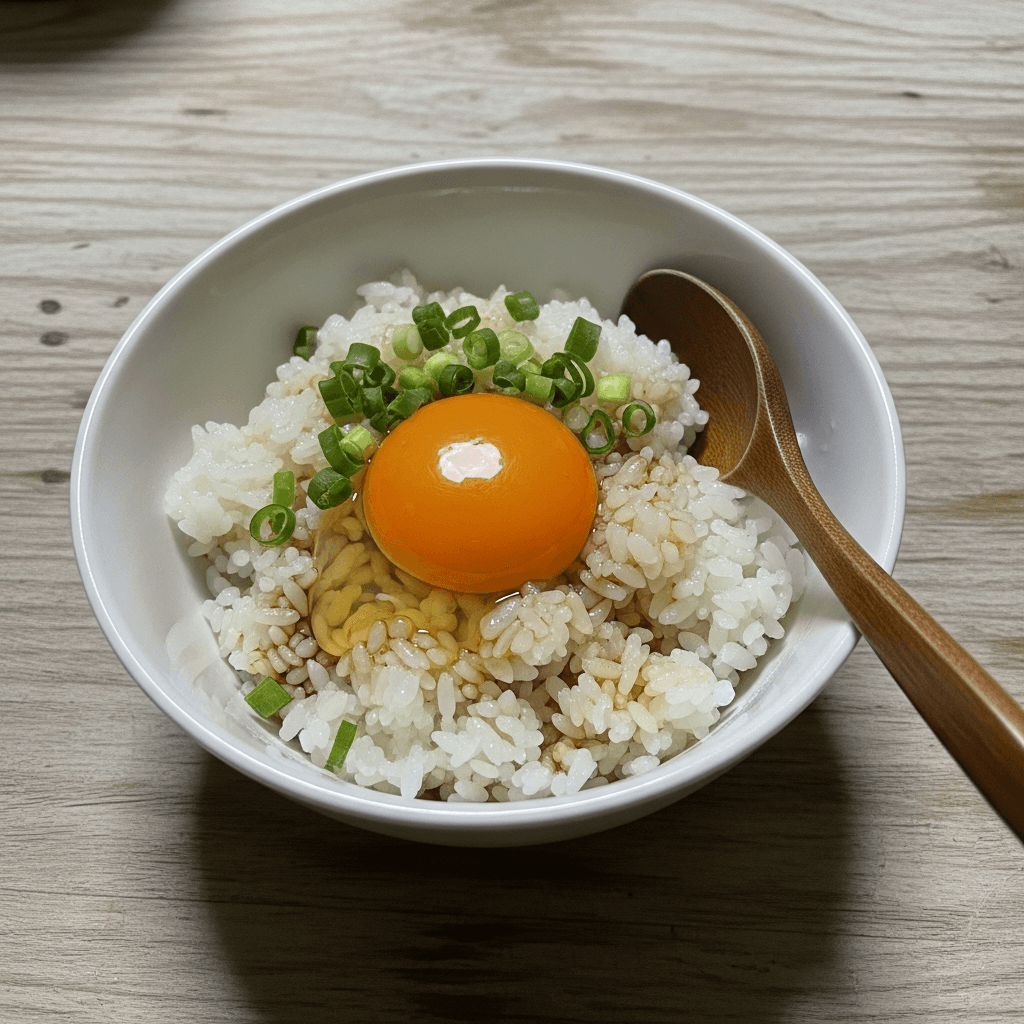
When I was a boy visiting my grandmother in the countryside, she would wake before dawn to tend the garden and the hearth. On the coldest mornings she served a simple bowl of Tamago Kake Gohan, an offering of warm, freshly steamed rice crowned with a bright raw egg and a gentle splash of soy. We ate quietly, letting the steam and aroma gather like a small prayer. That memory shaped my understanding of breakfast as nourishment for both body and mind. Tamago Kake Gohan is a humble dish that sings with umami. The egg brings silk and richness, soy adds depth and salt, and a touch of dashi or toasted sesame oil lifts the flavor into balance. In Washoku we celebrate shun, the seasonality of ingredients, so choose eggs from hens that have been fed well and rice harvested recently. When each element is cared for, even a simple dish becomes a celebration. This version is nourishing and mindful. I encourage you to use very fresh or pasteurized eggs for safety and to make a small dashi or use a light kombu broth if you have it. Taking a moment to prepare the components slowly will reward you with a creamy, comforting bowl that steadies the morning. Before you begin, breathe slowly. Good flavor takes time. Treat each action as a small act of gratitude for the food and the hands that brought it to your table.
Total time
25 min
Servings
2
Difficulty
easy
Prep
5 min
Cook
20 min
Market list
Ingredients
Method
Instructions
Warm your cooked rice gently. Place the rice in a warmed bowl and cover for a minute so steam settles evenly. We want rice that is hot enough to coax the egg into a silky texture but not so hot it cooks it immediately.
Prepare your seasoning. In a small cup combine the dashi and soy sauce. Add the toasted sesame oil. Taste the mixture with a fingertip for balance. It should be savory and fragrant, not overpowering.
Crack an egg into a small bowl. Look at its color and clarity. With a chopstick or small whisk, beat the egg gently until the yolk and white are harmonious and the surface catches the light.
Make a shallow well in the center of the rice. Pour the beaten egg into the well. Hear the soft hiss of steam meet the egg and notice how the egg begins to warm at the edges.
Pour the seasoning mix evenly over the egg and rice. Do this slowly so the flavors layer, like a quiet conversation.
Mix with intention. Use chopsticks or a spoon to stir briskly, bringing rice into the egg and folding until the mixture becomes glossy and creamy. Listen for the gentle change in texture and watch the pale gold become uniform.
Finish with garnishes. Sprinkle toasted sesame seeds, scallion, and nori strips. Add a small pinch of white pepper or sansho to brighten the scent.
Pause before tasting. Close your eyes and breathe in the aroma. Then take a mindful first bite. Notice temperature, silkiness, and the harmony of umami, salt, and fragrance.
If you prefer a slightly cooked egg, ladle a spoonful of very hot dashi over the bowl just before serving. The hot broth will gently set the egg and deepen the savory scent.
Kitchen whispers
- ✦Hiro's Notes on Harmony 1: Rinse your short-grain rice until the water runs clear before cooking. Clean rice yields a cleaner sweetness and a more cohesive texture.
- ✦Hiro's Notes on Harmony 2: Choose very fresh or pasteurized eggs for safety. The silkiness depends on egg quality. Room temperature eggs blend more smoothly with warm rice.
- ✦Hiro's Notes on Harmony 3: Balance is small and precise. A little dashi lifts umami without masking the egg. Start with less soy and add if needed.
- ✦Hiro's Notes on Harmony 4: We eat with our eyes first. Serve in a warmed, simple bowl and place garnishes with calm intent so the colors and textures feel balanced.
Nutritional glance (per serving)
410
Calories
14 g
Protein
50 g
Carbs
12 g
Fat
1 g
Fiber
Ichi-go ichi-e (One time, one meeting). This proverb teaches us to honor each moment as unique. The care you placed into this simple bowl of Tamago Kake Gohan is a gentle practice of presence. Eat slowly, remember the hands that helped grow each ingredient, and carry the calm of this morning with you.
Tea letters
Comments (0)
Please to leave a note.
No letters yet—be the first.
Tags