Traditional Tamagoyaki with Daikon Radish
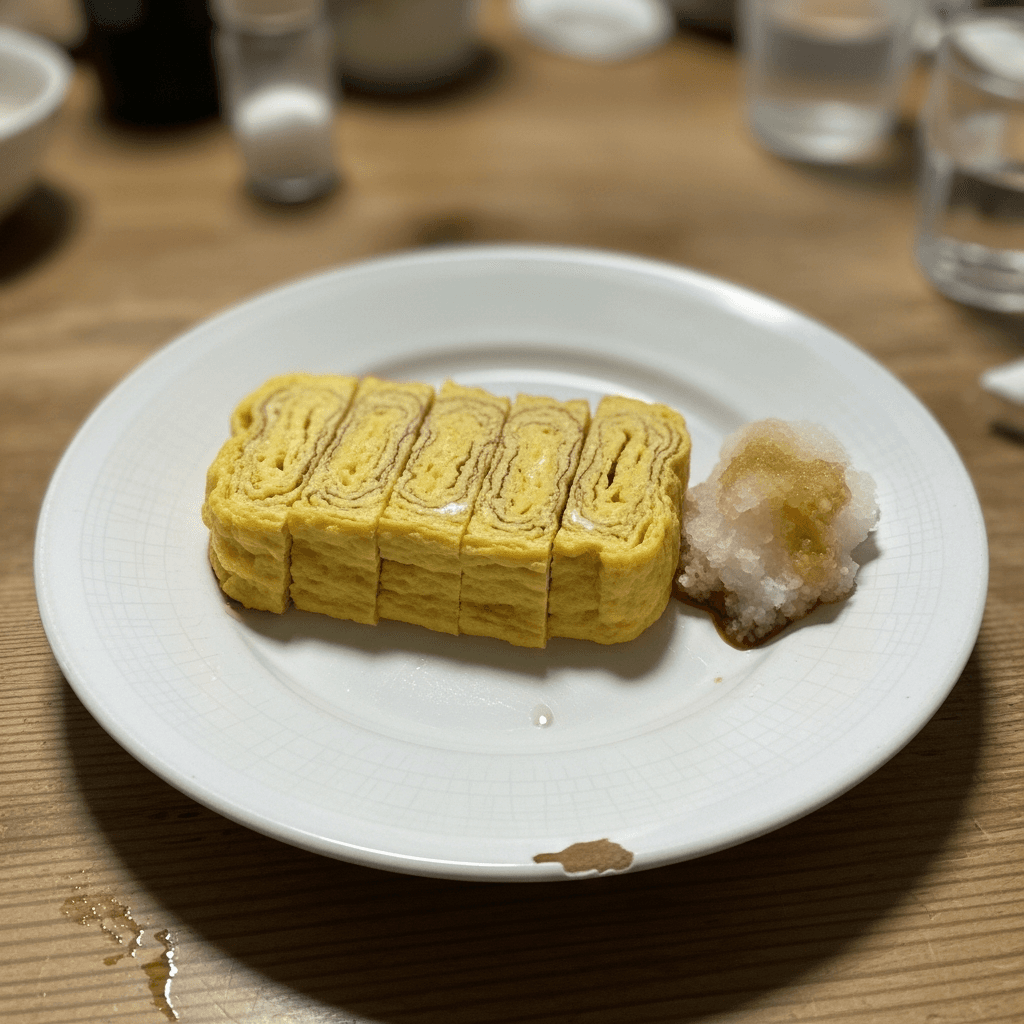
When I was a young man visiting my grandmother in the countryside, she would rise before dawn and light the wood fire for breakfast. She made tamagoyaki by hand in a small rectangular pan, rolling each thin layer with the calm rhythm of someone who has known the seasons well. The warm, folded egg, slightly sweet and softly savory, was always placed beside a mound of freshly grated daikon radish. The steam and the scent of dashi carried through the kitchen like a morning prayer. This tamagoyaki is a memory of that quiet kitchen. The sweetness of mirin and sugar balances the umami of dashi and soy. The grated daikon offers a cool, crisp counterpoint. In washoku we seek harmony of taste, texture, and season, and this dish is a simple example. Eggs are soft and tender, the daikon is fresh and bright, and together they greet the day with gentle balance. Take time with the preparation. We slice the daikon and grate it with care. We whisk the eggs with patience so the mixture is silky, not foamy. We cook each layer slowly, listening to the soft sizzle as the egg meets the pan. Good flavor takes time, and the practice of making tamagoyaki can become a morning meditation. I invite you to move slowly and respectfully through each step. Notice the change in aroma as the egg sets, watch how the layers cling to each other, and feel the quiet satisfaction of a simple, well-made breakfast. This is a dish to share, to nourish both body and spirit.
Total time
25 min
Servings
2
Difficulty
medium
Prep
15 min
Cook
10 min
Market list
Ingredients
Method
Instructions
Prepare the daikon first. Peel the daikon and grate it finely. Place the grated daikon in a small sieve or on a clean cloth and let it drain for a minute. We want the daikon moist but not watery. Transfer to a small bowl and add the teaspoon of soy sauce. Taste and adjust if the daikon needs a whisper more soy.
Make the seasoning. In a mixing bowl combine the dashi, mirin, soy sauce, sugar, and a small pinch of salt. Stir until the sugar dissolves. Smell the mixture. The aroma should be rounded and gentle, with a clear savory note from the dashi.
Crack the eggs into a separate bowl. Lightly beat them with chopsticks or a fork until the whites and yolks are harmonious and the mixture is smooth. Do not overbeat. We seek silk, not foam. Add the seasoning mixture and gently fold together. Rest for 2 minutes to let the flavors marry.
Heat a rectangular tamagoyaki pan or a small nonstick skillet over medium-low heat. Brush the surface with a little oil using a paper towel folded over tongs. The pan should be warm but not smoking. If the oil shimmers, lower the heat. We want a gentle sizzle.
Pour a thin layer of egg mixture to cover the bottom, about enough to make an even sheet. Listen for a soft hiss. When the surface begins to set but is still glossy, use a spatula or chopsticks to lift one edge and roll the egg toward you into a loose cylinder. The egg should still be slightly tender when rolled.
Oil the pan again lightly. Push the rolled egg to the far side of the pan. Pour another thin layer so it spreads under the rolled portion. When this layer is nearly set but still glossy, roll the first cylinder back toward you so the new layer wraps around it. Repeat this process, oiling between layers, until the mixture is used and the roll is built up in soft, even layers.
Adjust heat as needed. If the egg browns too quickly, lower the flame. We prefer a pale gold color. The internal temperature should be warm and cooked through but not dry. Press the roll gently with the spatula to shape its edges for a neat rectangle. You may shape the roll with a bamboo mat wrapped in plastic if you wish for a tidier finish.
Transfer the roll to a cutting board and let it rest for one minute. Resting allows the layers to settle. Slice the tamagoyaki into 1.5 to 2 centimeter pieces, cutting against the gentle grain of the roll. The interior should be soft and slightly custardy.
Plate mindfully. Arrange the slices on a small plate with a neat mound of the seasoned grated daikon at one side. Sprinkle the scallion garnish lightly. If you like, serve with a small bowl of steamed rice and miso soup for a balanced breakfast.
As you eat, notice the contrast: the tender, sweet egg and the crisp, cool daikon. The balance of texture and umami is the quiet joy of this meal. Pause between bites and offer gratitude for the ingredients.
Kitchen whispers
- ✦Hiro's Notes on Harmony: Use fresh eggs at room temperature. They whisk more evenly and yield a silkier tamagoyaki.
- ✦Hiro's Notes on Harmony: Keep the heat moderate. Patience in temperature control prevents browning and preserves a tender texture.
- ✦Hiro's Notes on Harmony: If you do not have a rectangular pan, a small round nonstick skillet will do. Adjust the amount of egg in each pour to keep layers thin and manageable.
- ✦Hiro's Notes on Harmony: To make the daikon less pungent, let it rest briefly in a sieve or cloth to remove excess liquid. A moist but not soggy daikon complements the egg best.
Nutritional glance (per serving)
320
Calories
18 g
Protein
10 g
Carbs
22 g
Fat
1 g
Fiber
Nanakorobi yaoki (Fall seven times, stand up eight). This proverb teaches us resilience and patience. In the quiet practice of making tamagoyaki you have repeated small efforts with care. Each gentle roll and mindful moment adds up. Rest now and enjoy the peaceful reward of a simple, well-made breakfast.
Tea letters
Comments (0)
Please to leave a note.
No letters yet—be the first.
Tags