Traditional Nanban-style Egg Bowl (Breakfast Donburi)
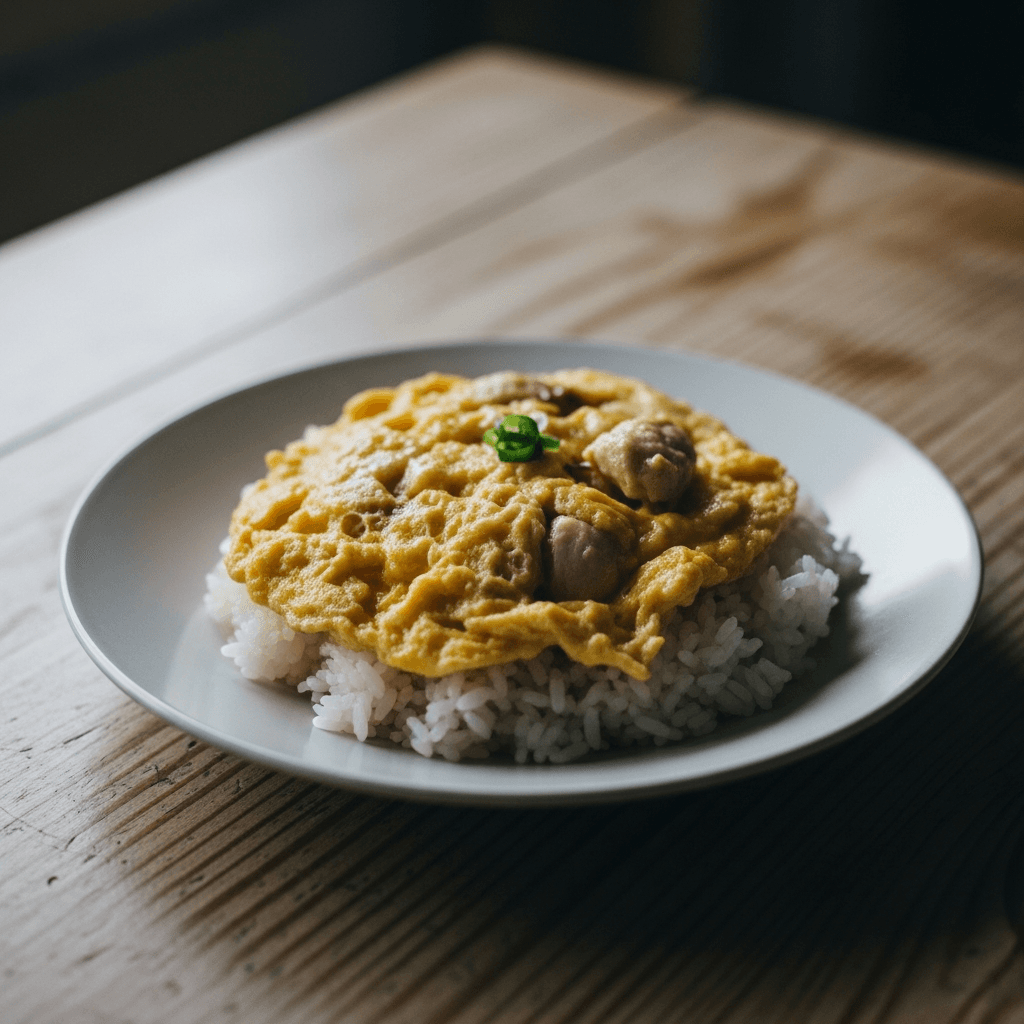
When I was a boy my aunt served a simple egg bowl one misty morning after we returned from the market. The aroma of warm dashi and the gentle wobble of softly cooked eggs felt like a small ceremony. This Nanban-style egg bowl became my quiet breakfast of comfort, something to steady the day and remind me of family around the low table. Nanban in this context means a gentle layering of flavors that balances sweet, salty and umami rather than the fried chicken you may know by the same name. The heart of the dish is dashi, soy, and mirin, which coax the eggs into a silky texture that rests on steaming rice. The katsuobushi and scallion bring a fresh brightness and depth. We aim for harmony in taste and texture. Washoku teaches us to honor seasonality and simplicity. In spring I choose young scallions and tender greens, in winter a more robust dashi. The umami from kombu and bonito is the invisible bridge between rice and egg. Take your time with each step. Good flavor often rewards patience. As you prepare this bowl, breathe slowly and move with intention. We slice the scallion thin to respect its delicate bite. We heat the dashi gently so the eggs coagulate softly. The act of cooking becomes a way to give thanks for the grain, the eggs, and the sea. Serve with quiet pride and enjoy the moment of peace at your table.
Total time
22 min
Servings
2
Difficulty
easy
Prep
10 min
Cook
12 min
Market list
Ingredients
Method
Instructions
Prepare your mise en place. Measure the dashi, soy, mirin and sugar. Thinly slice the green onions on the bias into fine rounds. Keep the bonito flakes close at hand. Having everything ready brings calm to the cooking.
If you make dashi from scratch, gently warm 400 ml water with a 6 cm kombu piece until small bubbles appear at the edge. Remove the kombu and add 10 g bonito flakes. Turn off the heat, let steep 2 minutes, then strain. You need 300 ml strained dashi for the seasoning. Good dashi is quiet and deep in aroma.
Combine 300 ml dashi, 2 tablespoons soy sauce, 1 tablespoon mirin and 1 teaspoon sugar in a small saucepan. Warm slowly over medium-low heat so the sugar dissolves and the flavors marry. We are not boiling vigorously. Taste and adjust salt gently.
Lightly beat the 4 eggs in a bowl until the whites and yolks are just combined. Do not overbeat. The goal is a uniform color, not foam. For a silkier texture you may mix 1 tablespoon water into the eggs.
Bring the seasoned dashi to a gentle simmer. You should see small, slow bubbles at the surface and a warm savory steam rising. If you wish, stir in 1 teaspoon sesame oil now for an extra layer of aroma.
Lower the heat to maintain a gentle simmer and slowly pour half of the beaten eggs into the pan in a steady thin stream, moving the pan gently to spread. Listen for a soft change in the sound of the simmer as the egg hits the surface. The egg will begin to set around the edges while remaining custardy in the center.
When the first pour is partially set but still softly jiggly, pour the remaining eggs. Cover the pan with a lid for 20 to 30 seconds to finish the eggs by residual heat. We seek a texture between runny and fully set.
Divide warm rice into two bowls. Gently slide the softly cooked egg and its flavorful broth over the rice, using a spatula or spoon. The egg should rest like a warm blanket over the rice, the broth soaking in slowly.
Scatter bonito flakes and sliced green onion over each bowl. Add a small portion of pickled ginger to cleanse the palate. If you like a little heat, finish with a pinch of shichimi togarashi.
Pause for a moment before eating. Notice the steam, the scent of the sea and field. Eat with gratitude and small, mindful mouthfuls.
Kitchen whispers
- ✦Hiro's Notes on Harmony: To achieve a cleaner taste, use fresh dashi and avoid boiling the stock after adding bonito flakes. Gentle heat preserves umami.
- ✦Hiro's Notes on Harmony: We slice scallions thinly across the stalk to soften their bite and show delicate green color. Take care with presentation; balance pleases the eye.
- ✦Hiro's Notes on Harmony: For silkier eggs, do not overbeat and avoid vigorous stirring while cooking. Covering briefly lets residual heat finish the eggs without drying them.
- ✦Hiro's Notes on Harmony: If short on time, use high-quality instant dashi powder combined with kombu water for speedy, respectful stock.
- ✦Hiro's Notes on Harmony: Rice should be freshly steamed and warm. If the rice is cold, the egg will set too quickly and lose its soft texture.
Nutritional glance (per serving)
370
Calories
16 g
Protein
47 g
Carbs
12 g
Fat
1 g
Fiber
Ishi no ue ni mo sannen (石の上にも三年). This proverb teaches that perseverance and patience yield reward. In cooking, we practice patience in small places: waiting for dashi to steep, coaxing eggs to silk, arranging the bowl with care. You have tended this breakfast with attention and now share in the quiet reward of a nourishing meal.
Tea letters
Comments (0)
Please to leave a note.
No letters yet—be the first.
Tags