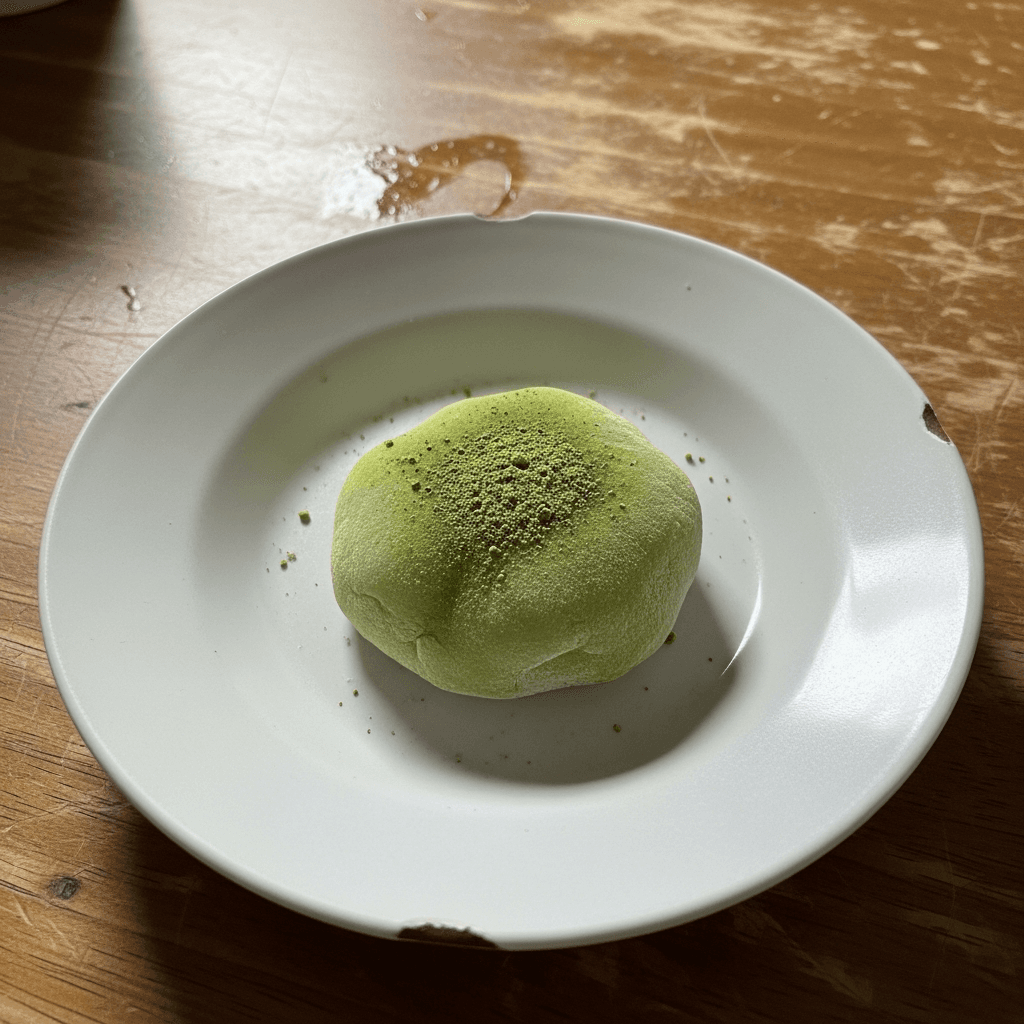
Matcha Mochi Delight
When I first made Matcha Mochi Delight, it was a quiet afternoon in Kyoto, the rain gentle and steady beyond the paper shoji. I remember my grandmother teaching me how to knead mochi with a calm patience that felt like a small ritual. She smiled as the pale green dough took on a glossy, elastic life. This recipe is a modern memory of those slow moments, adapted for the home kitchen so you may find the same calm joy. Matcha gives the mochi a fragrant bitterness that balances the sweet anko within. In Washoku we honor balance of taste and season. The slight umami of high quality matcha, the gentle sweetness of red bean, and the silky chew of mochi are in harmony. Use matcha that smells fresh and bright, and sweet bean paste that is smooth and not overly sweet so the flavors can sing together. Take your time with the dough. We are not racing heat, we are inviting texture. Bring water to a gentle heat, stir until the mixture turns translucent and glossy. Listen for the subtle change in sound as the pot quiets and the mochi thickens. These are small signals that guide your hands and heart. When you shape the mochi, work with clean palms dusted lightly with starch. The shaping is a mindful gesture. Each ball is a small offering to yourself or your guests. Enjoy the process, breathe as you fold the dough around the anko, and remember that good food rewards patience.
Total time
50 min
Servings
8
Difficulty
medium
Prep
30 min
Cook
20 min
Market list
Ingredients
Method
Instructions
Prepare your workspace. Lightly oil a bowl with the neutral oil. Spread potato starch on a clean tray for dusting. Keep a small bowl of water nearby to moisten your fingers if they become sticky.
Sift the matcha into the mochiko. We mix dry powders first so the color and flavor distribute evenly. This prevents streaks and helps the dough become uniformly green.
Combine mochiko, matcha, sugar, and salt in a heavy saucepan. Add the water gradually while whisking gently to make a smooth batter. We seek a glossy, pourable batter without lumps.
Bring the saucepan to a gentle heat over medium low. Stir constantly with a wooden spatula. We are looking for the batter to thicken and become translucent. Listen for the sound to change as the mixture moves more slowly and becomes elastic.
When the mixture pulls away from the sides and forms a cohesive, glossy mass, lower the heat to the gentlest simmer and continue stirring for 2 to 3 minutes to ensure even cooking. The dough should feel sticky and slightly elastic to the touch.
Transfer the hot mochi to the oiled bowl. Dust your hands and the work surface heavily with potato starch. Allow the dough to cool just enough to handle, warm but not scalding. We respect the heat as we shape the mochi.
Divide the mochi into 8 equal portions. Flatten each portion in your palm and place 30 g of anko in the center. Fold the dough around the filling, pinching gently to seal. The starch prevents sticking and gives a clean finish.
Roll each ball gently between your palms to round. If the surface is too sticky, dust lightly with potato starch. Avoid overworking the dough to preserve tenderness.
Lightly dust the finished mochi with sifted matcha or kinako and sprinkle toasted sesame seeds if you like. Arrange the mochi with space between each piece so their shapes are appreciated. We eat with our eyes first.
Serve at room temperature. The texture is best the same day. If storing for a few hours, keep in an airtight container dusted with starch to prevent sticking. Rehydrate gently with a damp cloth if they dry out slightly.
Kitchen whispers
- ✦Hiro's Notes on Harmony: Use ceremonial grade matcha for aroma and astringency. Culinary matcha is fine but the fragrance will be gentler.
- ✦Hiro's Notes on Harmony: Stir constantly when cooking the mochi dough. The rhythm of stirring creates a smooth, glossy texture. Slow and steady heat keeps the dough tender.
- ✦Hiro's Notes on Harmony: Dust generously with potato starch and tap off excess. The starch keeps the mochi from becoming clumpy and gives a refined presentation.
- ✦Hiro's Notes on Harmony: If the mochi is too sticky to shape, chill briefly for 5 minutes then work with well dusted hands. Avoid overkneading so the chew remains soft.
- ✦Hiro's Notes on Harmony: Presentation matters. Place mochi on a small plate with a leaf or a piece of washi for seasonal harmony. Simplicity shows respect to the ingredients.
Nutritional glance (per serving)
220
Calories
3 g
Protein
48 g
Carbs
1 g
Fat
1 g
Fiber
Keizoku wa chikara nari (Continuance is strength). This proverb reminds us that gentle, repeated effort yields strength and refinement. You practiced patience in the quiet rhythm of stirring and shaping. The care you placed into these small sweets is reflected in their harmony of taste and texture. Enjoy each bite slowly and with gratitude.
Tea letters
Comments (0)
Please to leave a note.
No letters yet—be the first.
Tags