Delightful Matcha Green Tea Mochi
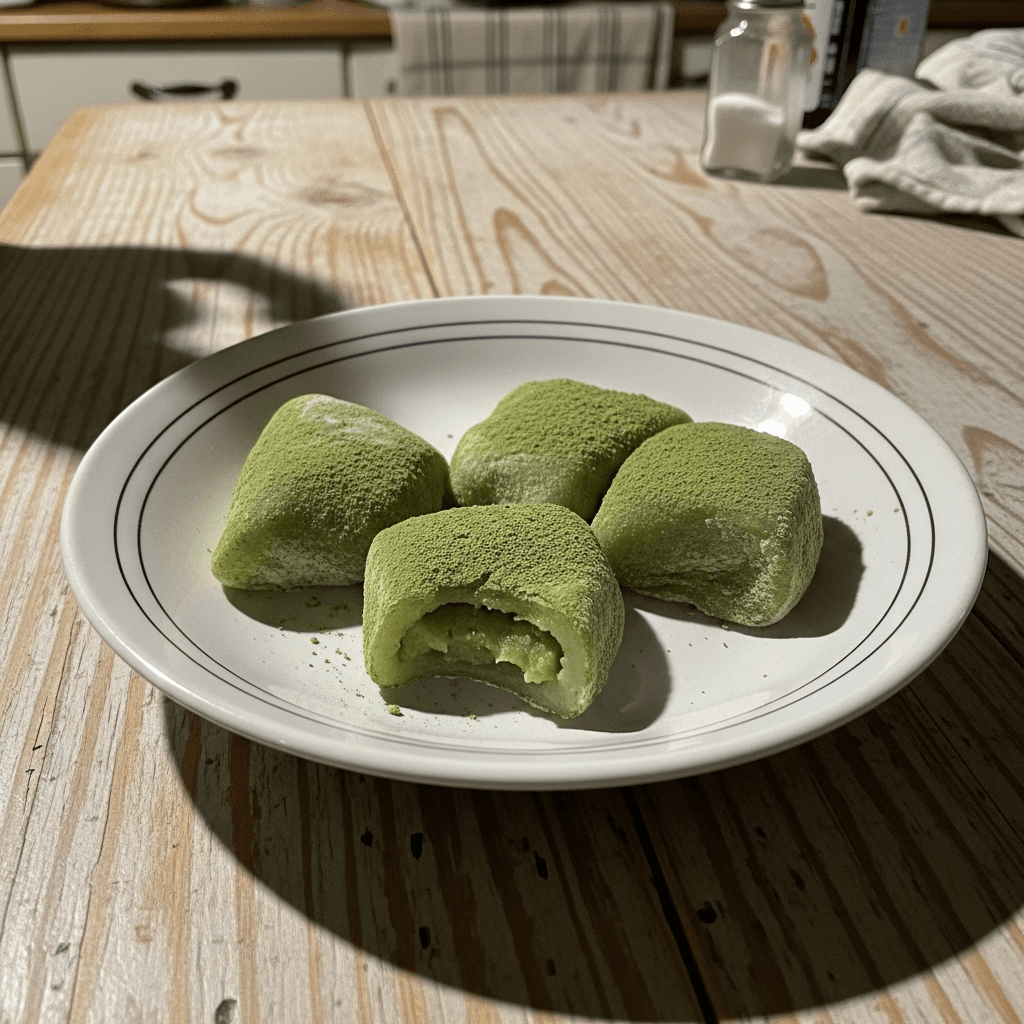
When I was a young man visiting my grandmother in the countryside, she would press warm mochi into my small hands and smile as the matcha aroma rose like a quiet morning. This blend of tender chew and subtle green tea bitterness became for me a lesson in balance. I call this recipe Delightful Matcha Green Tea Mochi because it is both humble and celebratory, perfect for sharing at a tea moment or a small family gathering. Matcha brings a vegetal umami and a gentle astringency that pairs beautifully with sweet anko, the red bean paste. In Washoku we pay attention to shun, the seasonality of ingredients. In spring or early summer, a brighter, fresher matcha sings; in cooler months a slightly deeper roast matcha is comforting. The texture of the mochi should be soft and slightly elastic, a tactile reminder of patience and care. This preparation uses shiratamochiko to achieve a tender chew and a steamed cooking method that invites stillness. As you make it, listen to the steam, feel the dough become glossy and springy, and taste for balance between sweetness and matcha bitterness. Cooking can be a form of meditation when we allow each step its due time. Invite your family or friends, prepare a small pot of green tea, and place these mochi on a simple plate. We eat with our eyes first, so place them with calm intention. Enjoy the process as much as the result. Good flavor takes time, do not rush the dashi of life that is patience in the kitchen.
Total time
50 min
Servings
8
Difficulty
medium
Prep
30 min
Cook
20 min
Market list
Ingredients
Method
Instructions
Prepare your workspace. Lightly oil a heatproof bowl with the neutral oil so the mochi will not stick. Place a tray dusted with potato starch nearby for shaping. Mindfulness begins with order.
Sift the shiratamochiko and matcha powder together into the oiled bowl. This removes lumps and ensures even color and taste. Breathe in the green aroma and remember the matcha is the soul of this dessert.
Add the sugar and the pinch of salt to the dry mix, then pour in the warm water gradually while stirring with a wooden spoon. We seek a smooth batter without lumps. The texture should be homogeneous and slightly thick.
Cover the bowl with a lid or plate and set it into a steamer. Bring the steamer water to a gentle simmer. Steam the batter for 12 to 15 minutes. Listen for a soft, steady hiss rather than a violent boil. Treat the water gently so it treats the mochi gently.
When the surface becomes glossy and slightly translucent, remove the bowl carefully using oven mitts. The aroma of matcha will rise like a warm memory. The dough should feel firm to the touch but springy.
Wet a wooden paddle or sturdy spoon and begin to fold and knead the hot dough in the bowl. This motion evens out moisture and develops the characteristic chew. Be patient and keep the movements calm and deliberate.
Transfer the dough to your starch-dusted tray. Dust your hands with starch and flatten the dough gently into a disk about 2 cm thick. The surface should be smooth, neither sticky nor dry, yielding softly when pressed.
Divide the anko into eight portions, each about 30 g, and roll into smooth balls. Dust lightly to prevent sticking. Taste one small piece of anko to ensure sweetness balance with the matcha.
Cut the mochi dough into eight equal pieces using a starch-dusted knife. Work with a light touch. Take one piece, pat it flat in your palm, place an anko ball in the center and fold the edges over, sealing the filling within. Roll gently to round the mochi.
As you shape each mochi, keep them on the starch-dusted tray. If the dough begins to cool and stiffen, cover with a clean damp cloth and warm briefly over the steamer to restore pliability. The right temperature makes shaping easier.
Once all mochi are formed, dust them lightly with kinako or powdered sugar for contrast and a gentle aroma. The kinako gives a nutty note that complements matcha and anko.
Serve the mochi at room temperature with a small cup of green tea. Notice the texture between teeth, the balance of sweetness and astringency, and the quiet pleasure of having moved slowly and with intention through the process.
Kitchen whispers
- ✦Hiro's Notes on Harmony: Use high quality matcha for the best flavor. Culinary grade works well in sweets but ceremonial grade gives a brighter, more delicate aroma.
- ✦Hiro's Notes on Harmony: If your dough is too sticky, dust more potato starch sparingly. If it is too dry and cracks, gently reheat over the steamer and knead with a few drops of warm water.
- ✦Hiro's Notes on Harmony: For a smoother texture, serve mochi the same day. Leftovers can be kept airtight and briefly reheated by steam to restore tenderness.
- ✦Hiro's Notes on Harmony: We eat with our eyes first. Arrange mochi with even spacing and a small garnish of kinako or a sprinkle of matcha for visual and flavor balance.
Nutritional glance (per serving)
230
Calories
4 g
Protein
50 g
Carbs
2 g
Fat
3 g
Fiber
Ichi-go ichi-e (One time, one meeting). This proverb teaches us to cherish each encounter and each moment. The time you spent gently steaming, shaping, and sharing these mochi is unique. Accept this meal as a single precious experience and savor it with gratitude.
Tea letters
Comments (0)
Please to leave a note.
No letters yet—be the first.
Tags