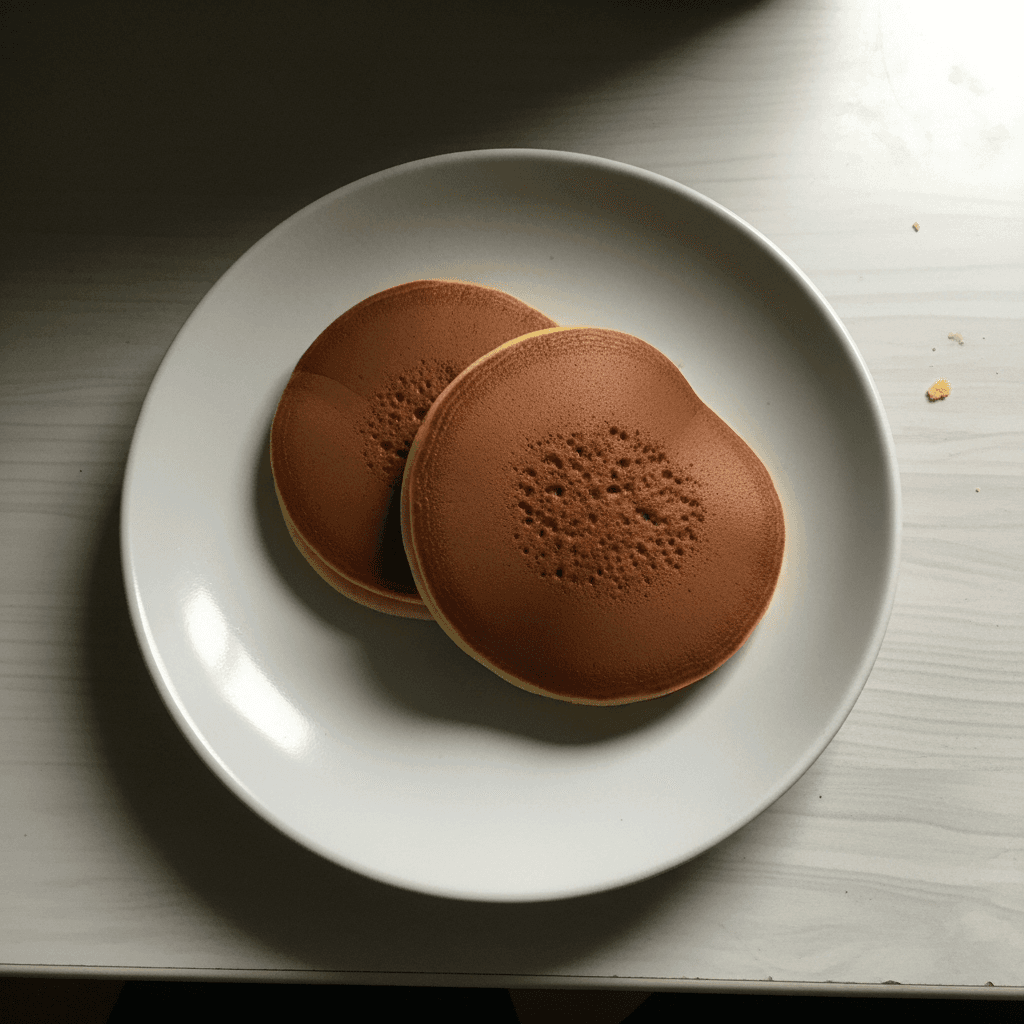
Classic Dorayaki Pancakes with Sweet Red Bean
When I was a child I remember running through a summer market in my hometown, the scent of grilled sweets drifting from a stall where an old woman sat frying small golden discs. She would smile and fill each pair with warm anko, then hand them to us wrapped in paper. Dorayaki became for me a memory of simple joy and seasonal festivals, the kind of comfort you keep in your pocket and take out on rainy afternoons. This recipe is my quiet homage to that memory. Dorayaki are two soft pancakes joined with sweet red bean paste. The flavor is gentle but layered. The batter is slightly caramelized from sugar and honey, and the anko brings a deep bean sweetness with a touch of salt to lift the taste. There is also a subtle umami note when a splash of soy is used, reminding us that umami lives in sweet places as well. Washoku teaches us to honor the ingredients and the season. When azuki beans are at their best, the anko feels light and fragrant. If you must use store bought anko, choose one with whole beans for texture, or a smoother koshian for a refined mouthfeel. Take pleasure in the rhythm of making them: soaking, simmering, sweetening. Good flavor takes time. Do not rush the simmering of azuki. Let patience sweeten the beans. I invite you to slow your breath and your hands as you cook. Notice the batter as it rests, how the bubbles form, how the pan sings when the pancake is ready to turn. Cooking is a meditation and a way of saying thank you to nature. These dorayaki are a small banquet of that gratitude. Share them with someone, or savor one alone with tea and a quiet mind.
Total time
50 min
Servings
4
Difficulty
medium
Prep
30 min
Cook
20 min
Market list
Ingredients
Method
Instructions
Prepare the anko first. Rinse the dried azuki beans under cold water until the water runs clearer. This is a respectful washing. Place beans in a pot and cover with the 800 ml water.
Bring to a gentle simmer over medium heat. We are looking for small bubbles, not a violent boil. Simmer for 5 minutes, then drain the beans and discard this first cooking water. This step helps remove bitterness and keeps the color bright.
Return the beans to the pot and add fresh water to cover by about one centimeter. Bring back to a gentle simmer, then lower the heat and cook slowly for 45 to 60 minutes until the beans are tender when pressed between two fingers. Stir occasionally and listen for the quiet ticking of the simmer.
When the beans are soft, add the 160 g sugar and the pinch of salt. Cook over low heat, stirring gently. The mixture will thicken and the sugar will shine. Taste and adjust sweetness gently. For a smoother anko, mash slightly with the back of a spoon. Set aside to cool. If you prefer, you may use 300 g of store bought anko and skip these steps.
Make the batter while the beans cool. In a bowl, whisk the two eggs and sugar until the mixture is pale and slightly thickened. Add honey and the teaspoon of soy and mix until harmonious.
Sift the flour and baking powder together. Fold the dry ingredients into the egg mixture in two additions, alternating with the milk, until you have a smooth batter. The batter should be pourable but not thin. Let the batter rest for 10 to 20 minutes. Resting allows the gluten to relax and the texture to become tender.
Heat a nonstick pan over low to medium-low heat. Brush lightly with a small amount of butter or oil. We want gentle heat so the pancakes brown evenly without burning.
Spoon 2 tablespoons of batter into the pan for each pancake, forming rounds about 7 to 8 centimeters across. The batter will spread slightly. Look for small bubbles to form on the surface and the edges to set. The aroma will become sweet and slightly caramelized. This is the cue to flip.
Flip the pancakes and cook for another 20 to 30 seconds. Listen for the sound of the searing to change to a softer hiss. The pancakes should be golden brown, not dark. Remove to a wire rack to cool slightly.
Assemble the dorayaki by spreading about 2 to 3 tablespoons of anko on one pancake and gently pressing another pancake on top, forming a sandwich. The filling should reach the edges but not spill out. If using very sweet commercial anko, reduce the amount slightly to maintain balance.
For best texture, wrap each dorayaki in paper or plastic and let rest for 30 minutes. This allows moisture to equalize and the pancakes to soften into one harmonious bite. Serve with a cup of green tea and quiet attention.
Kitchen whispers
- ✦Hiro's Notes on Harmony: Rest the batter. Even a short rest makes the pancakes tender and allows the baking powder to settle.
- ✦Hiro's Technique and Tradition: If you prefer a smoother anko, mash the beans and pass through a sieve for koshian. For more texture, keep whole beans for tsubuan. Both honor the bean in different ways.
- ✦Hiro's Presentation Tip: We eat with our eyes first. Place the dorayaki slightly off center on a small plate, dust lightly with matcha, and serve with a warmed cup of tea to balance sweetness.
Nutritional glance (per serving)
360
Calories
8 g
Protein
62 g
Carbs
7 g
Fat
4 g
Fiber
Keizoku wa chikara nari (Continuance is power). This proverb reminds us that steady effort brings strength and mastery. You have taken time to cook these dorayaki with patience and care. The small acts of simmering beans, resting batter, and gentle cooking all add up. Enjoy the result, and know that each thoughtful practice grows your skill and your joy.
Tea letters
Comments (0)
Please to leave a note.
No letters yet—be the first.
Tags