Delicate Matcha Mochi with Sweet Red Bean Filling
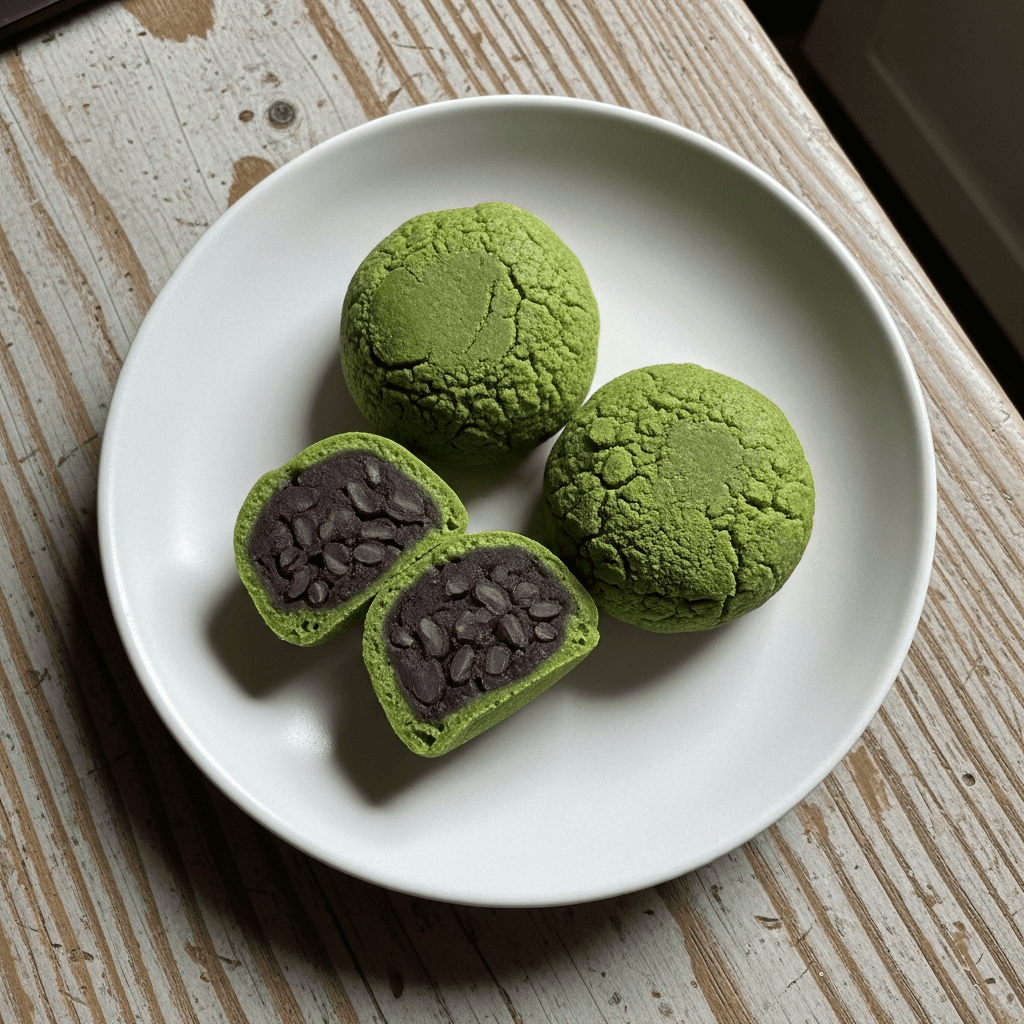
When I first made these matcha mochi it was early spring in Kyoto. The cherry trees were not yet in full bloom, but there was a gentle brightness in the air. I remember my grandmother in her countryside kitchen, the low wooden table dusted with rice flour, her hands moving slowly and kindly as she folded sweet red bean into warm mochi. This recipe is a quiet memory of that afternoon, adapted with a little modern ease so you can make it at home. Matcha brings a green, vegetal brightness that balances the gentle sweetness of anko, the sweet red bean paste. In Washoku we think of balance: color, texture, and taste. The matcha offers subtle bitterness and umami while the anko brings sweetness and a soft, creamy texture. Together they create a harmony that asks you to slow down and appreciate each mouthful. Please take the time. Cooking mochi is a meditation. We listen for the steam to sing softly. We watch the dough become translucent and elastic. These small acts show gratitude to the ingredients and to the seasons. Good matcha is seasonal in its own way - choose fresh, vibrant powder for the cleanest aroma. This recipe is gentle enough for a calm afternoon, yet precise enough to teach you the rhythm of making mochi. As you shape each ball, remember we eat with our eyes and our hands. Arrange them simply, leave space on the plate, and let the colors speak. The process is as important as the pleasure of eating.
Total time
55 min
Servings
8
Difficulty
medium
Prep
30 min
Cook
25 min
Market list
Ingredients
Method
Instructions
Prepare the filling first. Divide the anko into 8 equal portions. Gently roll each portion into a smooth ball about 30 g each. Place them on a tray and chill in the refrigerator while you make the mochi. Cold filling is easier to wrap and keeps the shape.
Combine the dry ingredients. In a mixing bowl whisk together the mochiko, sugar, matcha powder, and the pinch of salt. Smell the matcha now. It should be bright and slightly vegetal. Whisking the powders first helps the color distribute evenly.
Add the warm water slowly while whisking to form a smooth batter. Aim for a batter free of lumps, the texture like heavy cream. The temperature of the water should be warm but not scalding. Warm water helps hydrate the flour evenly without shocking the matcha.
Prepare your steamer. Line a shallow, heatproof dish with parchment or a thin clean cloth and lightly oil so the mochi does not stick. Cover the dish with a lid or foil. Bring the steamer water to a gentle rolling steam; listen for a steady hiss, not a violent boil.
Steam the mochi batter for 15 to 18 minutes. Place the dish in the steamer, cover, and steam. Watch the surface change from milky to translucent and shiny. The aroma of matcha will deepen. This translucence and elasticity tell you the mochi has cooked through.
Carefully remove the dish from the steamer. Using heatproof gloves or a towel, uncover and allow the mochi to sit for 2 minutes until it is safer to handle but still hot and pliable. Be mindful; the steam will be very hot and fragrant.
Dust a clean work surface generously with potato starch. Transfer the hot mochi onto the dusting. Sprinkle more starch on top. The mochi will be sticky. Use a bench scraper or wet spatula to divide the dough into 8 equal pieces. Work with wet or starch-dusted hands to prevent sticking.
Gently flatten a piece into a round disk about 8 cm across. Place a chilled anko ball in the center. Fold the edges over the filling with patient, small motions, sealing the edges beneath so the seam sits on the bottom. The mochi should feel soft and slightly springy.
Dust off any excess starch with a soft brush or your fingertips. Place each finished mochi seam-side down on a tray lined with parchment. The finished surface should be smooth with a gentle sheen from the matcha.
Allow the mochi to rest for at least 20 minutes before serving so the texture settles. Mochi is best eaten the same day. If you must store, place them in an airtight container at room temperature for a few hours only. Refrigeration can harden the texture.
To serve, arrange the mochi with space between pieces. If using kinako, lightly dust one side just before serving. Sprinkle sesame seeds if you like. Take a moment to appreciate the color and shape before you taste.
Kitchen whispers
- ✦Hiro's Notes on Harmony: Matcha quality matters. A fresher, brighter matcha will give your mochi a clean vegetal aroma and vibrant color. Choose culinary grade for everyday sweets and ceremonial grade for an elevated experience.
- ✦Hiro's Notes on Harmony: Use chilled anko for the filling. Cold filling is easier to wrap and prevents the mochi from becoming too soft while shaping.
- ✦Hiro's Notes on Harmony: Dust generously with potato starch to handle the dough. Excess starch can be brushed off later. This keeps the surface elegant while preventing stickiness.
- ✦Hiro's Notes on Harmony: Steam gently and watch the texture. Translucent, glossy dough means the mochi is done. Do not rush by shortening steam time or the center may remain pasty.
- ✦Hiro's Notes on Harmony: Presentation is part of enjoyment. Place mochi with breathing room on a simple plate or on sakura leaves when in season. Small contrasts make the dessert feel complete.
Nutritional glance (per serving)
160
Calories
3 g
Protein
32 g
Carbs
1.5 g
Fat
2 g
Fiber
Ishi no ue ni mo sannen (石の上にも三年). This proverb reminds us that perseverance and patience yield fruits. You have taken care in each step - mixing, steaming, shaping - and that steady attention becomes the harmony you taste. Enjoy the mochi slowly and with gratitude.
Tea letters
Comments (0)
Please to leave a note.
No letters yet—be the first.
Tags