Sweet and Savory Tsukudani of Hijiki
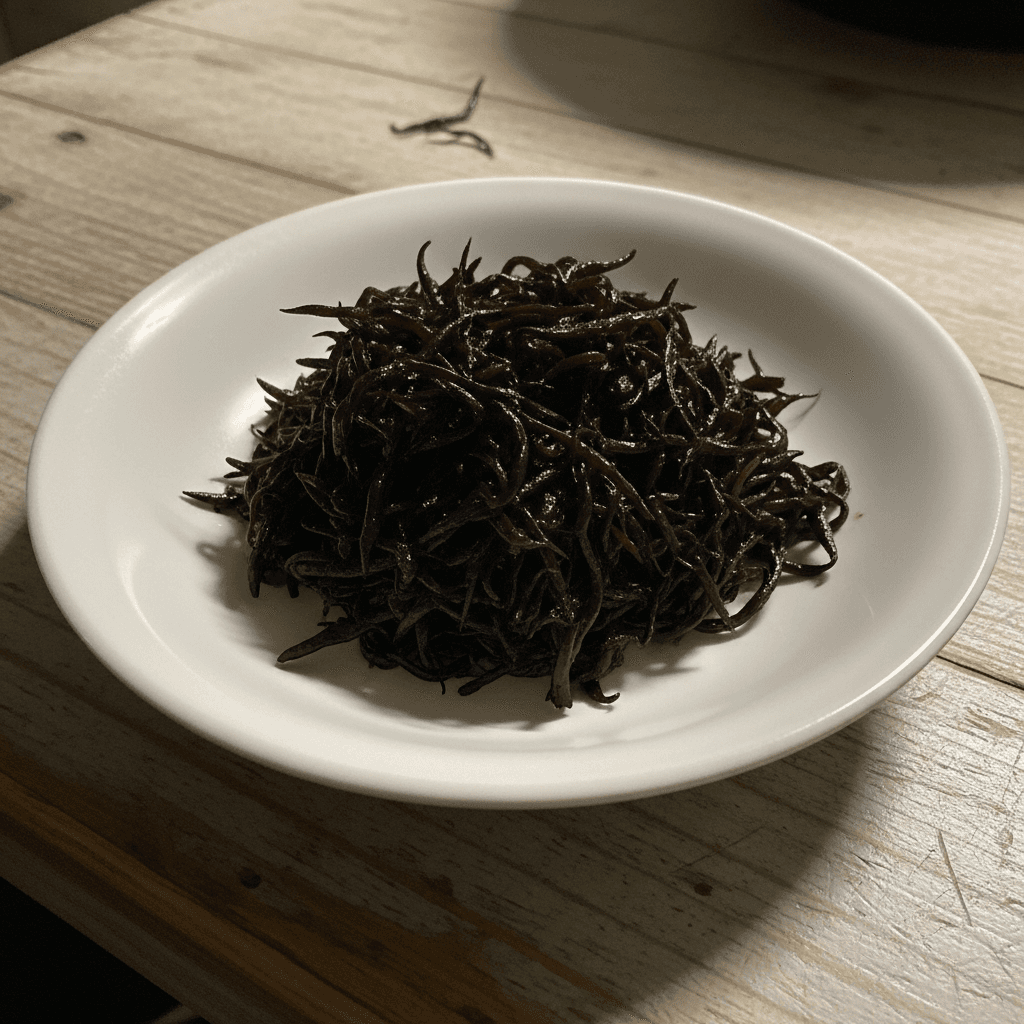
When I was a boy, my grandmother would set out a small lacquer dish of hijiki tsukudani beside steamed rice and pickles. The little dish seemed modest, yet it held so much comfort. Sometimes we took it on picnics to the river near our countryside home. The sweetness and the sea scent always felt like a quiet festival for the palate. This sweet and savory tsukudani of hijiki celebrates umami and seasonality. Hijiki, gathered from the sea, is humble and rich in texture. We pair it with mirin, soy, and a touch of sugar to balance the ocean's depth with gentle sweetness. The result is concentrated flavor, perfect as a snack on a rice ball, a filling for onigiri, or a small accompaniment to tea. Washoku teaches us harmony with nature. We respect the ingredient by using clean water, gentle cooking, and restrained seasoning so the hijiki's character comes forward. Take a moment to appreciate the aroma as the liquid reduces, and notice how the texture becomes tender yet slightly resilient. This practice encourages patience and gratitude. Please move slowly, like preparing a small ritual. Good flavor takes time, do not rush the simmer. This recipe is small in scale and generous in spirit. Serve it in little dishes so each bite can be savored, and let it remind you of quiet gatherings and the richness of simple things.
Total time
50 min
Servings
4
Difficulty
medium
Prep
20 min
Cook
30 min
Market list
Ingredients
Method
Instructions
Rinse the dried hijiki briefly under cold running water to remove dust. Place in a bowl and cover with 200 ml warm water. Let the hijiki rehydrate for 20 minutes until it has expanded and is tender. Notice how the strands unfurl, like quiet waves returning to the shore.
While the hijiki softens, prepare the other ingredients. Peel and julienne the carrot into thin matchsticks. Slice the aburaage thinly. If using kombu, wipe it gently with a damp cloth and cut into a short strip. Mindful preparation keeps flavors clean and balanced.
Drain the hijiki in a sieve and press gently to remove excess water. We do not squeeze too hard. The strands should be moist but not dripping. This restraint preserves texture and concentration of flavor.
Heat a small saucepan over low heat and warm the sesame oil. Add the carrot and aburaage. Sauté gently for 1 to 2 minutes until the carrot softens slightly and the aroma becomes sweet and bright. Listen for a gentle sizzle not a harsh crackle.
Add the rehydrated hijiki and the kombu strip to the pan. Stir to combine so every strand is coated. We move with calm intention to treat each element with respect.
Pour in the soy sauce, mirin, sake, and sugar. Bring the mixture to a gentle simmer over medium-low heat. Keep the heat steady. We are looking for a slow, confident bubbling, not a furious boil.
Once simmering, reduce the heat to low. Let the liquid reduce slowly. Stir occasionally. As the sauce concentrates you will smell deeper umami and sweet notes. This is the transformation we seek.
Simmer gently until the liquid is almost evaporated and the hijiki is glossy and sticky, about 12 to 15 minutes. Watch the texture. The strands should be tender, the carrot soft, and the aburaage saturated but still holding shape.
Remove the kombu strip. Taste a small amount and add a pinch of salt if needed. Adjust gently. We balance flavors rather than overpower them.
Turn off the heat and let the tsukudani rest for 5 minutes so flavors meld. Sprinkle toasted sesame seeds and arrange shiso or scallion if using. The aroma will deepen as it cools.
Transfer to a small dish or jar. Serve warm or at room temperature as a snack with steamed rice, inside onigiri, or alongside tea. Small portions encourage mindful tasting.
Kitchen whispers
- ✦Hiro's Notes on Harmony 1: Rehydrate the hijiki gently in warm water. If you soak in very hot water, the texture becomes too soft. Warm water allows a tender resilient mouthfeel.
- ✦Hiro's Notes on Harmony 2: Use good quality soy sauce and mirin. The simplicity of tsukudani means each seasoning matters. A lighter, naturally brewed soy will keep the flavor balanced.
- ✦Hiro's Notes on Harmony 3: When simmering, keep the heat low. A slow reduction concentrates umami without burning sugars. If the pan begins to smoke, lower the heat and stir.
- ✦Hiro's Notes on Harmony 4: We eat with our eyes first. Serve this in small lacquer or ceramic dishes. A little garnish of sesame seeds or shiso provides contrast and invites calm enjoyment.
Nutritional glance (per serving)
85
Calories
3 g
Protein
12 g
Carbs
3 g
Fat
4 g
Fiber
Isogaba maware (If you are in a hurry, go the long way round). This proverb reminds us that rushing often leads to mistakes. In making tsukudani we slow down, let flavors develop, and practice patience. By taking the long, careful path you allow simple ingredients to reveal their deepest harmony and enjoy the quiet reward of a well-made snack.
Tea letters
Comments (0)
Please to leave a note.
No letters yet—be the first.
Tags