Umami-Infused Beef Gyudon Bowl
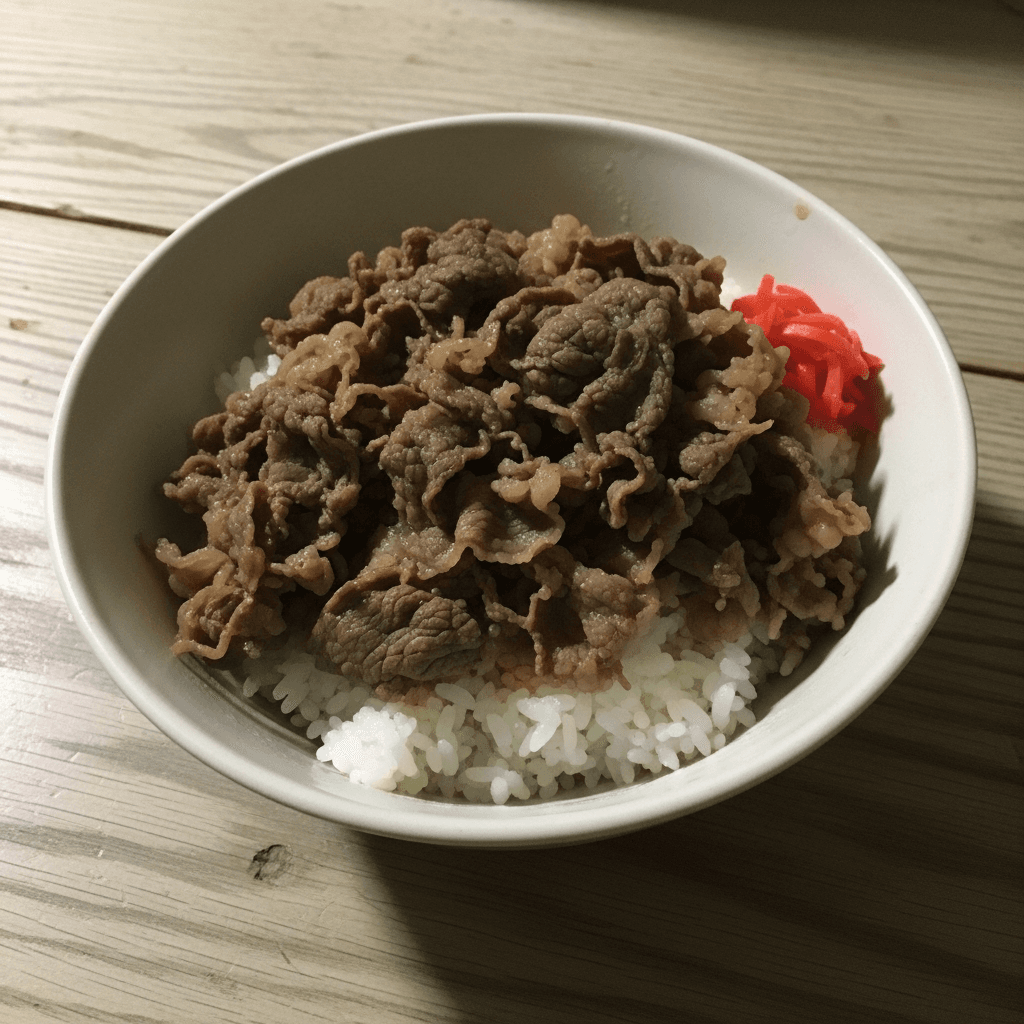
When I was a young man visiting the markets in Kyoto, I would see lunchtime crowds gather around small counters, steam rising gently from bowls of gyudon. This Umami-Infused Beef Gyudon Bowl grew from those memories and from evenings at my own table when my family needed something both quick and soulful. I remember my father tearing a strip of pickled ginger and smiling as the savory broth met the sweetness of the onions. That simple harmony stayed with me. This bowl is a meditation on umami. We coax savory depth from a hand-made dashi and build layers with sake, mirin, and soy sauce. The thinly sliced beef, when simmered briefly in this broth, blossoms with flavor. We honor seasonality by using fresh onions in spring and early summer, and by adjusting sweetness when root vegetables are in season. The goal is balance: savory, sweet, and the faint kiss of rice vinegar in the garnish. Cooking this gyudon asks you to slow your hands and listen. Bring the dashi to a gentle simmer and watch for the change in aroma as kombu and katsuobushi speak to each other. Slice the beef against the grain so each bite is tender. Good flavor takes time, but not long time. Patience is in the small acts: a gentle simmer, a measured stir, a mindful tasting. When you serve, arrange the bowl with quiet care. We eat first with our eyes. A neat mound of rice, the glossy, sauced beef, a bright streak of beni shoga, a sprinkle of scallions. Sit down, take a breath, and give thanks for this simple lunch. The bowl is both comfort and ceremony.
Total time
40 min
Servings
2
Difficulty
medium
Prep
20 min
Cook
20 min
Market list
Ingredients
Method
Instructions
Rinse the rice until the water runs clear. We are washing away excess starch so the cooked rice will separate gently. Drain and combine with 360 ml water in your rice cooker or pot. Let the rice rest for 20 minutes before cooking, then cook according to your usual method. Keep warm.
Prepare the dashi. Place 600 ml water and the kombu in a saucepan and let sit for 15 minutes to awaken the sea flavor. Gently heat until small bubbles form around the kombu. Remove the kombu just before the water reaches a full boil. Add the katsuobushi, bring to a brief gentle boil for 30 seconds, then turn off the heat and let the flakes sink for 5 minutes. Strain through a fine sieve. Smell the broth. It should be light, savory, and clean.
Combine the soy sauce, mirin, sake, and sugar in a small bowl. Stir until the sugar dissolves. This seasoning is the heart of the bowl. Taste a spoonful and notice the balance of sweet and savory. Adjust the balance gently with a little more soy or mirin if needed.
Heat a medium skillet over medium heat and add the sesame oil. When the oil warms and the surface gives a faint shimmer, add the sliced onion. Sauté slowly for 4 to 6 minutes until the onion becomes translucent and sweet. Listen for the soft change in the sound as the onion changes texture.
Pour 300 ml of the warm dashi into the pan with the onions. Add the seasoning mixture and bring to a gentle simmer. We are not rushing. Let the flavors marry for 2 to 3 minutes so the onion soaks up the broth.
Add the thinly sliced beef in a single layer as much as will sit flat. Stir gently and separate slices so each piece contacts the broth. Listen for the sound of the searing to change pitch as the beef contacts the hot liquid. Simmer just until the beef loses its raw color, about 30 to 60 seconds for very thin slices. Overcooking steals tenderness.
If the beef is not all added at once, repeat with remaining slices, adding them to the simmering liquid in batches. Taste the broth and adjust salt with a small pinch if necessary. Turn off the heat and add a small splash of mirin if you desire a glossy finish.
Divide the hot rice between two bowls. Using a slotted spoon, place the beef and onions over the rice, allowing some broth to come with the beef but not flooding the bowl. Garnish each bowl with a portion of pickled ginger, a sprinkle of scallions, and a pinch of shichimi togarashi if you like heat.
Before you eat, take a moment to inhale the aroma. Sit quietly, bow your head briefly in thanks, and then enjoy. Each bite should present the harmony of savory dashi, sweet onion, and tender beef.
Kitchen whispers
- ✦Hiro's Notes on Harmony: To achieve a cleaner taste, rinse the rice until the water runs clear and let it rest before cooking so the grains hydrate evenly.
- ✦Hiro's Notes on Harmony: Slice beef against the grain and as thin as you can. If you cannot find pre-sliced beef, chill the piece briefly to make slicing easier.
- ✦Hiro's Notes on Harmony: Make dashi gently. Do not let kombu boil violently. A calm simmer preserves the subtle umami and prevents bitterness.
- ✦Hiro's Notes on Harmony: Balance the seasoning by tasting the broth before adding the beef. Small adjustments of soy or mirin change the character significantly.
- ✦Hiro's Notes on Harmony: Presentation matters. Place pickled ginger to one side and scallions on the opposite side to create visual balance.
Nutritional glance (per serving)
680
Calories
36 g
Protein
85 g
Carbs
22 g
Fat
3 g
Fiber
Shikata wa tetsumon ni ataru (When you encounter difficulty, ask the master). This proverb reminds us that effort guided by mindfulness brings improvement. You practiced patience with the dashi, care with the slicing, and balance with the seasoning. The meal you prepared is the reward of that attention. Sit slowly, enjoy each bite, and let the quiet harmony of this gyudon warm you.
Tea letters
Comments (0)
Please to leave a note.
No letters yet—be the first.
Tags