Savor the Flavors of Shoyu Ramen
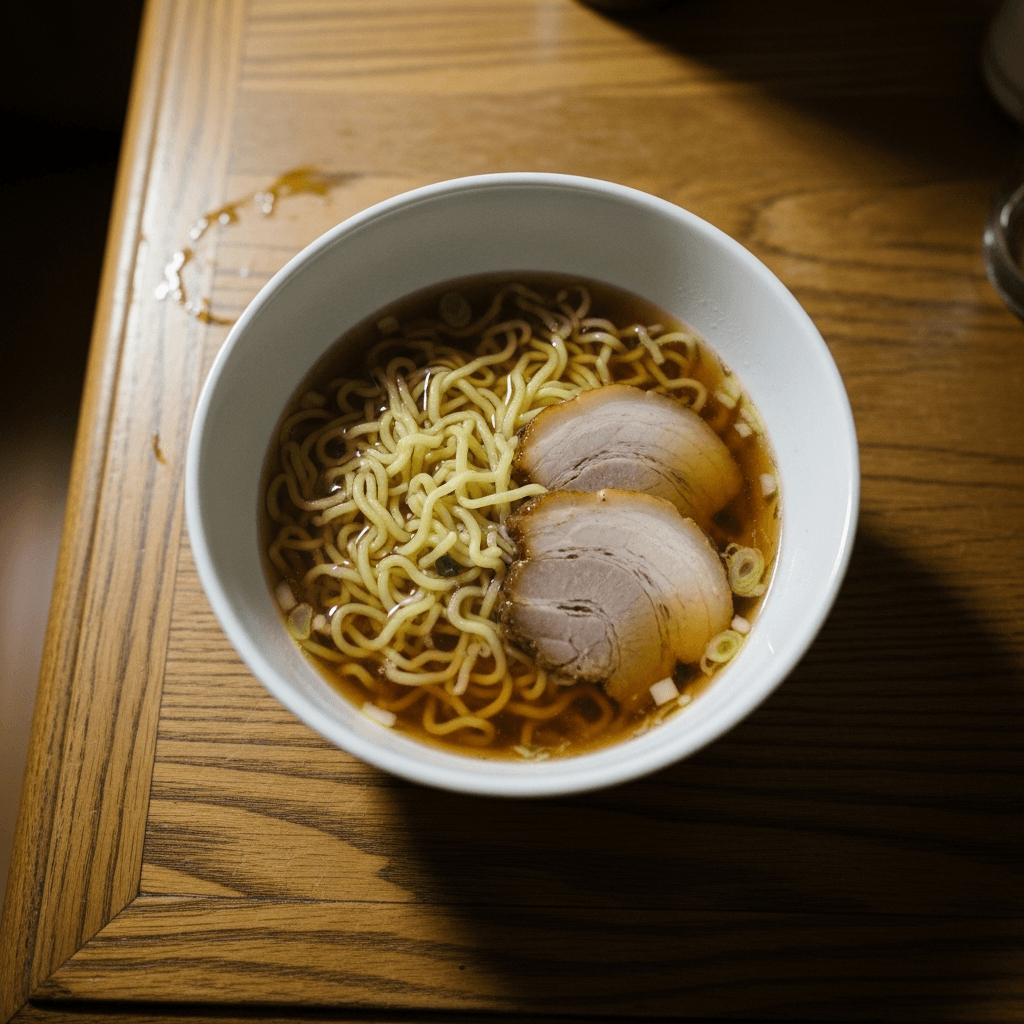
When I first learned to make shoyu ramen, it was not in a modern kitchen but by the low table in my grandmother's countryside home. She would lift the lid of a simmering pot and smile, as if each steam plume were a small prayer to the fields and sea that fed us. This recipe is a gentle homage to those afternoons. It is a balance of simple technique and patient simmering, the way Washoku teaches us to treat ingredients with respect. Shoyu ramen sings of umami. The soy seasoning, called tare, is the song, while the broth is the instrument that supports it. I like to combine chicken bones with kombu and dried shiitake for a clear, savory broth that carries the soy with a light, rounded backbone. Fresh green onions, a soft-boiled egg, and a sheet of nori complete the bowl. Each element has a role, and together they create harmony. Seasonality matters. In autumn I favor shiitake with deeper aroma. In spring I choose tender scallions and a lighter soy tare. The practice of shun, appreciating what is at its peak, will change the bowl more than any clever technique. Take the time to choose the freshest noodles you can find and the best soy sauce you enjoy drinking. Your palate will thank you. This is a lunch meant to be both restorative and mindful. Allow the broth to develop slowly. Pay attention to the sound of the simmer and the aroma as you add each component. Cooking ramen is a gentle meditation that rewards patience. When you sit down to eat, breathe, appreciate the color and scent, and eat with gratitude.
Total time
150 min
Servings
2
Difficulty
medium
Prep
30 min
Cook
120 min
Market list
Ingredients
Method
Instructions
Prepare the bones and aromatics. Rinse the chicken bones briefly under cold water. Place bones in a large pot and cover with cold water. Bring slowly to a gentle simmer and skim off any scum that rises. This clarifies the broth and keeps the taste clean.
Add onion, garlic, and ginger to the pot. Lower the heat so the broth moves quietly, with small bubbles. A calm simmer extracts flavor without clouding the stock. Simmer for 60 to 90 minutes. Listen for the soft whisper of simmering when the broth is steady.
In the last 20 minutes of simmering, add kombu and dried shiitake. If you prefer a lighter sea aroma, add kombu for only 10 minutes and remove before the broth returns to a simmer. The aroma will deepen and become pleasantly layered.
Strain the broth through a fine sieve into a clean pot. Discard solids gently. You should have a clear, amber liquid with a savory fragrance. Keep it warm on the lowest heat setting while you prepare tare and toppings.
Make the shoyu tare. In a small saucepan combine soy sauce, mirin, sake, and sugar. Warm gently until sugar dissolves. Taste and adjust salt. The tare should be slightly stronger than you want the final bowl because it will be diluted by the broth. Stir with intention and set aside.
If making chashu, roll the pork belly and tie with kitchen twine. Sear the pork until golden on all sides, then braise in a mixture of soy, mirin, sake, water, and a little sugar for 45 to 60 minutes until tender. The aroma will deepen as the meat softens. Slice thinly when cool.
Prepare ajitsuke tamago. Bring water to a gentle boil, lower eggs in carefully, and simmer for 6 minutes for a creamy yolk. Immediately transfer eggs to iced water to stop cooking. Peel and marinate in a mixture of equal parts soy and water with a splash of mirin for at least 1 hour.
Cook the noodles. Bring a pot of water to a rolling boil. Add noodles and cook according to package instructions, usually 60 to 90 seconds for fresh noodles. Stir gently so they do not stick. Taste one noodle. It should be tender yet with a springy bite, we call this al dente.
Heat bowls by pouring in a little boiling water then discarding. Spoon 1.5 to 2 tablespoons of tare into each warm bowl. Ladle 350 to 400 ml of hot broth into each bowl and taste. Adjust by adding a touch more tare if you prefer a stronger soy note.
Place drained noodles into the bowls. Arrange sliced chashu, marinated egg halved, menma, green onions, and a sheet of nori with care. Finish with a few drops of sesame oil and a tiny pinch of white pepper. Observe the balance of color and texture before serving.
Serve immediately. Encourage your guests or yourself to lift the nori and breathe in the aroma, then taste the broth first. Savor slowly. Ramen's layers reveal themselves over the first few spoonfuls.
Kitchen whispers
- ✦Hiro's Notes on Harmony: Use small, patient simmers. A vigorous boil breaks the broth and hurts clarity. We seek clarity and depth.
- ✦Hiro's Notes on Harmony: Taste as you go, especially the tare. It is concentrated seasoning. Adjust little by little so the balance remains calm.
- ✦Hiro's Notes on Harmony: Noodles are best cooked fresh. If using refrigerated noodles, separate them gently before cooking to avoid clumping.
- ✦Hiro's Notes on Harmony: Prepare toppings ahead. Marinated eggs and braised pork can be made a day before to deepen flavor and make lunchtime peaceful.
Nutritional glance (per serving)
680
Calories
38 g
Protein
72 g
Carbs
26 g
Fat
4 g
Fiber
Keizoku wa chikara nari (Continuance is power). This proverb reminds us that steady effort brings strength. You have taken time and care to coax flavors from humble ingredients. The calm simmer, the patient marinate, the careful assembly all matter. Sit quietly, taste with gratitude, and let this bowl reward your patience.
Tea letters
Comments (0)
Please to leave a note.
No letters yet—be the first.
Tags