Seasoned White Rice with Umami Essence
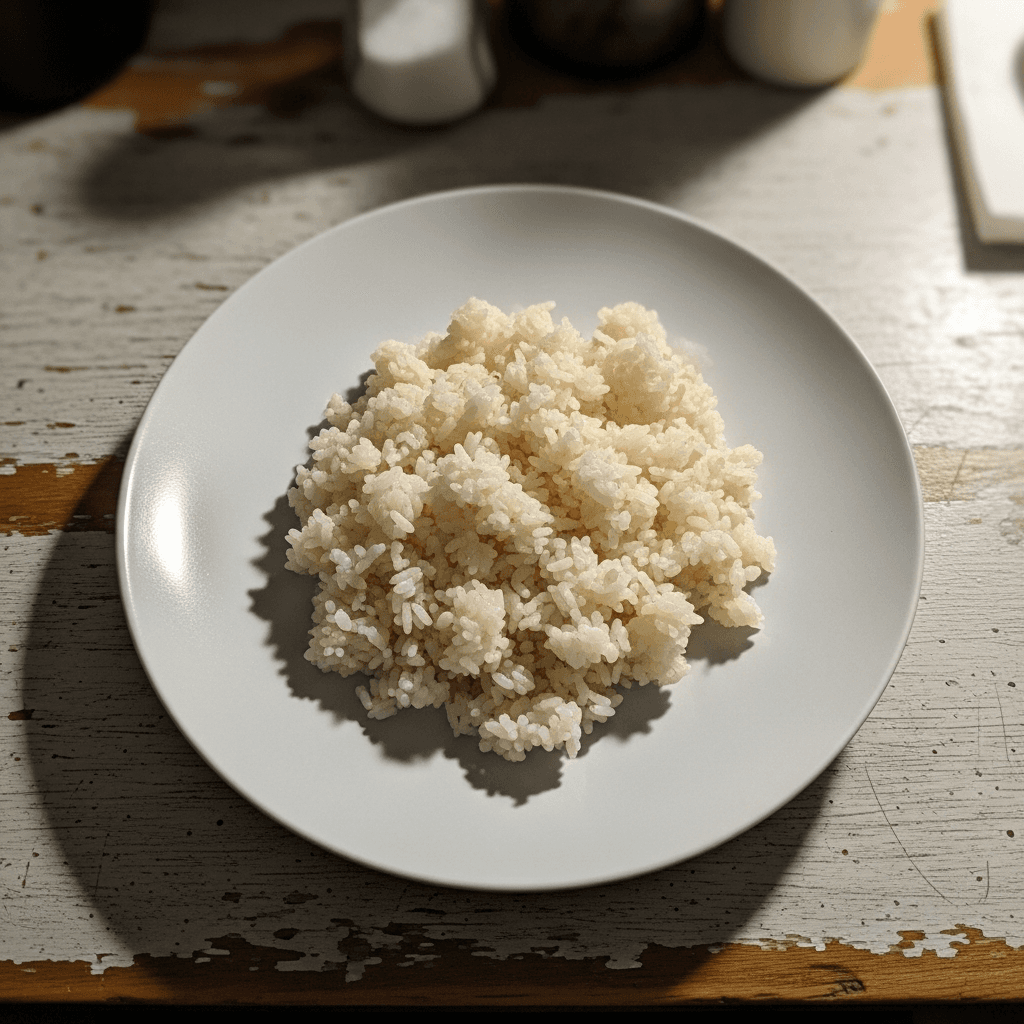
When I first learned this recipe from my grandmother in the countryside, she served it simply in a warmed donabe with a small bowl of pickles on the side. The house smelled of kombu and toasted bonito, and everyone gathered around the table with quiet gratitude. That humble meal taught me that rice need not be a blank canvas. With gentle seasoning and true umami, it becomes the heart of a lunch that nourishes both body and spirit. This seasoned white rice celebrates umami in a subtle and balanced way. We use kombu and a touch of katsuobushi to infuse the cooking liquid, then finish with a whisper of soy, mirin, and sake. The result is rice that is glossy, aromatic, and savory without overpowering. In Washoku, balance is everything. Texture, aroma, and flavor should all sing together. Cooking this dish asks for patience. Rinse the rice until the water runs clear. Soak it patiently. Steep the kombu gently. These steps honor the grain and reveal its best texture. Good flavor takes time. Treat each step as a small meditation and you will be rewarded with rice that feels like a peaceful lunch in the midst of a busy day. Serve this rice simply, with seasonal side dishes or a single grilled fish. We eat first with our eyes, then with our hands, and finally with our heart. This bowl is meant to bring calm, balance, and comfort. Take your time, breathe, and enjoy the quiet ritual of cooking and eating.
Total time
45 min
Servings
4
Difficulty
easy
Prep
15 min
Cook
30 min
Market list
Ingredients
Method
Instructions
Measure the rice and place it in a deep bowl. Rinse the rice gently with cold water. Swirl with your fingers and drain. Repeat until the water runs clear. We rinse to remove excess starch and to reveal the true texture of the grain.
After the final rinse, cover the rice with fresh cold water and let it soak for 20 minutes. Soaking allows the grains to hydrate evenly. Do not skip this step if you seek a tender, cohesive bite.
While the rice soaks, prepare a light dashi. In a small saucepan combine the measured cooking water and the kombu. Warm slowly over low heat until small bubbles appear at the edge. Remove the kombu just before the water barely reaches a simmer. This gentle extraction keeps the kombu clean and clear in flavor.
Add the katsuobushi and bring to a gentle simmer for 30 seconds. Turn off the heat and let the flakes sink for a few minutes. Strain the liquid through a fine sieve or cloth. You now have a clear umami dashi to cook the rice.
Combine the soaked and drained rice with the warm dashi in your rice cooker or a heavy pot. Add soy sauce, mirin, sake, and a small pinch of salt. Stir once gently to distribute. We season the cooking liquid so the rice absorbs flavor from the inside out.
Cook the rice according to your rice cooker instructions, or bring the pot to a gentle boil, then reduce to the lowest simmer and cover tightly. Cook for 12 to 14 minutes, then turn off the heat and let the rice rest, covered, for 10 minutes. Listen for a soft settling sound as steam finishes the cooking.
Remove the lid and let the aroma rise. The rice should be glossy and each grain distinct yet tender. Drizzle the sesame oil over the rice and use a wooden paddle to fold and fluff with a light cutting motion. We slice through the rice to keep the grains intact.
Serve the rice in warmed bowls. Garnish with green onion, toasted sesame seeds, and a small sprinkle of extra katsuobushi. Pause for a moment before eating. This is the breath between preparation and gratitude.
Kitchen whispers
- ✦Hiro's Notes on Harmony: Rinse until clear. Clear water means the rice will have clean flavor and a proper texture.
- ✦Hiro's Notes on Harmony: Warm, not boiling. Remove kombu before a full boil to avoid bitterness and maintain a gentle umami.
- ✦Hiro's Notes on Harmony: Rest the rice. Ten minutes of steam finishing creates a tender grain and fuller aroma.
- ✦Hiro's Notes on Harmony: Use a wooden paddle. It helps keep the rice light and prevents crushing the grains.
- ✦Hiro's Notes on Harmony: Adjust seasoning to the rice, not the other way around. Taste a small spoonful before final seasoning.
Nutritional glance (per serving)
250
Calories
4 g
Protein
56 g
Carbs
2 g
Fat
1 g
Fiber
Ichi-go ichi-e (One time, one meeting). This proverb reminds us that each meal is a unique encounter. By taking time to prepare this seasoned rice with care and attention, you honor the moment. The quiet practice of making lunch becomes a small, meaningful ceremony. Eat with gratitude and remember that the time you spent will be tasted in every gentle bite.
Tea letters
Comments (0)
Please to leave a note.
No letters yet—be the first.
Tags