Delightful Onigiri with Seasoned Seaweed
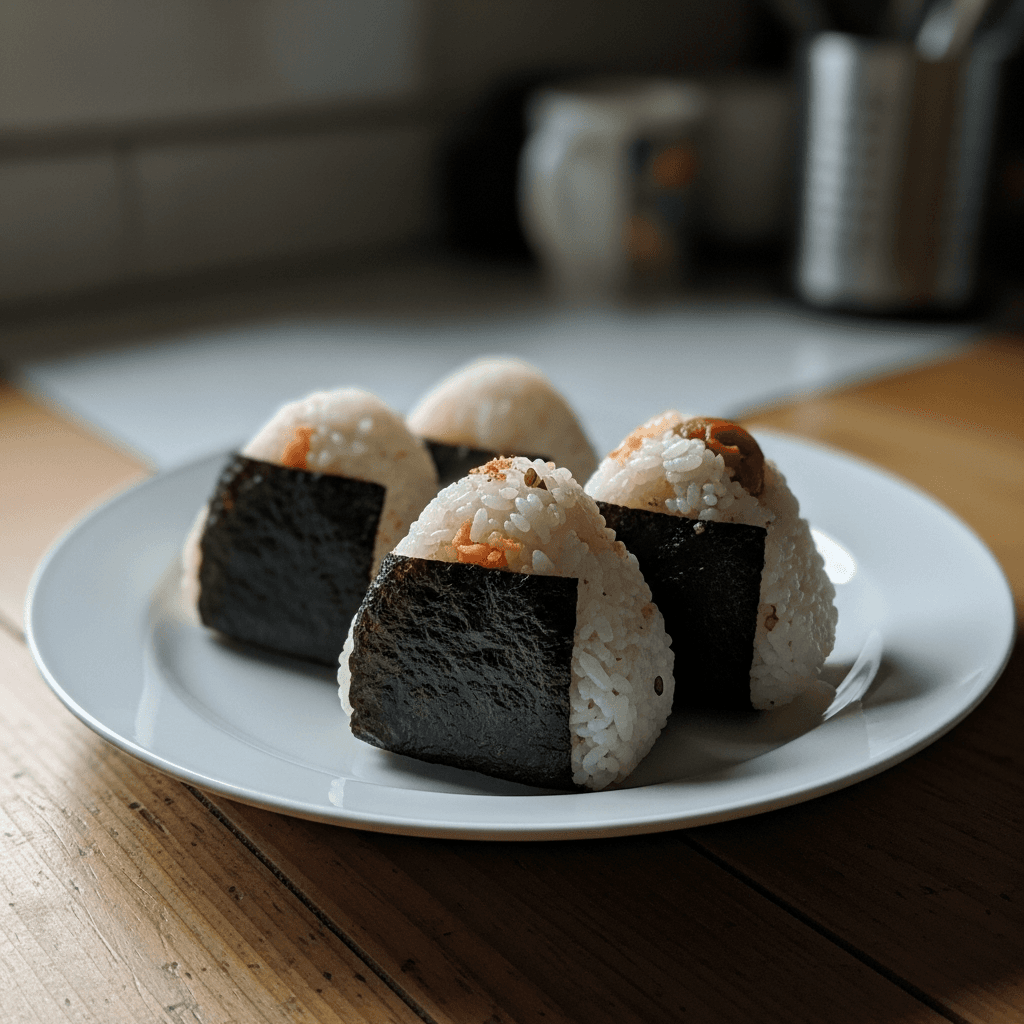
When I was a boy, my grandmother would press warm rice into my small hands and tuck a humble umeboshi into the center. We would sit by the kitchen window, watching the rice steam rise like a quiet prayer. This recipe is my gentle tribute to those afternoons. The seasoned seaweed adds a soft crunch and an umami kiss, turning a simple rice ball into a lunchtime moment of calm. Onigiri is more than food. It carries season, place, and memory. In Washoku we honor shun, the best time for each ingredient. Fresh short-grain rice, a touch of quality soy, toasted sesame, and a simple filling create harmony. The seasoning we give the seaweed is small work with big impact. It accents the rice without overwhelming it. Umami is the spirit that ties these elements together. The toasted sesame and soy in the seaweed bring savory depth. The salt on the rice highlights sweetness and texture. As you shape each onigiri, feel the temperature, the grain, and the balance between firmness and tenderness. This is a practice in attention. Prepare slowly. Good flavor takes patience. Rinse the rice until the water runs clear. Let it rest a few minutes after cooking so the steam loosens the grains. When you wrap the seasoned nori, notice the sound it makes. Cooking can be a meditation and this lunch a small celebration of nature's bounty and quiet care.
Total time
45 min
Servings
4
Difficulty
easy
Prep
20 min
Cook
25 min
Market list
Ingredients
Method
Instructions
Rinse the rice gently. Place the rice in a bowl and fill with cold water. Swirl with your hand, pour off the cloudy water, and repeat until the water runs nearly clear. Rinsing removes excess starch and gives clearer, separate grains.
Soak the rice briefly. After rinsing, let the rice rest in fresh water for 20 minutes at room temperature. This hydrates the grains evenly. Good timing here makes for tender, glossy rice.
Cook the rice with care. Drain the soaked rice, place in your rice cooker or pot with 2.2 cup(s) water. If using a pot, bring to a gentle simmer, cover, and cook on low for 12 to 15 minutes. Listen for a soft, steady bubbling rather than a roar.
Let the rice rest. Turn off the heat and leave the lid on for 10 minutes. The steam will finish the cooking and the grains will settle. This is an important quiet moment for texture to develop.
Season the rice. Transfer the rice to a large bowl. Drizzle sesame oil and sprinkle one pinch of salt over the rice. With a wooden paddle or spatula, fold the rice gently from the edges inward. We do not mash. Taste a small grain. It should be warm, slightly sweet, and subtly seasoned.
Prepare the seasoned seaweed. In a small bowl combine toasted sesame seeds, soy sauce, mirin, and sugar. Stir until sugar dissolves. Lightly brush this mixture over both sides of each nori sheet, or sprinkle the sesame-soy mixture on toasted nori to create a shio-nori like flavor. The aroma should be toasted and savory.
Prepare fillings. If using umeboshi, remove the pit and lightly chop or leave whole for a bright center. If using tuna mayo, combine drained tuna with mayonnaise and a tiny pinch of soy. Taste for balance. Fillings should be concentrated in flavor; they are the heart of the onigiri.
Wet and salt your hands. Fill a small bowl with water and keep a small dish of salt nearby. Wet your palms so the rice will not stick. Sprinkle a pinch of salt on your hands as you form each onigiri. This seasons the exterior and preserves balance.
Form the onigiri. Scoop about 1/2 cup of warm rice into your hand, press gently to create a well in the center, place a small portion of filling, and cover with a little more rice. Press gently into a triangle or oval. The motion is between firmness and tenderness. You should feel the rice hold shape while still yielding to touch.
Wrap with seasoned seaweed. Place a strip or a full sheet of your seasoned nori around the onigiri. The seaweed should crack softly and smell toasted. If the nori is too moist it will soften quickly. For a crisp texture, wrap just before serving.
Finish and present. Arrange the onigiri on a plate with pickled ginger and a light sprinkle of black sesame seeds. Notice the balance of color and form. We eat first with our eyes, then with gratitude.
Store with care. If packing for later, wrap each onigiri in plastic or wax paper and keep the nori separate until just before eating to preserve crispness. When reheating, warm gently so the rice does not dry out.
Kitchen whispers
- ✦Hiro's Notes on Harmony: Rinse rice until the water runs nearly clear. This patience rewards you with cleaner flavor and better texture.
- ✦Hiro's Notes on Harmony: Wet your hands before shaping and use a gentle, steady pressure. Too tight and the rice loses its tenderness.
- ✦Technique and Tradition: Toast sesame seeds lightly until fragrant. The aroma adds depth and a warm umami note to the seaweed.
- ✦Technique and Tradition: Keep seasoned nori separate until serving if you want crispness. If you prefer a softer wrap, let it rest briefly with the rice.
- ✦Hiro's Notes on Harmony: Taste and adjust small things. A tiny pinch of salt on the rice exterior transforms the whole experience.
Nutritional glance (per serving)
320
Calories
9 g
Protein
54 g
Carbs
7 g
Fat
2 g
Fiber
Keizoku wa chikara nari (Continuance is power). This proverb reminds us that steady practice brings strength. Each onigiri you shape teaches your hands and your sense of balance a little more. You have taken your time and given care to simple ingredients. That attention is the true flavor of this lunch.
Tea letters
Comments (0)
Please to leave a note.
No letters yet—be the first.
Tags