Seasoned Tofu Stir-Fry with Seasonal Vegetables
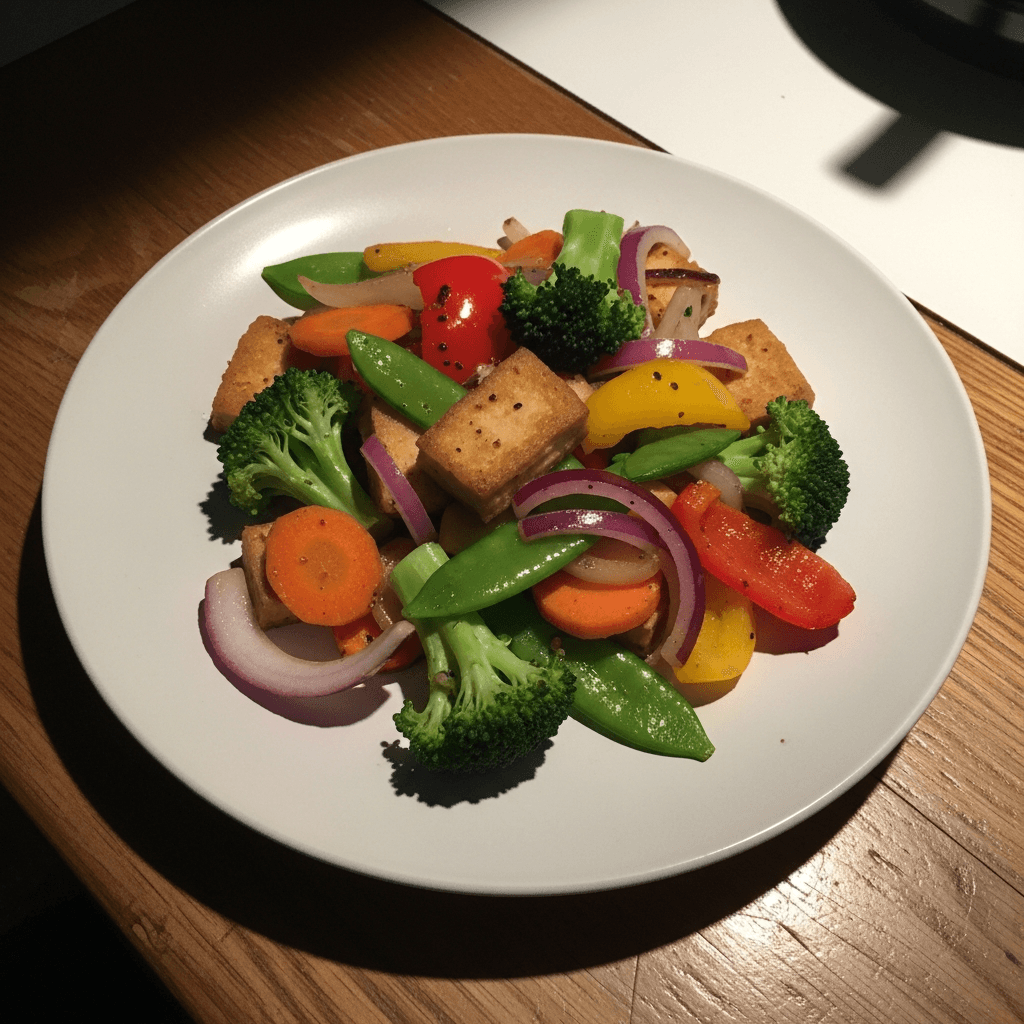
When I first made this seasoned tofu stir-fry I was preparing a simple lunch for my little nephew between his lessons. The market had just opened and the vegetables were singing of the season. I remember the gentle sun through the kitchen window, the smell of mirin warming in the pan, and the quiet gratitude that comes from transforming humble ingredients into something whole. This dish has become a family bridge between hurried days and mindful eating. In Washoku we honor shun, the seasonality of ingredients. Today you might choose spring asparagus and shiitake, summer eggplant and snap peas, or autumn daikon and kabocha. The seasoning is modest but layered with umami. Soy sauce, a touch of mirin and a kiss of dashi or stock let the natural sweetness of the vegetables and the creamy texture of tofu sing together. This is a lunch meant to restore balance. It is nourishing without being heavy and it asks you to move slowly through a few simple steps. We press the tofu to respect its texture. We slice vegetables against the grain when needed so each bite feels deliberate. Good flavor comes from care and temperature control. Do not rush the heat or you will miss the subtle aromas that tell you the dish is ready. As you cook, listen to the pan and breathe with the rhythm of the stir. The result will be satisfying on the tongue and gentle on the spirit. Serve with a bowl of warm rice or lightly dressed greens and take a moment before eating to offer thanks for the work of the hands that brought this meal together.
Total time
32 min
Servings
2
Difficulty
medium
Prep
20 min
Cook
12 min
Market list
Ingredients
Method
Instructions
Begin with the tofu. Place the block between two clean towels and press gently with a weight for 10 to 15 minutes. Pressing removes excess water so the tofu can better absorb seasoning and hold a light sear. We do this to respect the texture.
While the tofu presses, prepare your vegetables. Cut denser vegetables like carrot against the grain into thin slices for tenderness. Halve shiitake stems and slice bok choy lengthwise. Aim for similar sizes so everything cooks evenly.
Cut the pressed tofu into 2 cm cubes. Lightly toss the cubes with the cornstarch. The cornstarch creates a thin, gentle crust that will hold seasoning and provide a pleasant bite.
Mix the seasoning: combine soy sauce, mirin, dashi or stock, and sake if using in a small bowl. Taste with a mindful spoon. The balance should be salty and slightly sweet with a clear umami note. Adjust gently.
Heat a large nonstick or cast iron skillet over medium heat. Add the vegetable oil and warm until it shimmers. We are looking for a steady heat, not smoke. When a sliver of garlic sizzles gently the oil is ready.
Add the tofu cubes in a single layer. Let them sit without moving for 2 to 3 minutes until the bottoms are golden. Listen for a slow, even sizzle. Turn the cubes and brown the other sides. Remove tofu and set aside on a plate.
Add a touch more oil if the pan is dry. Add the sliced onion and garlic. Sauté on medium heat until the onion becomes translucent and fragrant. The aroma should deepen and feel warm but not burnt.
Add firmer vegetables next, such as carrots or shiitake. Stir with intention and a wooden spatula. After 1 to 2 minutes add the quicker-cooking greens like bok choy or snap peas. Keep the movement gentle to preserve texture.
Return the tofu to the pan. Pour the seasoning mixture evenly around the pan so it can warm and mingle with the oil. Tilt the pan slightly to heat the liquid and let it kiss the ingredients. The sound will change to a softer simmer.
Toss gently and taste. If the mixture seems thin, cook a little longer until the sauce lightly glazes the tofu and vegetables. Finish with a small drizzle of sesame oil and adjust salt and pepper to your preference.
Turn off the heat and let the pan rest for a minute. Transfer to a shallow bowl or plate arranged with balance in mind. Garnish with sliced scallions and a sprinkle of toasted sesame seeds. Pause to breathe and give thanks.
Kitchen whispers
- ✦Hiro's Notes on Harmony: Press tofu patiently. A slow, steady press yields firmer texture and better flavor absorption.
- ✦Hiro's Notes on Harmony: Cook vegetables in order of density. Start with the hardest first and add delicate greens last to preserve color and crunch.
- ✦Hiro's Notes on Harmony: Use the pan's sound as a guide. A steady, gentle sizzle means the heat is right. If it spits loudly the pan is too hot.
- ✦Hiro's Notes on Harmony: Taste as you go. Adjust the balance with a drop of mirin for sweetness or a touch more soy for umami. Small changes create harmony.
- ✦Hiro's Notes on Harmony: Presentation matters. Arrange colors and shapes so each bowl feels balanced and inviting. We eat with our eyes first.
Nutritional glance (per serving)
420
Calories
22 g
Protein
30 g
Carbs
22 g
Fat
6 g
Fiber
Ishinoue ni mo sannen (Three years on a stone). This proverb teaches us that perseverance and patience bring success. You took time to press the tofu, to mind the heat, and to honor seasonal vegetables. Those small, patient efforts have shaped a lunch that nourishes both body and spirit. Sit, breathe, and enjoy each mindful bite.
Tea letters
Comments (0)
Please to leave a note.
No letters yet—be the first.
Tags