Delicate Matcha Green Tea Sweets
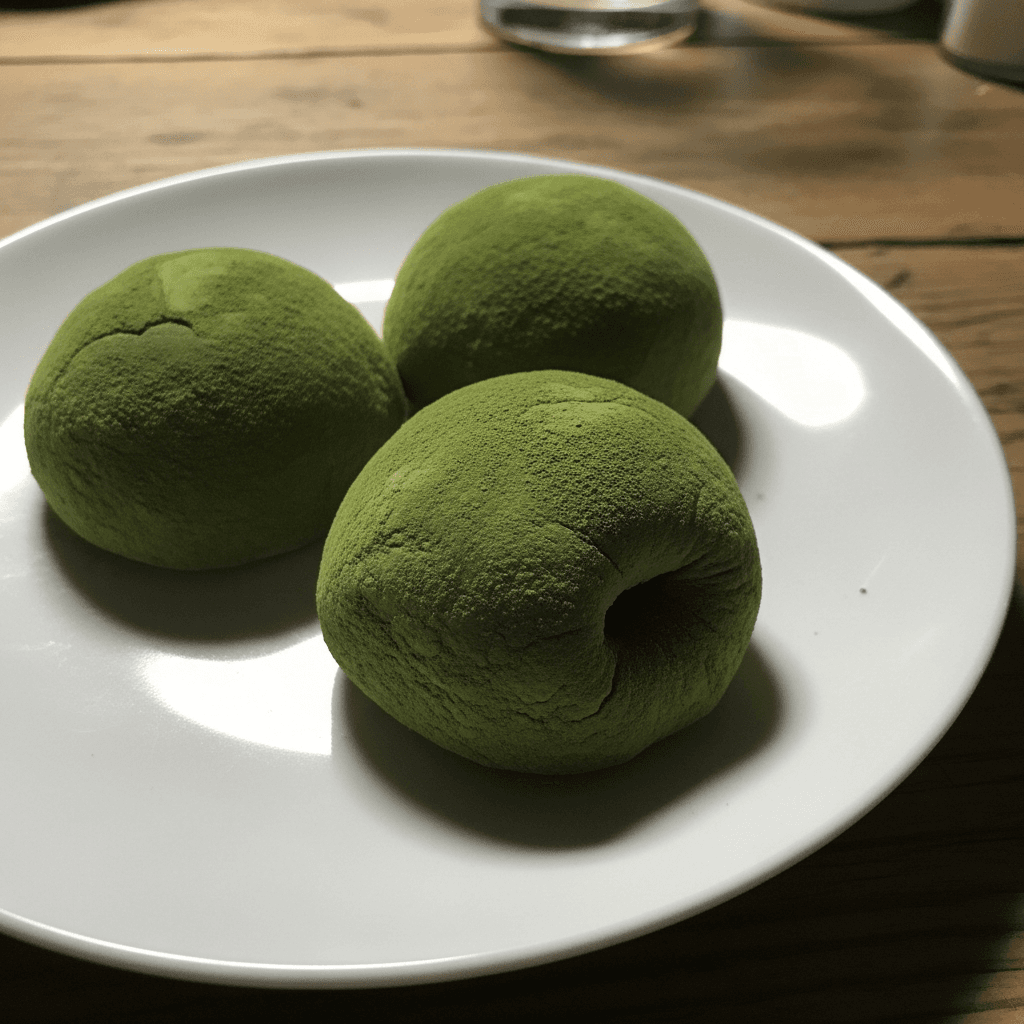
When I first made these delicate matcha sweets I was thinking of a quiet afternoon in Kyoto, sitting beneath a maple tree while the light turned soft and amber. My grandmother would bring out a small lacquer tray with a chilled green tea confection and a tiny cup of sencha. The memory of that gentle balance of bitter, sweet, and cool led me to design this dessert for our family: a silky matcha panna cotta, soft shiratama dango, and a small spoonful of sweet azuki to anchor the flavor. Matcha is the soul here. Its fine bitterness and vegetal aroma bring a kind of savory brightness even in a sweet dish. In Washoku we speak of balance and the meeting of seasons. This dessert respects that spirit. The panna cotta is light and creamy, carrying the matcha's color and fragrance. The shiratama provide a soft, chewy contrast and the anko brings warm, rounded sweetness. Together the textures form a small ecosystem on the plate. There is also a lesson in patience. We bloom the matcha carefully so it does not clump. We bloom gelatin so the panna cotta sets with a delicate wobble, not a rubbery firmness. We boil the shiratama gently until they float and rest them in cold water to lock their spring. These small rituals are not chores. They are the practice of appreciating ingredients and time. Please, slow down as you cook. Notice the bright steam from warmed cream, the fine green powder that smells like damp leaves after rain, the soft pop as a dumpling yields to your teeth. This is more than a dessert. It is a moment to give thanks for the season and to eat with awareness.
Total time
45 min
Servings
4
Difficulty
medium
Prep
30 min
Cook
15 min
Market list
Ingredients
Method
Instructions
Bloom the gelatin. Sprinkle the powdered gelatin evenly over the 30 ml cold water in a small bowl. Let it sit while you prepare the dairy. We give the gelatin time to absorb quietly so the panna cotta will set smoothly.
Sift the matcha. Place the matcha powder in a small fine sieve and gently tap it into a heatproof bowl. Sifting removes lumps and keeps the flavor clean. Take a moment to smell the powder. It should be fresh and green.
Warm the milk and cream with sugar. In a small saucepan combine the milk, cream, and 50 g sugar over low heat. Bring to a gentle steam just before tiny bubbles form at the edge. We do not want a rapid boil. Stir slowly so the sugar dissolves and the cream warms evenly.
Temper the matcha. Take 2 tablespoons of the warm milk mixture and whisk it into the sifted matcha until smooth and free of clumps. This step lifts the matcha fragrance without creating bitter pockets.
Combine and finish. Pour the matcha-milk back into the saucepan and stir gently. Remove the pan from heat. Add the bloomed gelatin and stir until fully dissolved. Listen for the subtle change in the liquid as it becomes glossy. Add a pinch of fine salt to enhance depth.
Strain for silkiness. Pour the mixture through a fine sieve into a measuring jug or bowl. This ensures any remaining tiny particles are removed. Pour the panna cotta into 4 small serving cups or molds. Let cool at room temperature for 15 minutes.
Chill to set. Cover each cup with plastic wrap and place in the refrigerator for at least 3 hours, preferably 4. Good texture takes time. The panna cotta should wobble delicately when gently shaken.
Make the shiratama dough. In a mixing bowl, place the shiratamako and 20 g sugar. Add 75 ml water in small amounts, kneading gently until the dough is soft and just slightly tacky. If it cracks, add a teaspoon more water. The dough should feel like putty. Rest it covered for 10 minutes.
Shape and cook the dango. Pinch small pieces of dough and roll into 12 even balls. Bring a pot of water to a gentle boil. Drop the dango in and stir gently so they do not stick. When they float, cook 1 additional minute then remove with a slotted spoon into a bowl of cold water. This cools them and firms their spring.
Warm the kuromitsu or syrup. If using kuromitsu, warm it slightly so it pours easily. If you prefer a simple syrup, combine 40 g sugar with 60 ml water in a small pan and simmer until clear and slightly thickened. Cool slightly before using.
Assemble the plate. Spoon a small quenelle or tablespoon of anko beside each set panna cotta. Arrange three shiratama on each plate or cup. Drizzle a thin line of kuromitsu across the panna cotta and anko. Sprinkle a few toasted sesame seeds and place a mint leaf if you used it.
Serve with quiet attention. Present the sweets chilled. Encourage your guests to taste each element together so the bitterness of matcha, the chew of shiratama, and the sweetness of anko meet in harmony. Pause and breathe between bites.
Kitchen whispers
- ✦Hiro's Notes on Harmony: Use good quality matcha. Ceremonial or culinary grade matcha will change the whole character. Finer matcha gives cleaner bitterness and a brighter color.
- ✦Hiro's Notes on Texture: Bloom gelatin fully in cold water. If gelatin is not dissolved completely the texture will be grainy. Warm but do not boil the mixture after adding gelatin.
- ✦Hiro's Notes on Dango: If shiratama dough cracks, add water one teaspoon at a time. The right texture is soft but resilient. Resting the dough helps it hydrate evenly.
- ✦Hiro's Notes on Presentation: We eat with our eyes first. Place the anko and dango with balance in mind, leaving negative space so the green of the panna cotta can be admired.
- ✦Hiro's Notes on Balance: A small pinch of salt in the panna cotta will lift the matcha flavor. Sweetness and bitterness are partners when measured gently.
Nutritional glance (per serving)
320
Calories
5 g
Protein
38 g
Carbs
16 g
Fat
2 g
Fiber
Nanakorobi yaoki (Fall seven times, get up eight). This proverb reminds us that gentle persistence and patience bring mastery. You have practiced small rituals, from sifting matcha to resting the panna cotta, and that care is present in every spoonful. Take a quiet moment to taste the balance you have created, and know that time and attention are part of the recipe.
Tea letters
Comments (0)
Please to leave a note.
No letters yet—be the first.
Tags