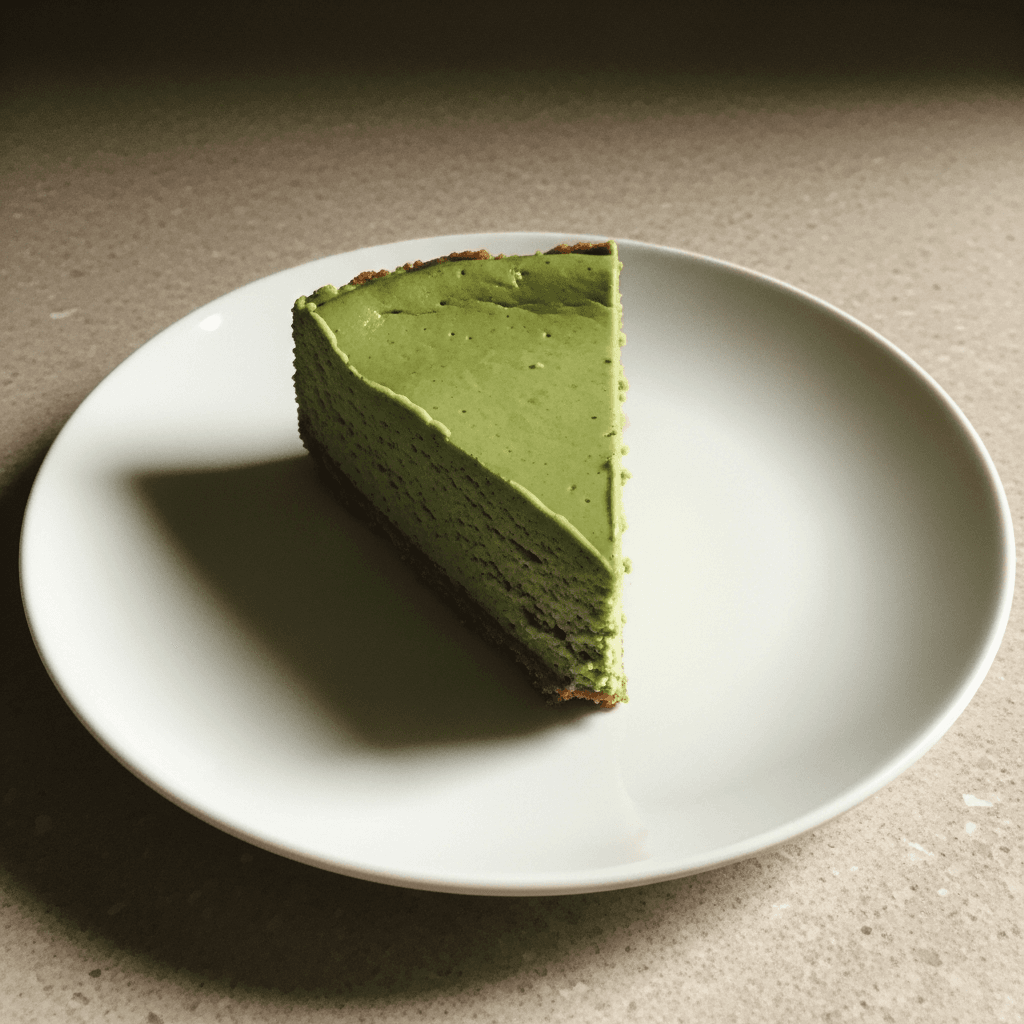
Delicate Matcha Green Tea Cheesecake
When I first made this delicate matcha cheesecake, it was for hanami beneath a row of soft cherry blossoms. My family gathered on a simple blue sheet, and I carried the cake wrapped carefully in cloth. The green of the cake mirrored the young leaves and the quiet joy of spring. Each small slice felt like a respectful bow to the season. This cheesecake blends the Western comfort of cream cheese with the subtle bitterness and perfume of good matcha. Matcha brings umami and vegetal sweetness that lifts the rich cream. We aim for harmony: a tender, slightly mousse-like interior, a gentle lift of matcha scent, and a crumbly base that gives way softly. The flavor is contemplative rather than loud. In Washoku we celebrate shun, the seasonality of ingredients. Choose matcha in its season or opt for a ceremonial-grade powder when you want a clean, aromatic profile. We also seek balance of textures and temperature. Good dessert is a meditation: measure, sift, and taste with patience. Let the matcha bloom, let the cheesecake rest. Please slow down as you work. Sift the matcha, feel the batter change from grainy to silk, listen for the oven breathing as the water bath steams. Cooking is our way of showing gratitude to nature. If you follow these quiet steps, the cake will carry that care into every bite.
Total time
100 min
Servings
8
Difficulty
medium
Prep
40 min
Cook
60 min
Market list
Ingredients
Method
Instructions
Preheat the oven to 150°C. Prepare an 8-inch (20 cm) springform pan by lining the bottom with parchment paper. Lightly butter the sides. Wrap the outside base with two layers of heavy-duty foil so water cannot enter during the water bath.
Make the crust. Combine the crushed biscuits and granulated sugar in a bowl. Pour the melted butter and fold gently until the crumbs hold together when pressed. Press the mixture evenly into the bottom of the prepared pan, creating a compact, level base. Chill in the refrigerator while you prepare the filling. A firm crust will support the delicate filling.
Sift the matcha together with the cornstarch into a small bowl. Sifting is a quiet act of respect; it prevents lumps and helps the matcha bloom evenly in the batter. Set aside.
In a wide bowl, beat the room-temperature cream cheese with a spatula or low-speed mixer until smooth and almost silky. We work gently, removing any cold lumps. Add the sugar and continue to mix until light. The texture should be creamy and slightly glossy; smell for the mild tang of cheese.
Add the eggs one at a time, mixing each just until combined. Do not overbeat. Fold in the sifted matcha and cornstarch mixture in two additions so the green color disperses evenly. You will see the batter take on a calm, pale green sheen and a quiet vegetal aroma will rise.
Pour in the heavy cream, sour cream, lemon juice, vanilla, and a pinch of salt. Fold with a spatula until the batter is homogeneous and slightly pourable. Taste a small amount; the matcha should be present but balanced by cream and a whisper of citrus.
Pour the filling over the chilled crust and smooth the top with a spatula. Tap the pan gently on the counter to release any large air bubbles. Place the foil-wrapped pan into a deep roasting pan. Carefully pour hot water into the roasting pan until it reaches halfway up the sides of the springform. The water bath will give the cheesecake a tender, even texture.
Bake for 50 to 60 minutes. We are looking for a set edge and a center that still has a slight, slow-moving jiggle when you move the pan. The aroma in the kitchen will be a soft, vegetal warmth from the matcha and a comforting dairy sweetness. Do not rush; gentle heat makes gentle texture.
When baking is complete, turn off the oven and crack the door open. Let the cheesecake rest inside for 45 to 60 minutes so it cools slowly. This reduces cracking and keeps the surface smooth. Then remove from the water bath and let it cool to room temperature on a rack.
Chill the cheesecake uncovered in the refrigerator for at least 6 hours, preferably overnight. Rest is essential. The flavors settle and the texture becomes tender and sliceable. Before serving, run a thin knife around the pan and release the springform.
To serve, lightly dust the top with sifted matcha or brush small swirls of lightly sweetened whipped cream. Garnish with a small spoon of azuki or an edible blossom. Slice with a hot, dry knife. Warm the blade under hot water, dry it, and cut in long, deliberate strokes for clean edges.
Kitchen whispers
- ✦Hiro's Notes on Harmony: Use ceremonial-grade matcha for perfume and clean bitterness. Cooking-grade matcha can be stronger and slightly grainy.
- ✦Technique and Tradition: Room temperature ingredients combine more gently. Cold cream cheese can create lumps; patience in softening is more efficient than overworking the batter.
- ✦Hiro's Notes on Harmony: The water bath keeps heat gentle. Fill the roasting pan with hot water once the pan is placed, not before, to avoid sudden temperature changes.
- ✦Technique and Tradition: Sifting matcha and cornstarch together prevents green specks and ensures an even color and texture.
- ✦Hiro's Notes on Harmony: Rest the cake overnight. Flavor and texture deepen with quiet time, as in many traditional preparations.
Nutritional glance (per serving)
420
Calories
7 g
Protein
32 g
Carbs
31 g
Fat
1 g
Fiber
Monoawase: Ichigo ichie. This proverb is often translated as 'one time, one meeting.' It reminds us to be present and to treat each moment of cooking and eating as unique. You have measured, sifted, and waited. That attention made this cake more than a dessert; it is an offering of care. Sit quietly with your guests or your own tea. Taste slowly, and remember the calm you carried into the kitchen.
Tea letters
Comments (0)
Please to leave a note.
No letters yet—be the first.
Tags