Bento Box Bliss: Seasonal Delights
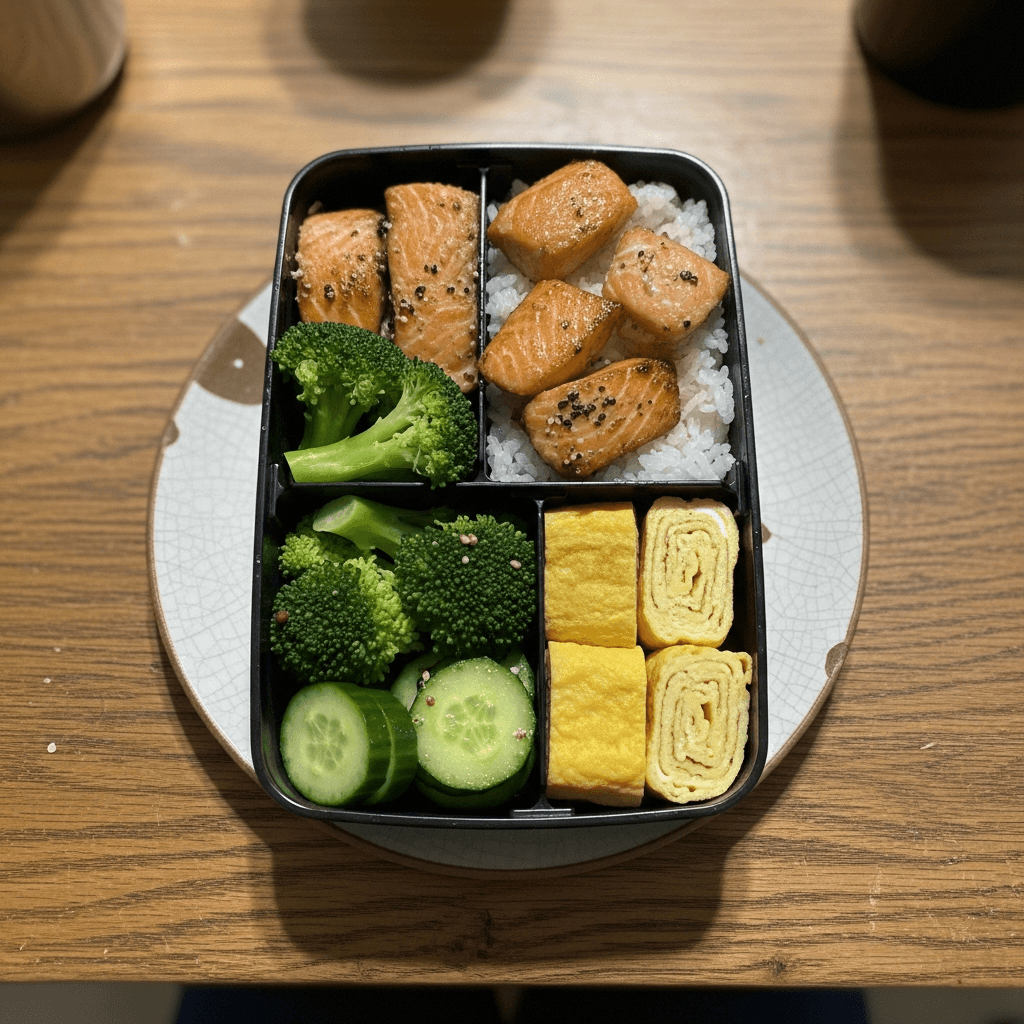
When I first made this bento for my family, it was early spring and the cherry trees were just beginning to show their pale pink. I remember packing small parcels of warm rice, a gently sweet tamagoyaki, glossy miso-glazed salmon, and a handful of brightly dressed greens. My children walked slowly down the garden path that morning, and the lunch felt like a small ceremony. Bento is a way to carry the season with you. This box celebrates shun, the Japanese reverence for seasonal ingredients. Each element is simple on its own yet tuned to harmonize in texture and umami. The miso on the fish brings a rich savory depth. The tamagoyaki offers sweet and soft layers. A sesame-dressed spinach adds a bitter, nutty counterpoint. Together they sing like instruments in a small ensemble. Cooking a bento is a mindful practice. We do not rush the rice; we wash it until the water runs clear to respect its translucence. We caramelize the fish glaze patiently so it does not burn. In each step we practice attention. That is the spirit of washoku, to honor nature through measured preparation and quiet appreciation. I invite you to slow your breath as you cook. Listen to the gentle hiss when rice is steaming. Notice how a sear changes its tone from bright to warm. Arrange each item with balance in mind. A bento is nourishment for the body and a small refuge for the eyes. Take your time and let the season guide your choices.
Total time
65 min
Servings
2
Difficulty
medium
Prep
30 min
Cook
35 min
Market list
Ingredients
Method
Instructions
Rinse the rice gently in a bowl. Use your fingers to stir and lift the grains. Drain and repeat until the water runs clear. This removes excess starch and respects the rice texture.
Combine the rinsed rice and 220 ml water in a pot with a snug lid. Bring to a gentle simmer over medium heat. When small bubbles rise and steam forms, reduce to the lowest heat and cook for 12 minutes. Do not lift the lid.
Turn off the heat and let the rice rest, covered, for 10 minutes. This finishing steam gives the rice a glossy, unified texture. Fluff with a rice paddle and keep warm.
Prepare the miso glaze for the salmon. In a small bowl mix miso, mirin, sake, and sugar until smooth. Taste one tiny smear on the back of your hand to sense the balance of sweet and savory. Adjust gently if needed.
Pat the salmon dry. Lightly score the skin side with the tip of a knife. Heat a nonstick pan over medium. Add 1 tsp oil and place the salmon skin-side down. Listen for a steady sizzle that is warm and gentle.
Sear until the skin is crisp and the cooked color moves two thirds of the way up the fillet. The sound will change to a softer, steadier tone. Turn the salmon carefully and brush the top with miso glaze.
Lower the heat and spoon the remaining glaze over the salmon as it cooks for 2 to 3 minutes. The glaze should become glossy without burning. Remove the salmon to a plate and let it rest; the aroma will deepen and settle.
For tamagoyaki, whisk the eggs with dashi, sugar, soy sauce, and a pinch of salt until just combined. Strain if you prefer an extra-smooth texture. The mixture should look silky and light.
Heat a rectangular tamagoyaki pan or small nonstick skillet over medium-low. Lightly oil the pan with a folded paper towel. Pour a thin layer of egg to coat the base and tilt to spread.
When the egg sets yet remains slightly soft on top, roll it away from you in one smooth motion. Move the roll to the far side of the pan, oil again lightly, and pour another thin layer. Repeat until all the egg is rolled into layers.
Shape the finished roll gently with the spatula or a bamboo mat while warm. Let it rest for a few minutes, then slice into 6 even pieces. The interior should be moist, layered, and tender.
Prepare the spinach goma-ae. Briefly blanch the spinach in boiling water for 30 seconds until bright and tender. Immediately transfer to iced water to stop cooking. Squeeze gently to remove excess water.
Toast sesame seeds in a dry pan until fragrant and lightly golden. Grind most of them with a mortar and pestle, leaving some whole for texture. Mix with soy sauce and sugar to form the dressing, then toss with the spinach.
Make the cucumber sunomono by thinly slicing cucumber and sprinkling with a pinch of salt. Let sit 5 minutes, then squeeze gently and combine with rice vinegar and sugar. The dressing should be bright and clean.
Warm the rice briefly if needed and portion into the bento box compartment. Press gently to create a gentle dome. Sprinkle furikake in a measured line or small mound to add umami and visual contrast.
Place the miso-glazed salmon in its compartment. If the skin is crisp, position it so the skin side is visible to show texture. The glaze should glisten and smell savory-sweet.
Arrange three tamagoyaki slices beside the salmon. Their soft yellow hue brings balance and a touch of sweetness to the box. Notice the layered pattern when you arrange them.
Nestle a small portion of spinach goma-ae and a portion of pickled cucumber into separate compartments. Use dividers or lettuce leaves if you wish to keep flavors distinct.
Add two pieces of umeboshi and a small mound of pickled ginger as palate accents. These bright, tart notes awaken the appetite and help cleanse between bites.
Close the bento and let it sit briefly if you can. A short rest lets flavors settle. When you open it later, you will find steam has softened some edges and the aromas are well blended.
Before eating, pause. Observe the colors and breathe in the harmony you created. Eat slowly and appreciate the season in each small portion.
Kitchen whispers
- ✦Hiro's Notes on Harmony: Rinse rice until the water is clear to achieve a clean sweetness and good grain separation.
- ✦Hiro's Notes on Harmony: When searing salmon, do not move it too early. Wait until the skin releases naturally for a crisp texture.
- ✦Hiro's Notes on Harmony: Roll tamagoyaki over low heat in thin layers. Patience yields soft, layered folds rather than a rubbery omelette.
- ✦Hiro's Notes on Harmony: Toast sesame seeds just before using to preserve their aroma. Grind some for sauce and leave a few whole for texture contrast.
- ✦Hiro's Notes on Harmony: Arrange the bento with balance in mind. Place colors and textures opposite each other so each bite offers contrast.
Nutritional glance (per serving)
650
Calories
32 g
Protein
75 g
Carbs
18 g
Fat
6 g
Fiber
Nana korobi ya oki (Fall seven times, stand up eight). This proverb reminds us that perseverance and steady care bring reward. You have practiced patience and attention in preparing this bento. The small acts of washing rice, tending the glaze, and rolling the omelette reflect steady effort. Now enjoy the meal you made with calm heart and clear appreciation.
Tea letters
Comments (0)
Please to leave a note.
No letters yet—be the first.
Tags