Aromatic Beef Sukiyaki with Seasonal Greens
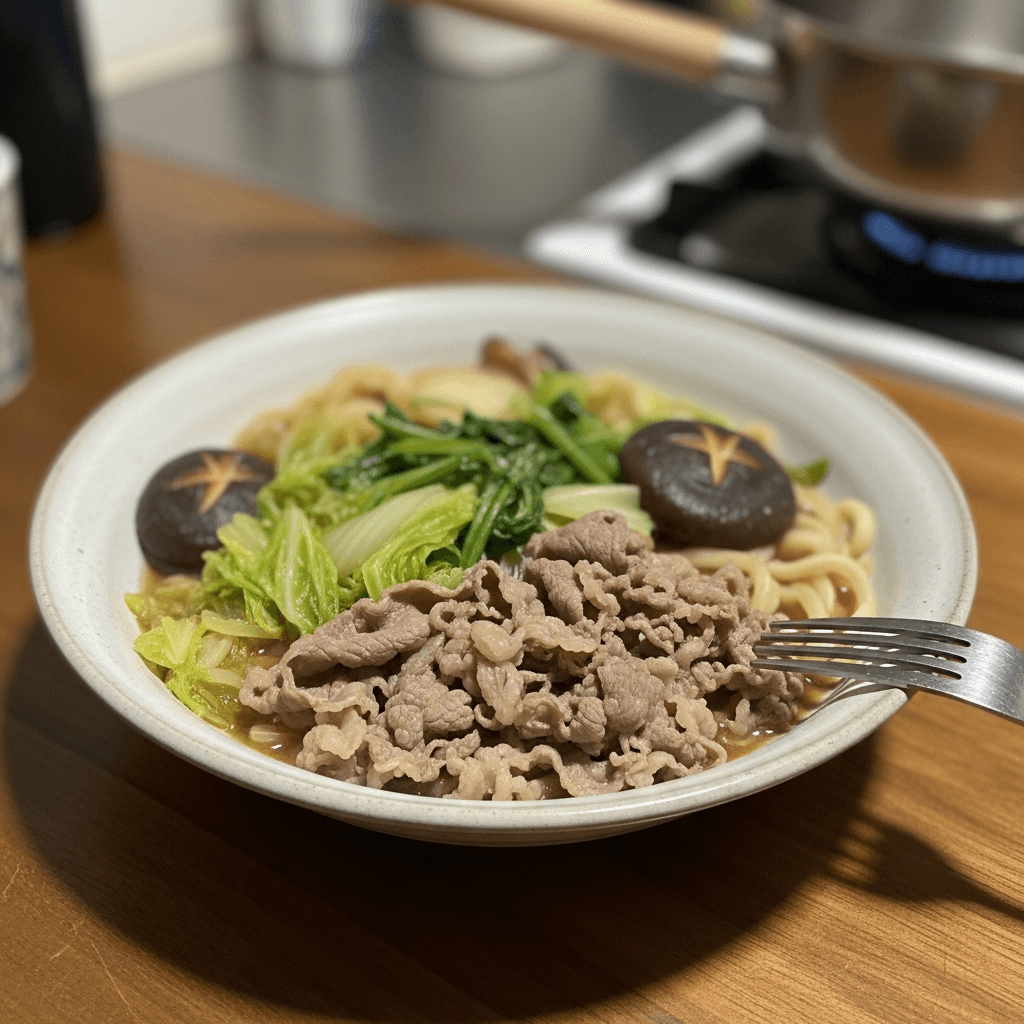
When I was a child, winter evenings in my grandparents' countryside home were lit by a low brazier and the sound of family laughter. My grandmother would bring a shallow iron pan to the center of the table and arrange thin slices of beef and bright, seasonal greens like mizuna and shungiku with the care of someone arranging flowers. The aroma of sweet soy and warm dashi would gather us like a promise. This Aromatic Beef Sukiyaki with Seasonal Greens carries that same quiet joy. Sukiyaki is a celebration of umami and balance. The dish asks for sweetness and salt in harmony, the soft texture of tofu, the silky bite of noodles, and the fresh, slightly bitter lift from seasonal greens. In Washoku we honor shun, the peak season of ingredients. Choose your greens with attention. The sweetness of autumn chrysanthemum leaves or the peppery lift of early spring mizuna will change the spirit of the bowl. This version is aromatic, heightened by a touch of ginger and sesame oil to warm the flavors without overwhelming them. We use a gentle, well-made dashi as the base so that the beef and vegetables sing rather than compete. Sukiyaki is communal by nature. Cook slowly, share the pan, and let each person appreciate the textures and the moment. Take your time. Slice against the grain to respect the texture of the beef. Heat the pan mindfully; listen for the change in the sear. Cooking is a meditation and an act of gratitude. As you prepare this dish, breathe, taste, and remember that the best flavor often arrives when we are calm and attentive.
Total time
45 min
Servings
4
Difficulty
medium
Prep
25 min
Cook
20 min
Market list
Ingredients
Method
Instructions
Prepare your mise en place. Slice beef thinly against the grain and keep it chilled on a plate. Cut tofu into 2 cm cubes, rinse and drain shirataki, trim mushrooms, and wash greens gently. Arranging ingredients calmly is the first act of respect.
Make the sauce. In a small pot combine dashi, soy sauce, mirin, sake, and sugar. Warm over medium-low heat and stir until sugar dissolves. We are seeking a gentle shimmer on the surface not a rolling boil. Taste and adjust balance; the sauce should be clearly savory with a soft sweetness.
Heat the pan. Use a shallow iron or wide skillet and warm it on medium. Add sesame oil and a light glide of sauce to coat. The oil will warm and become fragrant. Listen for the oil to change pitch as it heats; this signals readiness.
Sear a few slices of beef to season the pan. Place two or three slices, let them color briefly and then add a spoon of sauce. The aroma should deepen and the edges should curl gently. Remove and set aside. This builds flavor for the communal cooking.
Add tofu, mushrooms, carrots, and shirataki to the pan. Pour enough sauce to come half way up the ingredients so they can slowly poach and soak up umami. Cover briefly if you like to speed gentle cooking. Watch the tofu for a faint tightening of surface; this is your cue it is warmed through.
Introduce the greens and the remaining beef. Add the greens in small bundles so they wilt evenly. Lay slices of beef along the edge of the pan so they cook quickly in the simmering sauce. We move with patience; thin beef needs only a moment to tenderly release its juices.
Add grated ginger now for an aromatic lift. Taste the broth and adjust with a small splash of soy or a pinch of sugar if desired. The aroma should be layered: savory dashi, toasted sesame, and a bright note of ginger.
As people serve, offer optional raw eggs. If using, beat eggs lightly in individual bowls. Dip hot beef and vegetables briefly into the egg for a silkier mouthfeel. If you prefer not to use raw egg, a spoon of warm sauce on the side will also comfort the palate.
Maintain a gentle simmer. Replenish sauce with small amounts of dashi if the pan becomes dry. Listen for the sound of simmering to remain steady; when it becomes rapid, lower the heat. Good flavor takes time; do not rush the exchange of heat for taste.
Serve communally and mindfully. Arrange cooked ingredients in small bowls, sprinkle scallion garnish, and encourage slow bites to appreciate the contrast of textures. Share the moment and the warmth of the pan.
Kitchen whispers
- ✦Hiro's Notes on Harmony 1: To deepen umami, make a simple kombu-katsuobushi dashi and let it rest 10 minutes before straining. Good dashi is the foundation.
- ✦Hiro's Notes on Harmony 2: Slice beef against the grain and keep it very cold until the moment you cook it. Cold beef slices maintain structure and sear beautifully.
- ✦Hiro's Notes on Harmony 3: Seasonal greens should be added late so they keep texture and color. We eat with our eyes first, so bright greens are part of the flavor.
- ✦Hiro's Notes on Harmony 4: If serving raw egg, use the freshest eggs and remind guests to dip briefly. Alternatively offer a small dish of warmed sauce for dipping.
Nutritional glance (per serving)
680
Calories
48 g
Protein
42 g
Carbs
37 g
Fat
6 g
Fiber
Ishi no ue ni mo sannen (Three years on a stone). This proverb teaches us that perseverance and patience bring reward. You have taken time to prepare ingredients thoughtfully, to tend the pan gently, and to share this meal with care. In that attention the dish becomes more than food; it becomes a practice of gratitude and patience.
Tea letters
Comments (0)
Please to leave a note.
No letters yet—be the first.
Tags